

February 12, 2026

The Gulag’s horrors from the other side

Charlie Hegarty
More
No items found.
Related
Min read
share

The Diary of a Gulag Prison Guard
by Ivan Chistyakov, Granta, £14.99

The value of this diary lies in the fact that although there are numerous memoirs of Gulag prisoners, this is a rare first-person testimony of a guard.

The author, an educated Muscovite, was conscripted into the interior prison administration and sent to work for a year at the remote Far East Baikal-Amur Corrective Labour Camp in 1935. His diary, written between 1936 and 1938, was discovered when the papers of a female relative were being cleared out after her death. Chistyakov later died at the Russian Front in 1941.
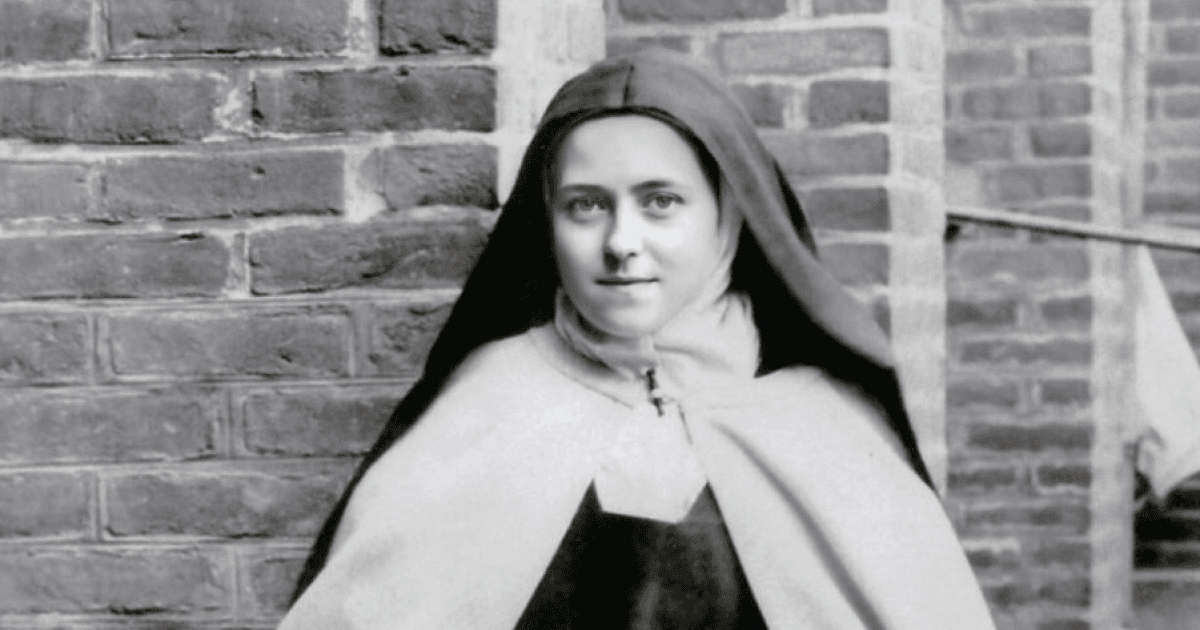

The conditions in the camp of more than 170,000 prisoners were unremittingly severe: they worked for 16 to 18 hours a day, all year round, in winter temperatures that sometimes dipped to minus 50 degrees. We don’t learn what impelled Chistyakov to keep a diary but it was probably a way of staying sane in a world that he found “nomadic, cold, disordered”. It was also a way to stave off loneliness and to give voice to an innate poetic instinct.

At minus 40 degrees the soap won’t lather; at minus 45 degrees, his ink freezes; at minus 52 degrees “the wind is searing”. The zeks (convicts) gamble away everything: “fingers, toes, hands”. Two months into his enforced exile Chistyakov still can’t believe he is “actually working in a forced labour camp”.

In desperation he toys with thoughts of suicide. Every day brings “new torments” to this nightmare existence where the armed guards find themselves as powerless as the prisoners. Attempted escapes are common and death a daily occurrence. Searching for escapees in the forest, the author finds scattered corpses and asks “Who killed them? When? Nobody has any idea.”

The diary reminds us of Stalin’s brutal system, where the mass exploitation of forced labour to fulfil his ambitions and build his dams, power stations and reservoirs was out of control. It also dehumanised the guards who had to enforce the diktats of a tyrant.

The Diary of a Gulag Prison Guard
by Ivan Chistyakov, Granta, £14.99

The value of this diary lies in the fact that although there are numerous memoirs of Gulag prisoners, this is a rare first-person testimony of a guard.

The author, an educated Muscovite, was conscripted into the interior prison administration and sent to work for a year at the remote Far East Baikal-Amur Corrective Labour Camp in 1935. His diary, written between 1936 and 1938, was discovered when the papers of a female relative were being cleared out after her death. Chistyakov later died at the Russian Front in 1941.
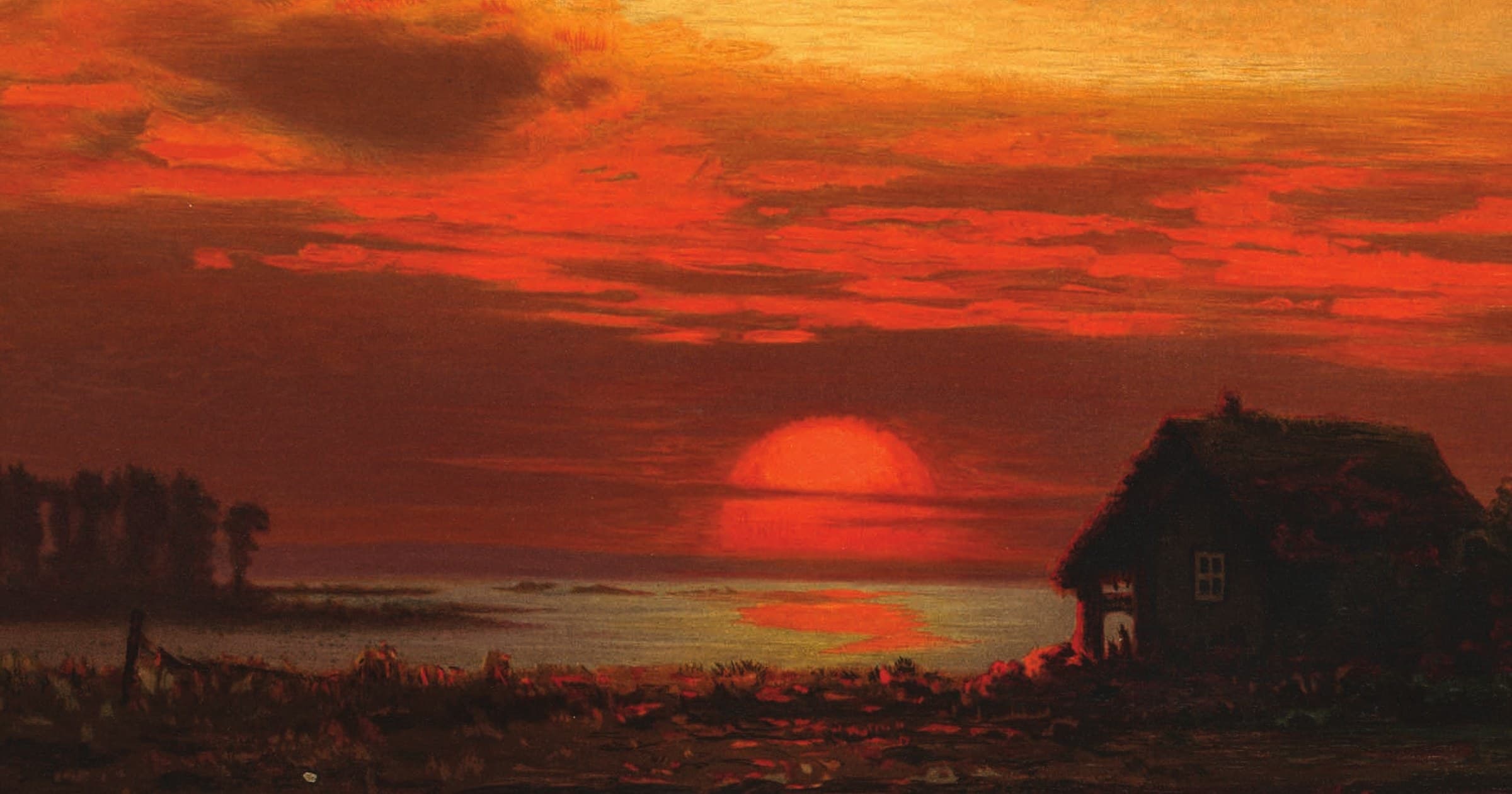
The conditions in the camp of more than 170,000 prisoners were unremittingly severe: they worked for 16 to 18 hours a day, all year round, in winter temperatures that sometimes dipped to minus 50 degrees. We don’t learn what impelled Chistyakov to keep a diary but it was probably a way of staying sane in a world that he found “nomadic, cold, disordered”. It was also a way to stave off loneliness and to give voice to an innate poetic instinct.

At minus 40 degrees the soap won’t lather; at minus 45 degrees, his ink freezes; at minus 52 degrees “the wind is searing”. The zeks (convicts) gamble away everything: “fingers, toes, hands”. Two months into his enforced exile Chistyakov still can’t believe he is “actually working in a forced labour camp”.

In desperation he toys with thoughts of suicide. Every day brings “new torments” to this nightmare existence where the armed guards find themselves as powerless as the prisoners. Attempted escapes are common and death a daily occurrence. Searching for escapees in the forest, the author finds scattered corpses and asks “Who killed them? When? Nobody has any idea.”

The diary reminds us of Stalin’s brutal system, where the mass exploitation of forced labour to fulfil his ambitions and build his dams, power stations and reservoirs was out of control. It also dehumanised the guards who had to enforce the diktats of a tyrant.

subscribe to
the catholic herald

Continue reading your article with a subscription.
Read 5 articles with our free plan.
Subscribe

subscribe to the catholic herald today

Our best content is exclusively available to our subscribers. Subscribe today and gain instant access to expert analysis, in-depth articles, and thought-provoking insights—anytime, anywhere. Don’t miss out on the conversations that matter most.
Subscribe