

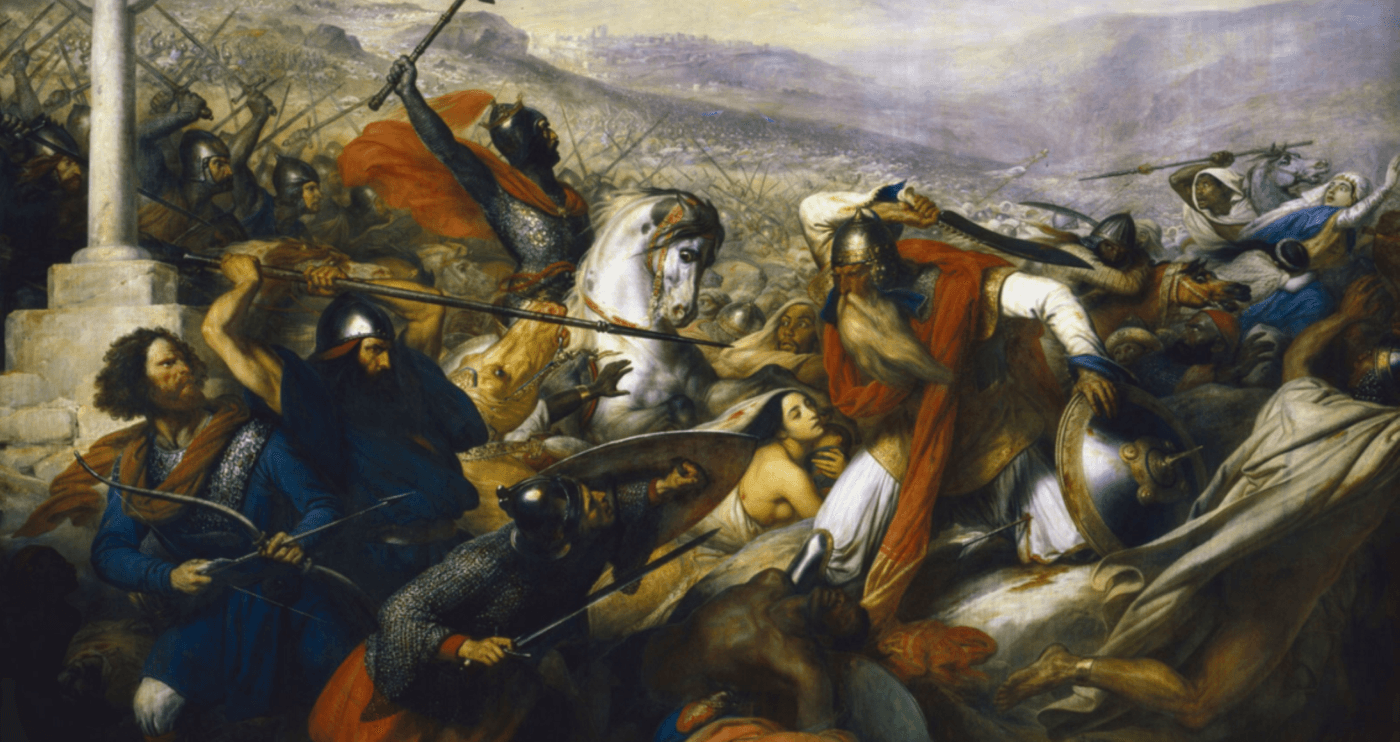
As Europe passed the poignant milestone of November 11, it could have escaped no one’s attention what inspired the project to unite the continent. A week after the centenary of the Armistice, the beleaguered French President Emmanuel Macron addressed the German Parliament, saying that Europe “must be stronger ... and win more sovereignty.” British newspapers reported Macron’s speech as calling for “more Europe”. But what, exactly, does “Europe” mean in this case? Twenty-five years since the treaty that created the European Union, is the EU an “empire”, as French finance minister Bruno Le Maire suggested recently? Is it a collection of sovereign states, as the English and Scandinavians would prefer? Or if it is sovereign itself, then on whose behalf does its sovereignty rest, since it is an empire without an emperor, and a democracy without a demos (people)? It is largely forgotten that the architects of this new Europe were almost all Catholics, and most were from the multilingual borderlands where the French and German languages meet: the Rhinelanders Walter Hallstein and Konrad Adenauer, the Luxembourgians Joseph Bech and Robert Schuman and the Belgian Paul-Henri Spaak. It was from this part of the continent where our idea of “Europe” first sprang, with one Germanic tribe in particular, the Franks. Their Latin name, Franci, comes from Frekkr, “the fierce ones”, or perhaps “brave” or “free”, and they had emerged as courageous allies (and occasionally enemies) of the Romans in the 3rd century. But as the empire collapsed the Franks came to Gaul in larger numbers, and in the 5th century their king took over the city of Lutetia, now Paris. His name was Hlodovech, “Pillaging Warrior”, but in Latin it was simplified to Clovis. Clovis had married Clotilda, who hailed from the Burgundian tribe, originally from the Baltic but now settled in the region that bears their name. She was Catholic, and while the new queen tried her utmost to convert her pagan husband, he remained attached to his old gods until 496, when he was on the point of losing a battle to the rival Alemanni. He cried out to God and was rewarded with victory, and so on Christmas Day 496, Clovis and 3,000 of his men were baptised at the Cathedral of Reims. This event changed the course of European history, joining in intimate alliance the west’s most dynamic tribe and the papacy. France would become the “eldest daughter of the Church” (though in recent centuries it has been a strained relationship). Clovis’s dynasty became known as the Merovingians, but as time went on they increasingly became figureheads. Real power shifted to a “Mayor of the Palace”, who by the 8th century was a man known to history as Charles “Martel”, or the Hammer. Charles had been born around 689 at the castle of Herstal, today on the border of Belgium’s French- and German-speaking regions. As leader, he spent three and a half decades continuously fighting neighbouring tribes, although his most influential legacy was a victory against a far greater foe.
2:30 PM
The hammer that laid Europe’s foundations
as europe passed the poignant milestone of november 11, it could have escaped no one’s attention what inspired the project to unite the cont...
Ed West

6 min read



Already a subscriber? Sign in
5freearticles every month
Continue reading with a free account. No card needed.
- Five free articles every thirty days, on any device you sign in on
- The Catholic Herald newsletter, every morning
- Subscribe whenever you like for everything: every article and the magazine
Related articles
 Newsroom
Displaced Lebanese Christians hope olive harvest will pave way home
Around 100 people are ready to return to the southern Lebanese village, where residents say access to their olive groves could help restore hope to the community
Nathalie Raffray Newsroom
Victoria reports death after partner took unused assisted dying drugs
The Catholic Herald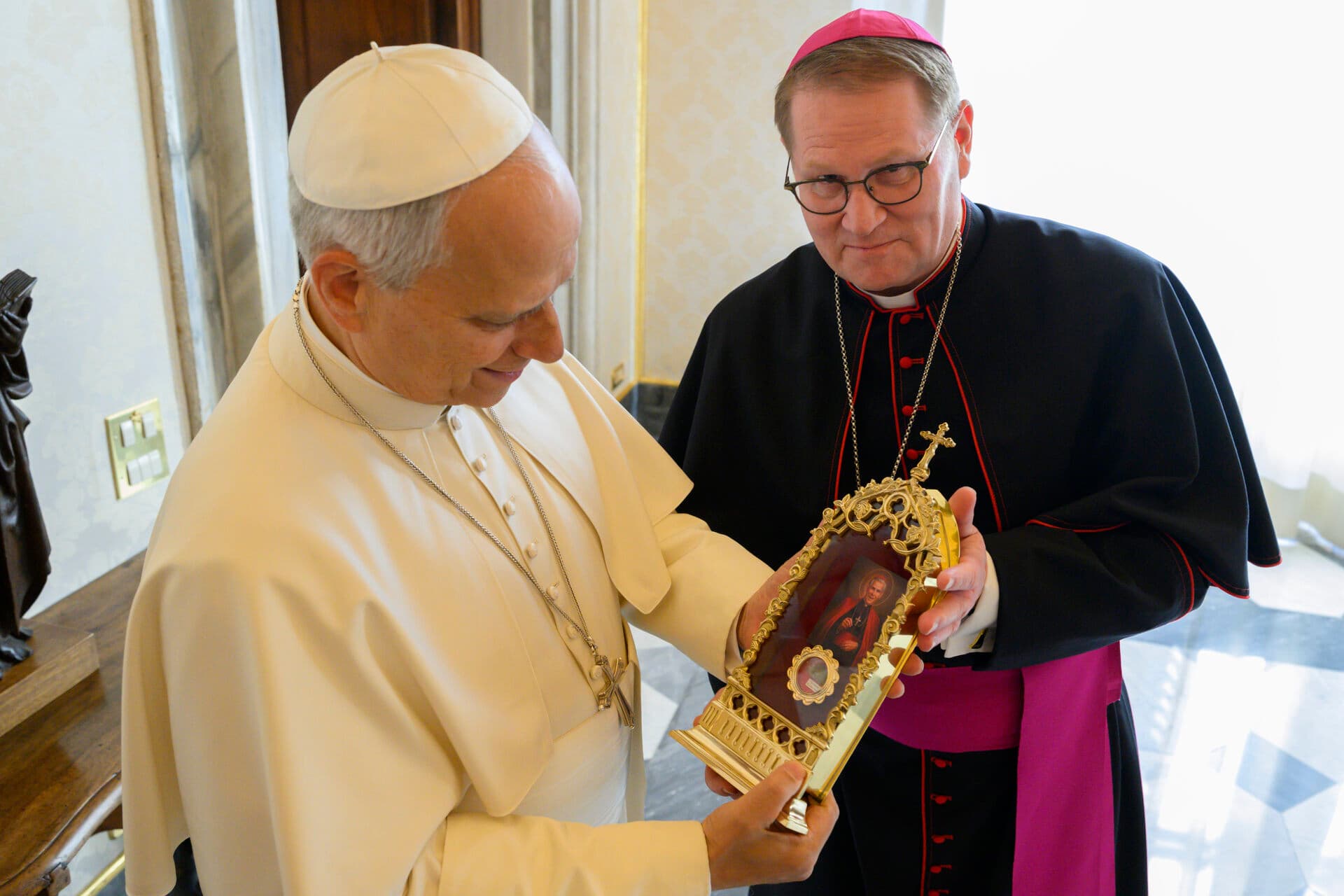 Newsroom
Bishop of Peoria presents Sheen relic to Pope Leo XIV
Christine Rousselle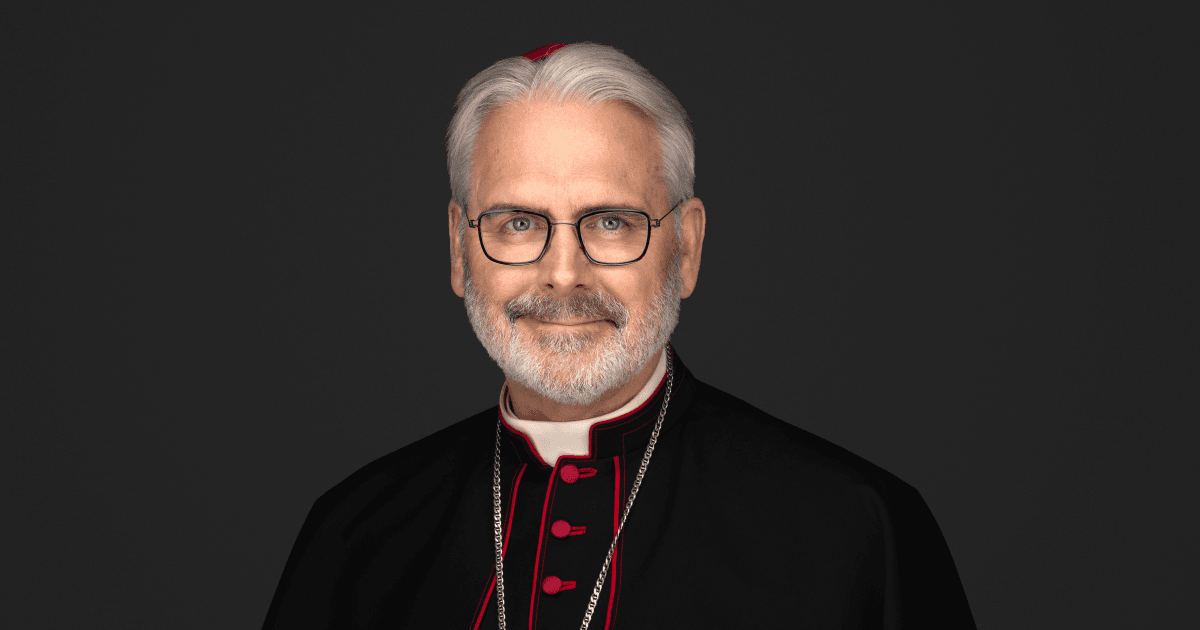 Newsroom
USCCB president calls planned livestream of execution ‘barbaric’
Christine Rousselle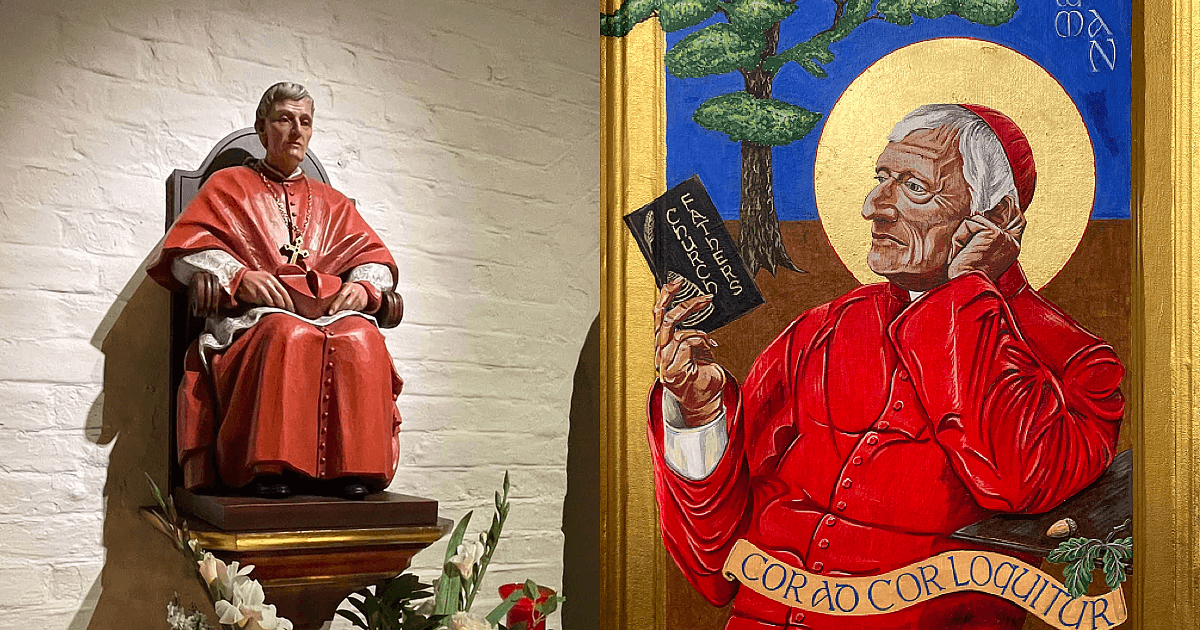 Newsroom
Ordinariate honours Newman with new statue and icon
The Catholic Herald
subscribe to the catholic herald today
Our best content is exclusively available to our subscribers. Subscribe today and gain instant access to expert analysis, in-depth articles, and thought-provoking insights—anytime, anywhere. Don’t miss out on the conversations that matter most.
Subscribe



