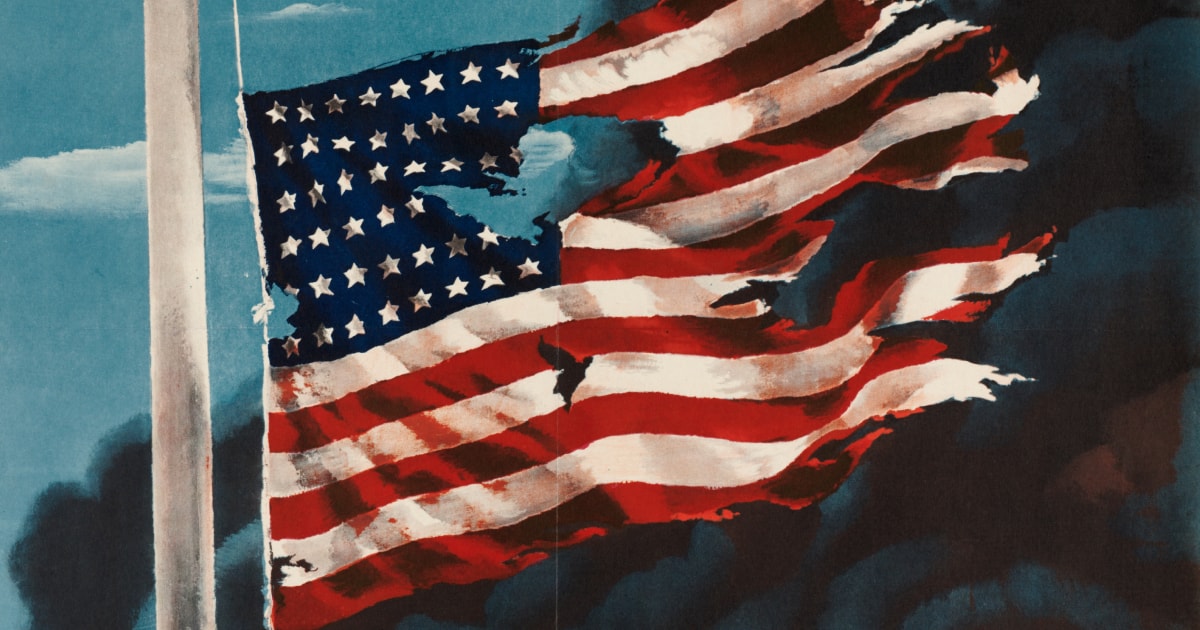

On the verge of the American Civil War, March 4, 1861, newly elected US President Abraham Lincoln gave his First Inaugural Address, the predominant concern of which was the fracturing of the Union of the several states over the issue of slavery. Lincoln neared the end of the address with words that were more hopeful and hortatory than factual. ‘We are not enemies, but friends,’ he asserted. ‘We must not be enemies. Though passion may have strained, it must not break our bonds of affection.’ Events in Minnesota and other states demonstrate that Lincoln’s words are no less urgent – and perhaps no more hopeful – in 2026 than they were in 1861.
When he gave the address, the bonds of affection uniting the country had already frayed to the point of severance. South Carolina had seceded in December 1860, with six other southern states following before the inauguration. By June 1861, 11 had seceded, leaving 23 states remaining in the Union. About one month after Lincoln’s inauguration, the first shots of the Civil War were fired in South Carolina. Four bloody years later, about 700,000 lives had been lost because of the war, slightly more than 2 per cent of the US population at the time.
Arguably, the festering wounds of division and discord in the US are as raw in 2026 as in any year since the end of the Civil War.
Lincoln’s inauguration was not the first time that he had fretted about the fragility of the Union. In June 1858, accepting the nomination as US Senate candidate for the newly formed Republican Party, he gave his famous ‘House Divided’ speech. In the context of continuing debates about the admission of slave and free states, Lincoln paraphrased the words of Jesus from Mark 3:25: ‘A house divided against itself cannot stand.’ The nation could not endure as half free and half slave, he predicted. ‘I do not expect the Union to be dissolved,’ he continued, ‘but I do expect it will cease to be divided. It will become all one thing, or all the other.’ He could not have predicted that it would take a great, bloody civil war for the United States to become ‘one thing’ and not ‘the other’.
In 2026, we Americans seem to be standing on an analogous precipice to that of June 1858, if not even March 1861. The house is divided, with passion running no less high and hot than it did in the middle of the 19th century. In Lincoln’s time the issue was slavery. In the present, the ostensible point of contention is immigration. It is not clear whether the United States will become one thing or the other. What is clear, however, is that any ‘bonds of affection’ are a chimera. We are a house divided – if not yet by war, then by increasingly exclusionary and violent rhetoric.
On January 7, a woman was fatally shot by an Immigration and Customs Enforcement officer in Minneapolis. A trained agitator, the woman was blocking a roadway, deliberately impeding the work of ICE agents who were investigating the presence of undocumented immigrants. While the events leading to her death are highly disputed – even by people looking at the same video recordings – the incident has become a rallying cry for both sides of our divided Union.
Invoking the bloodiest battle of the Civil War, Minnesota Governor Tim Walz said: ‘When things looked really bleak, it was Minnesota’s 1st [Regiment] that held that line for the nation on that July 3rd, 1863. And I think now we may be in that moment.’ Walz believes that the country is on the brink of a bloody conflict and that he is on the right side of it.
In response, Vice President JD Vance called Walz ‘a joke’. ‘The idea that he’s some sort of freedom fighter – he’s not,’ complained Vance. Walz is ‘the guy who has enabled fraud and maybe, in fact, has participated in fraud’, he concluded. The alleged fraud to which Vance alludes refers to allegations of a massive scheme by which billions of dollars intended for public assistance programmes have been illegally diverted to members of the sizeable Somalian immigrant community in Minneapolis and possibly to some Democrat politicians. The alleged fraud, combined with questions about the documentation of many of those immigrants, has created a toxic stew of allegations and recriminations.
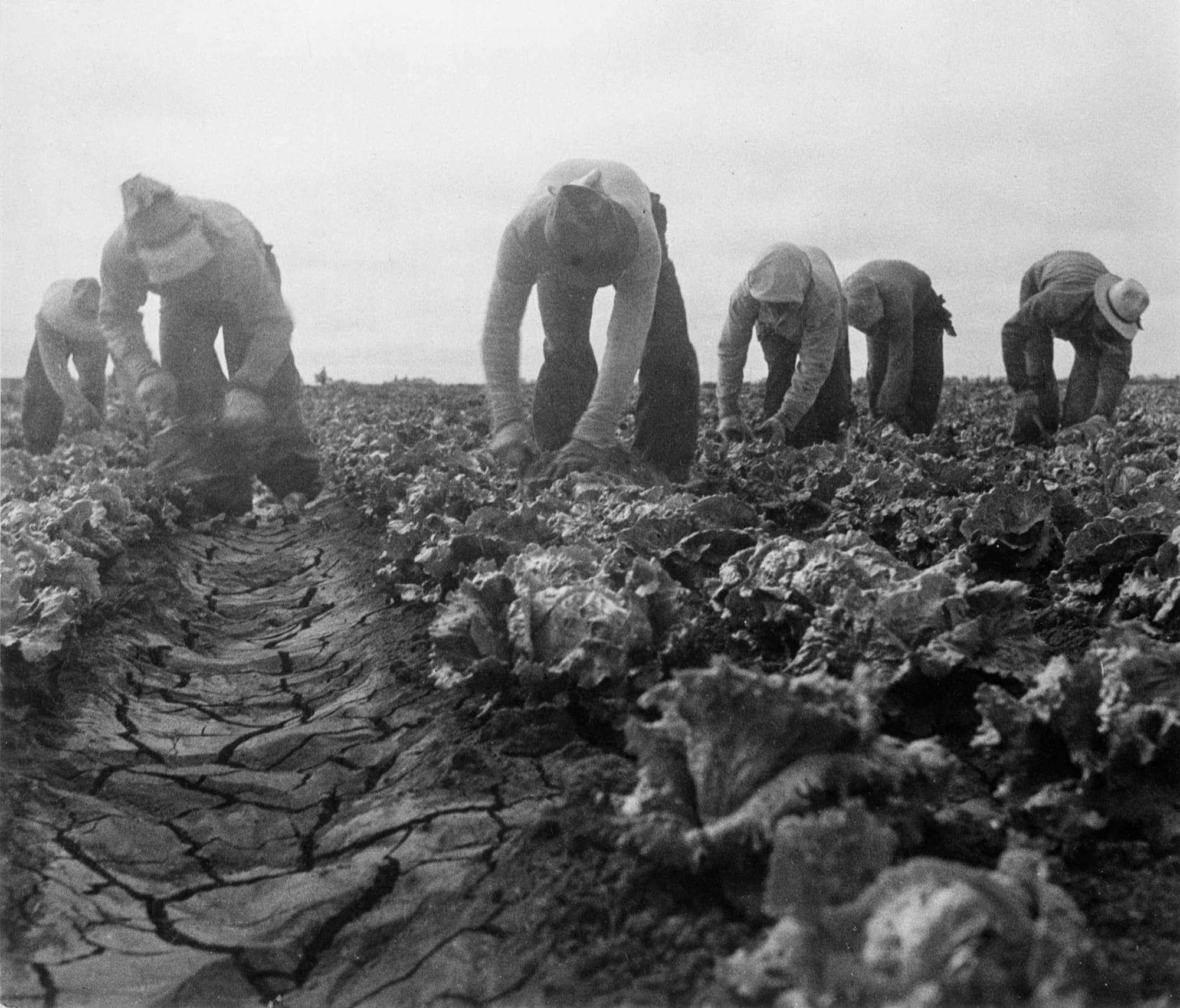
While the fraud investigations are important, the real issue is the status of immigrants in the US, both documented and not. It has become the analogue to slavery in the 19th century, with passion running just as high, but with much more efficient means of communication.
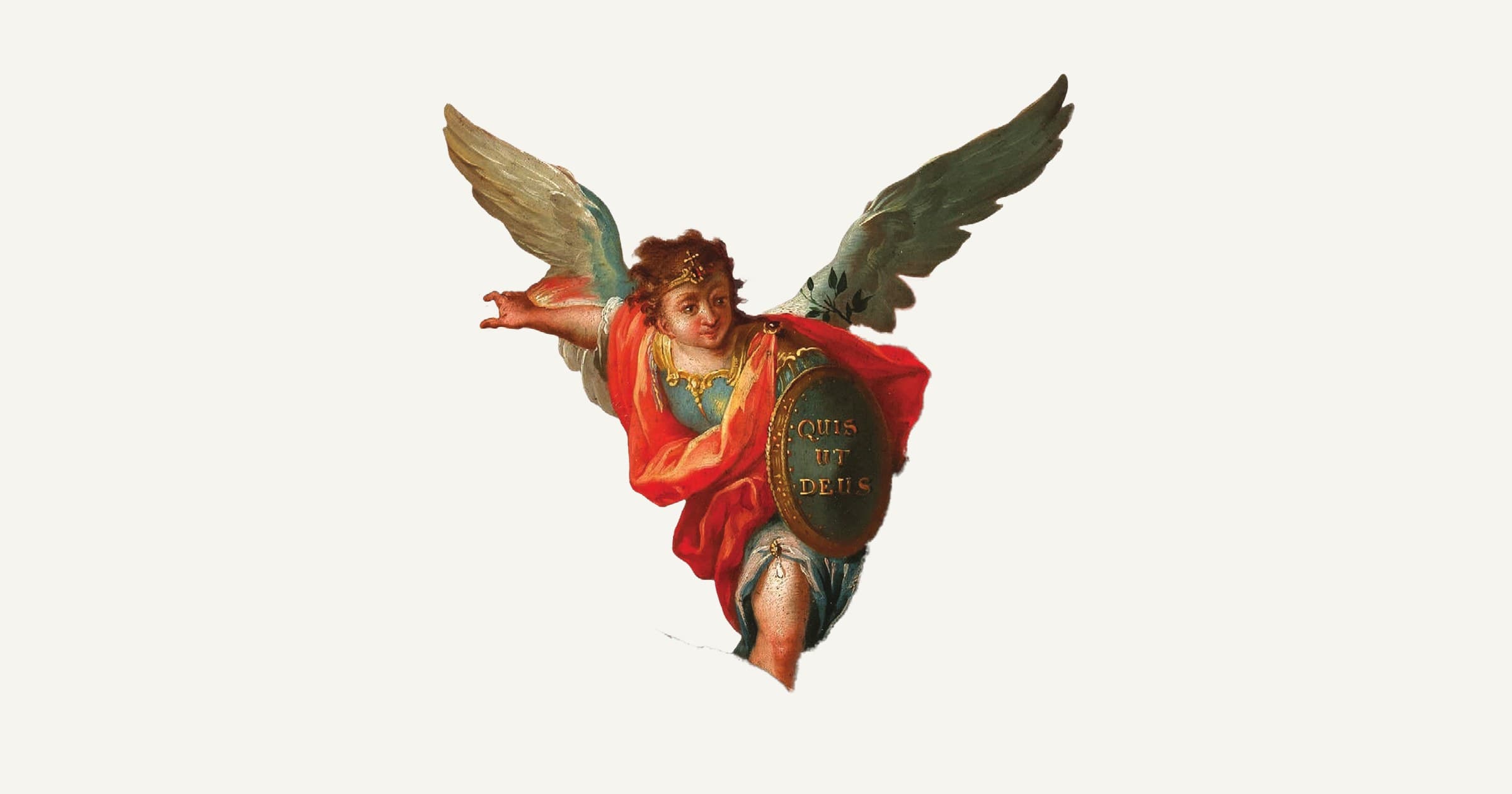
President Lincoln closed his First Inaugural Address with the elegiac words: ‘The mystic chords of memory, stretching from every battlefield and patriot grave to every living heart and hearthstone all over this broad land, will yet swell the chorus of the Union, when again touched, as surely they will be, by the better angels of our nature.’ It is not at all clear that we remember those mystic chords of memory, and it certainly is clear that we have no Abraham Lincoln to invoke the better angels of our nature to revive them in our hearts.