



September 2, 2026

The peace that the world cannot give

More
Related
Min read
share

Peace is not principally the absence of conflict but, as Augustine puts it, “the tranquillity of order”. Scripture reveals that disorder in society originates in the disorder of the human heart. Any lasting social peace, therefore, cannot be the product of social engineering or negotiation. Real peace begins with man’s reconciliation to God, who orders the soul through charity, and from there can begin healing families, communities and nations.

When we speak about peace politically, we tend to mean treaties, ceasefires or settlements. These are real goods, and often urgently necessary ones. But peace to the Christian is something much richer.
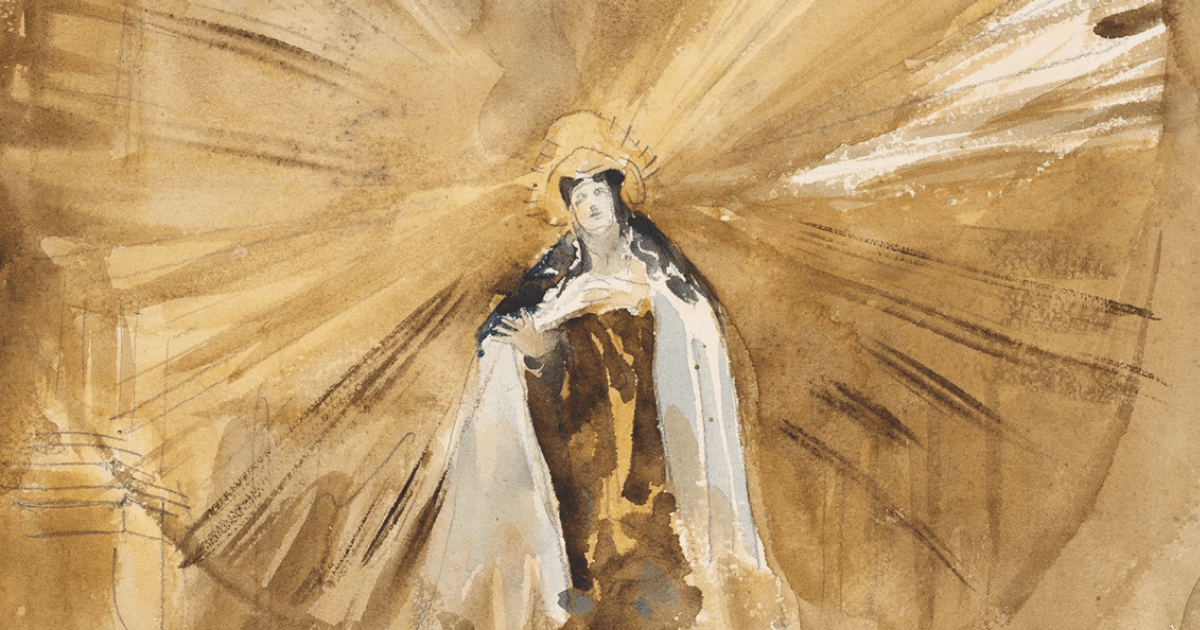

Most people understand instinctively that peace must consist in something deeper than the absence of conflict. A marriage is not peaceful merely because husband and wife have ceased shouting at one another. It does not take revelation to know strife between men often has its origin in the disquiet of the human heart, in the conflict between reason and appetite and in our competing desires for lesser goods. A peaceful society is one made up of men whose appetites are governed by reason and whose desires are rightly ordered towards the highest good.

The Christian agrees with the assessment, but he knows something more. The deepest human disorder is not merely psychological or sociological but spiritual. Man cannot be ultimately ordered within himself, or consequently towards his neighbour, while remaining disordered towards God. Christianity therefore does not begin its programme for peace with diplomacy. It begins with reconciliation.

“Since we are justified by faith, we have peace with God through our Lord Jesus Christ” (Romans 5:1). The most fundamental peace is peace between God and man. What man could not restore for himself, Christ has restored for him: he has “made peace by the blood of his cross”. Peace among men, then, is the outward fruit of a more fundamental reconciliation: the restoration of man’s right relation to God.

This is why Christ tells his disciples: “Peace I leave with you; my peace I give to you; not as the world gives do I give to you” (John 14:27). This peace is perfected in charity. As Aquinas explains, justice produces peace indirectly by removing its obstacles, while charity produces it directly by uniting man first to God and then to his neighbour. The peace Christ begins within the soul.

Pius XI made this point with particular force in Ubi Arcano Dei Consilio. Writing in the aftermath of the First World War, he insisted: “We do not need a peace that will consist merely in acts of external or formal courtesy, but a peace which will penetrate the souls of men…”

Here we encounter the great paradox of Christian peace: to be at peace with God is, in another sense, to find oneself at war with the world, the flesh and the Devil. Pride, avarice, hatred, envy, vengeance and the desire for domination do not disappear upon Baptism. As Joshua led the Israelites against the Canaanites, so we must wage relentless war against the vices that occupy our own hearts.

Nor does Christ promise that this interior peace will always produce exterior harmony. “Do not think that I have come to bring peace on earth; I have not come to bring peace, but a sword” (Matthew 10:34). Christ’s peace disturbs all false social concord.

“In me you may have peace. In the world you have tribulation” (John 16:33). It can set men at odds with one another precisely because reconciliation with God changes what a man loves and what he is willing to tolerate. The Christian cannot preserve harmony at the price of truth, justice or fidelity to God. Sometimes the peacemaker must be the person willing to introduce conflict into a comfortable but disordered arrangement.

But the Christian’s war is not ultimately against his neighbour; it is against whatever separates his neighbour from God. He opposes falsehood without ceasing to love the man who believes it. He resists injustice while desiring the conversion of the unjust. He raises arguments like siege towers against the innermost citadel of his brother’s heart, not to destroy it, but to conquer it for Christ. And his warfare is stranger still: he pursues victory so relentlessly that he is willing to be defeated, humiliated, even slaughtered by those he seeks to win. For the Christian triumphs not by destroying his enemies, but by loving them until, God willing, they cease to be enemies at all – reconciled to their heavenly Father and received as brothers. Indeed, blessed are the peacemakers, for they wage the sweetest of wars.

This is the strange warfare of the martyrs. They conquer without killing. They refuse false peace, endure the violence that follows and pray for the very men who persecute them. Their outward circumstances may be anything but peaceful, yet inwardly they possess precisely the peace that the world cannot give.

For most of us, that peace begins on a much smaller scale. It begins in the heart, the marriage, the family, the neighbourhood and the workplace. The Christian empowered by charity contributes to social peace by cultivating precisely those virtues that make genuine concord possible: justice, forgiveness, patience, meekness, truthfulness and the willingness to seek another’s good even at a cost to himself.

The world naturally associates peace with the removal of conflict. Christianity does not deny the role of politics or the good of concord. It simply insists that there is a peace deeper than the absence of evil. If we really desire peace between men, then we must seek more than the laying down of arms. We must seek the right ordering of human hearts towards the love that reconciled man to God through the Cross, and from there learn to love our neighbour as ourselves.

Continue reading with a free account

Create a free account to read up to five articles each month
Create free account

You have # free articles remaining this month.

Subscribe to get unlimited access.
Sign up

subscribe to the catholic herald today

Our best content is exclusively available to our subscribers. Subscribe today and gain instant access to expert analysis, in-depth articles, and thought-provoking insights—anytime, anywhere. Don’t miss out on the conversations that matter most.
Subscribe