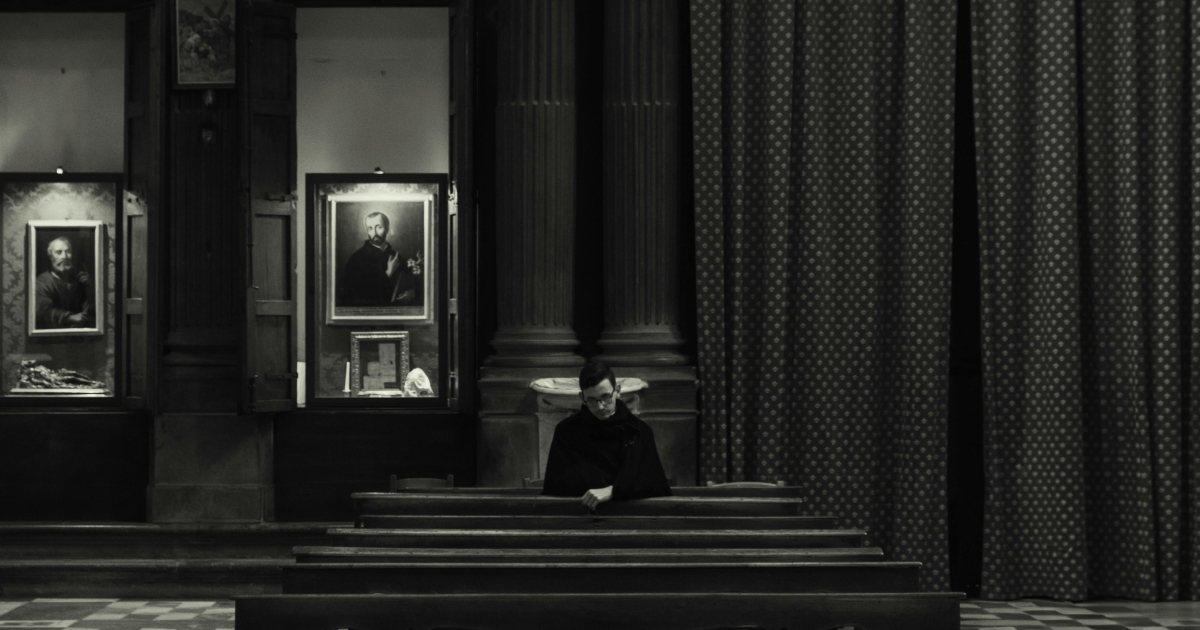



While lay Catholics have long appreciated that silent retreats are not reserved for monks and mystics alone, the surge in popularity of silent travel experiences as a secular trend worldwide shows our universal hunger for stillness.
In the age of notifications, silence is coming off the margins and into the mainstream, driven by the urge to escape digital overload and modern life’s relentless pace. Retreat centres and mindfulness spaces from the United States to Europe are reporting record demand for silent retreats and tech-free breaks, especially among younger adults keen to unplug, slow down and sit with their own thoughts.
This is more than nostalgia. It is a cultural correction: a collective response to a world that has become unbearably loud, fast-paced and distracted.
In early 2025, Eventbrite reported a 460 per cent increase in silent book club events compared with the previous year. These gatherings – where people read together in silence rather than discussing the book – now number around 1,600 chapters across 54 countries, including many in the United Kingdom. The trend suggests not only a growing desire for peace and quiet but also a renewed hunger for in-person connection.
Data from the wellness industry also suggests that ‘digital detox’ and silent retreat offerings have grown significantly, with an increase in demand for tech-free policies as travellers (particularly those under 30) seek spaces for contemplation and silence.
This reflects a deeper psychological, social and spiritual need. A culture shaped by perpetual, algorithmic dopamine loops and relentless chatter leaves little space for our interior life. We have become so accustomed to noise – both external and internal – that moments of true quiet are rarer than ever.
As someone with an unhealthy attachment to learning, the information age has made this increasingly hard to resist. I find myself filling every solo car journey, commute or quiet moment at home with a podcast, an audiobook or even a back-and-forth ‘chat’ with AI about history, business or the news. When the stream of input finally stops, the first sensation is often not peace but restlessness. Silence exposes how we have become unused to our own thoughts. If we stay with it long enough, however, that initial discomfort can give way to something quieter and deeper: attention.
This contemporary noise crisis is not only a matter of decibels. It is a noise of distraction, busyness and surface stimulation that crowds out reflection and relationship, both with God and others. Where we once learned from those in our communities who were older, wiser and more experienced, we can now be hyper-efficiently productive by listening to an interview with someone even more successful whom we may never even meet. We become addicted not only to knowledge-as-power but to productivity-as-worth. Our attention spans shrink, and the possibility of making space to encounter God in the stillness of our hearts becomes ever more remote.
This is precisely the diagnosis offered by Cardinal Sarah in his book The Power of Silence: Against the Dictatorship of Noise. Drawing on a long conversation with French journalist Nicolas Diat in the hushed halls of the Grande Chartreuse monastery in the French Alps, he urges us all to recognise that silence is not an absence but a presence: the presence of God, the presence of truth and the presence of our inner self.
For Sarah, silence is not merely therapeutic; it is transformative. While speech characterises humanity, silence enables us to converse truly with God, giving our words their deepest sense. Opening our hearts to God’s voice in contemplative prayer allows us to encounter our own selves honestly and humbly, and prepares us for service to others from a place of humility rather than noise-induced habits of deflection.
Noise is an addictive drug: a sedative that keeps us busy and numbed. The antidote has always been silence as a pathway back to clarity and discernment. This is why the Catholic tradition has never treated silence as a luxury, but something that should be built into daily life. For centuries, monasteries across Europe deliberately built periods of silence into their daily routine – not just as an austerity for its own sake but as a discipline of attention. Silence was seen as the soil in which prayer, humility and charity could grow and be spiritually fruitful. In the sacred liturgy as well, silence punctuates the Mass, inviting us into reflective and contemplative intimacy with God. St John Paul II called for a renewed commitment to silence in our frenetic world, following Christ’s example of withdrawing to pray in solitude.
Silence is not an escape from the world but a way of being present with even greater listening. It is a reminder that we are not machines designed for constant input and output but creatures made for communion with God.
In a culture that rarely stops talking, silence reminds us that God’s first language (and perhaps our own) is not noise but stillness.
.png)
.png)
.png)
.png)