

April 23, 2026

The war between the sexes isn’t accidental

Delphine Chui
More
Related
Min read
share

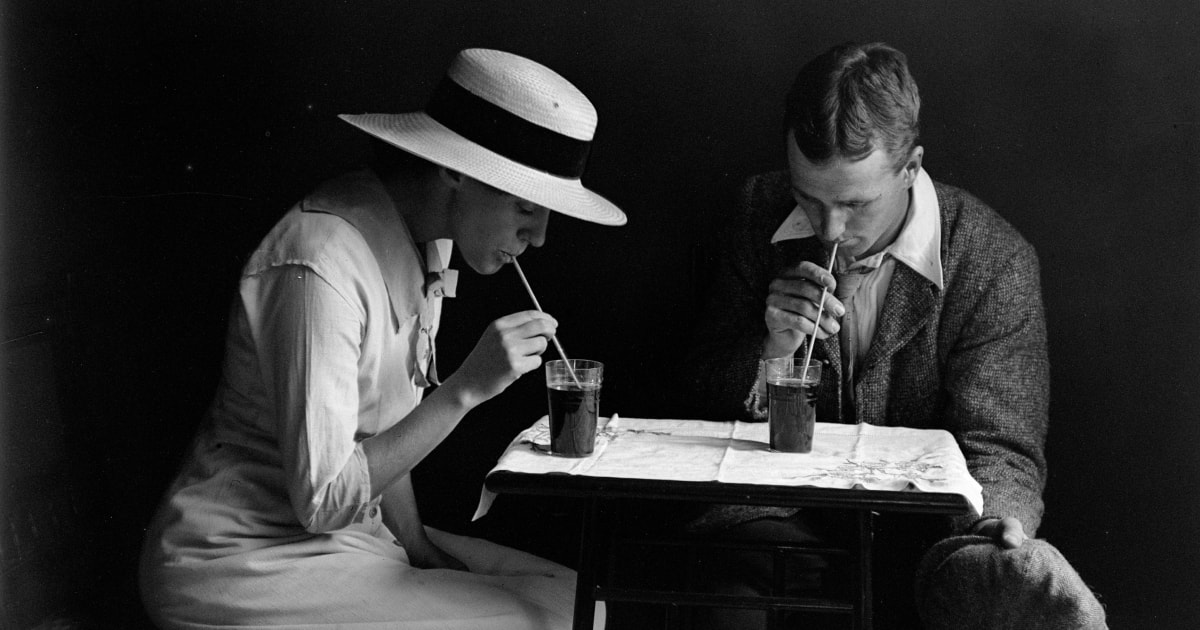
We are living through a moment of profound disenchantment between the sexes, with blame and contempt running in both directions. For years, the cultural spotlight has fixated on the ‘manosphere’ – a world recently examined in Louis Theroux’s latest documentary, centred on red-pilled men, misogyny and figures of influence within the movement. Yet a recent cover story in the New Statesman adds an important layer of nuance to that narrative: while 72 per cent of British men report a positive view of women, fewer than half of women say the same of men, with one in five holding an actively negative view.

While it may be tempting to respond defensively, or to dismiss these ‘angry young women’ as ideological, overexposed to social media or swept up in the currents of online activism, this undercurrent of mistrust is not without reason. We cannot ignore the reality of abuse: rape, sexual assault, coercion and the many forms of belittlement that have eroded that trust. Yet the question remains: how should we, as Catholics, respond to this widening divide between the sexes? For this gap is not merely statistical; it is cultural, emotional and, I would argue, deeply spiritual.

For decades now, the story we have told – particularly to young women – is one of independence without dependence, autonomy without obligation and empowerment without relationship. The sexual revolution promised liberation. But as St John Paul II argued in his Theology of the Body, what it actually delivered was a severing: of the body from the person, reducing the physical to a commodity rather than a sign of self-gift; of sex from its twofold meaning, unitive and procreative; of love from fruitfulness, making children optional rather than the natural fruit of conjugal union; and of marriage from covenant, shrinking it to a contract between individuals rather than a bond ordered towards mutual sanctification.

So-called liberation has often been detached from objective truth; and while the digital revolution did not create this dissolution, it has undeniably accelerated and amplified its unravelling. What we have now is an unclear and dislocated vision of what men and women are for in relation to one another.

At the same time, young men have not emerged unscathed. The rise of the manosphere – an online ecosystem ranging from self-improvement advice to outright misogyny – is not an isolated phenomenon, but a reaction. Many men feel disorientated, unsure of their place, told simultaneously that traditional masculinity is toxic and yet offered no compelling alternative. Some retreat, while others lash out. The result is a feedback loop in which female distrust fuels male resentment, which in turn confirms female suspicion. This is not simply a battle of the sexes; it is a crisis of meaning.

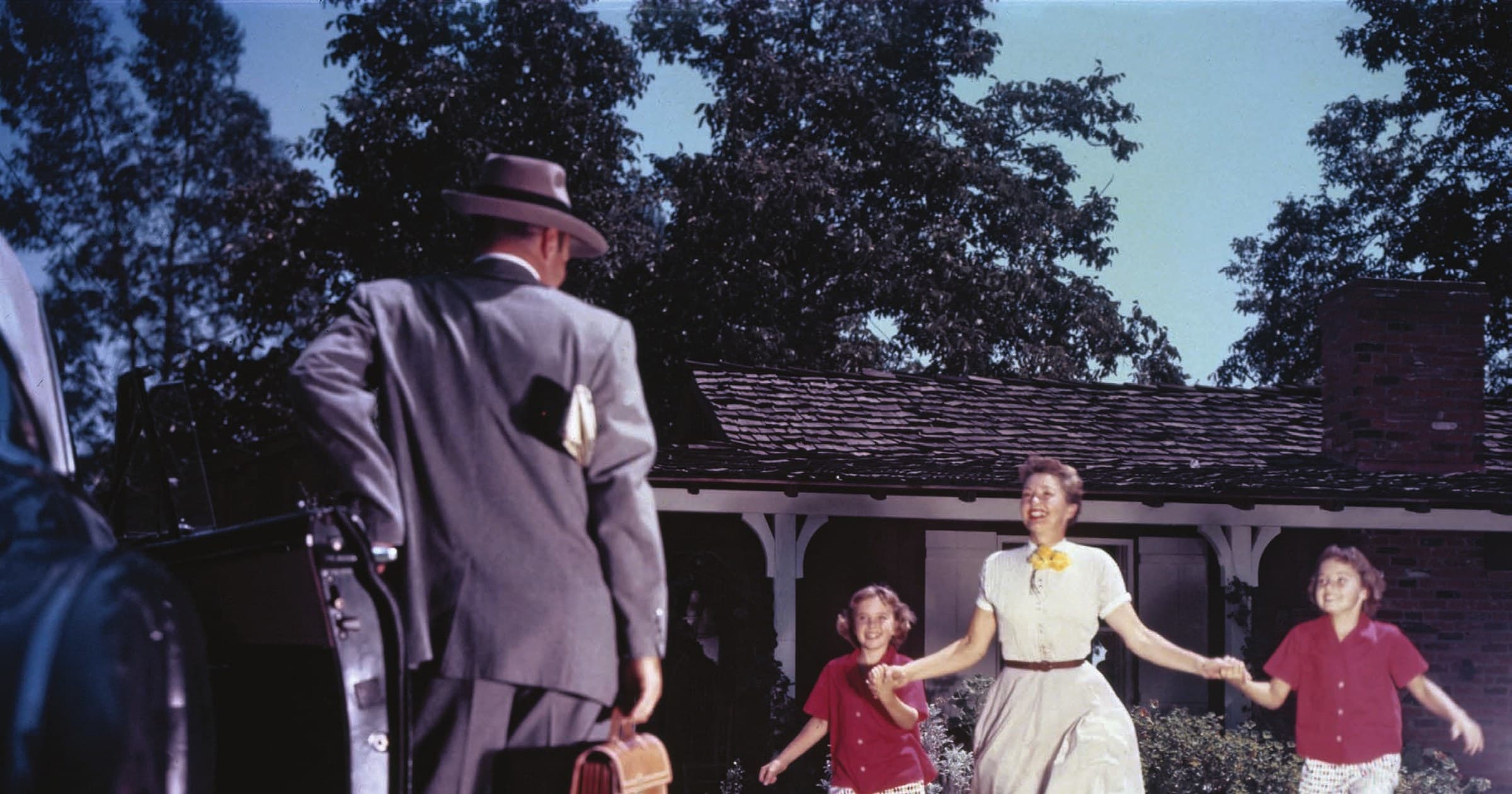
To understand how we arrived here, we must look beyond the symptoms to the wider shape of our society. Rising divorce, growing fatherlessness and increasingly transient communities have left many young people without a lived model of stable, loving, complementary relationships between men and women. In its place, they have inherited fragments: broken homes, absent fathers, overburdened mothers and a culture that too often casts the opposite sex as either competitor or threat.

It is here that the Holy Family offers not a sentimental ideal, but a radical corrective – a model to which we can all look, no matter how fractured our own families may be. The quiet life of Mary, Joseph and Christ Himself reveals something the secular world has largely forgotten: that men and women are not rivals, but complementary collaborators in charitable love.

St Joseph does not dominate: he protects, provides and remains steadfastly present, even amid his anxieties. Our Lady does not compete: she receives, nurtures and responds with courageous trust, offering her fiat. Their relationship is not a power struggle but a mutual self-gift, ordered towards something beyond themselves.

What we are witnessing today is not just social fragmentation, but something more profound: a culture that is, in many ways, becoming anti-family – not always explicitly, but in its assumptions. If men and women cannot trust one another, cannot admire one another, cannot build together, then the family – the place where such unity is meant to flourish – becomes fragile. And a fragile family leads to a fragile society.

So what is the solution? It is not to scold young women for their anger, nor to dismiss young men for their confusion. Both are responding, however imperfectly, to the reality of real wounds and real uncertainties. But the answer is not purely political or cultural.

At its heart, this is a spiritual battle: a battle over truth about what it means to be a man or a woman, a battle over love – whether it is self-giving or self-protective – and a battle over trust: whether the other is a gift or a threat.

Healing, though a never-ending vocation, will only begin through witness: the lived example of men who are strong without being domineering; women who are confident without being defensive; communities that support, rather than undermine, the formation of stable relationships; and a language of complementarity that does not collapse difference into inequality. No amount of cultural analysis can substitute for conversion of heart. Only in encountering Christ do we learn how to love rightly, and to see the other not as an adversary, but as someone entrusted to us.

The anger of these young women is telling us something profoundly important. Not simply about men, but about a deeper hunger for safety, meaning and a love that does not disappoint. If we ignore them, we will only deepen the divide.

But if we listen carefully, and respond not with defensiveness but with truth and compassion, we may begin to recover something that has been quietly eroded: trust between men and women, rooted not in ideology, but in the enduring reality that God ‘created man in his own image… male and female he created them.’ Inscribed within the very humanity of man and woman is the vocation – and with it the capacity and responsibility – for love and communion. The path back to trust is, ultimately, a recovery of what God has written into the very meaning of what it is to be human.

Continue reading with a free account

Create a free account to read up to five articles each month
Create free account

You have # free articles remaining this month.

Subscribe to get unlimited access.
Sign up

subscribe to the catholic herald today

Our best content is exclusively available to our subscribers. Subscribe today and gain instant access to expert analysis, in-depth articles, and thought-provoking insights—anytime, anywhere. Don’t miss out on the conversations that matter most.
Subscribe