
April 22, 2026

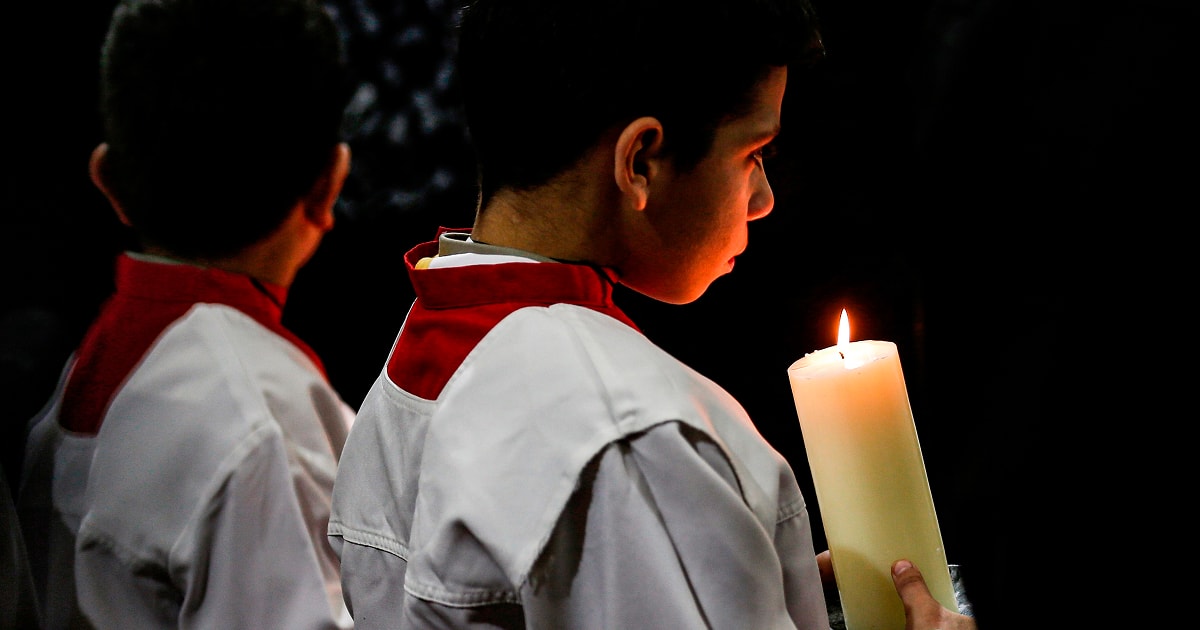
Altar boys are back

Fr Dwight Longenecker
More
Related
Min read
share

On March 15, 1994, a circular letter from the Congregation for Divine Worship and the Discipline of the Sacraments was sent to the presidents of episcopal conferences. The letter provided instructions for implementing an authentic interpretation of Canon 230 §2 of the 1983 Code of Canon Law, affirming that the liturgical functions open to laity under this canon (such as lector, commentator, cantor and others) could include altar servers and that these functions could be carried out by both men and women. Pope St John Paul II had confirmed this decision at an audience two years earlier, and ordered its promulgation.

Prior to 1994, the general norm restricted altar service to males, with very limited exceptions. The 1994 change did not impose girl altar servers universally. Instead the decision was delegated to bishops to allow the innovation while preserving the tradition of male altar servers as the norm.

A 2001 clarification reinforced the tradition of male altar servers as the norm and reaffirmed that bishops cannot force priests to use female servers, nor may they exclude boys.

Those in favour of boys serving the altar argue that altar serving is a good way to foster priestly vocations, and as the priesthood is reserved to men, girls should be excluded from serving at the altar. At first glance this argument may seem superficial and specious. Do women not have a role of service in the Church, and does not altar serving help to foster an attitude and habit of service in young women?

However, the tradition that altar serving is a training and recruiting ground for priests is older and broader than subjective feelings about the matter. The history of altar servers supports the view that the sanctuary is a male preserve that serves as a training ground for the ordained ministry.

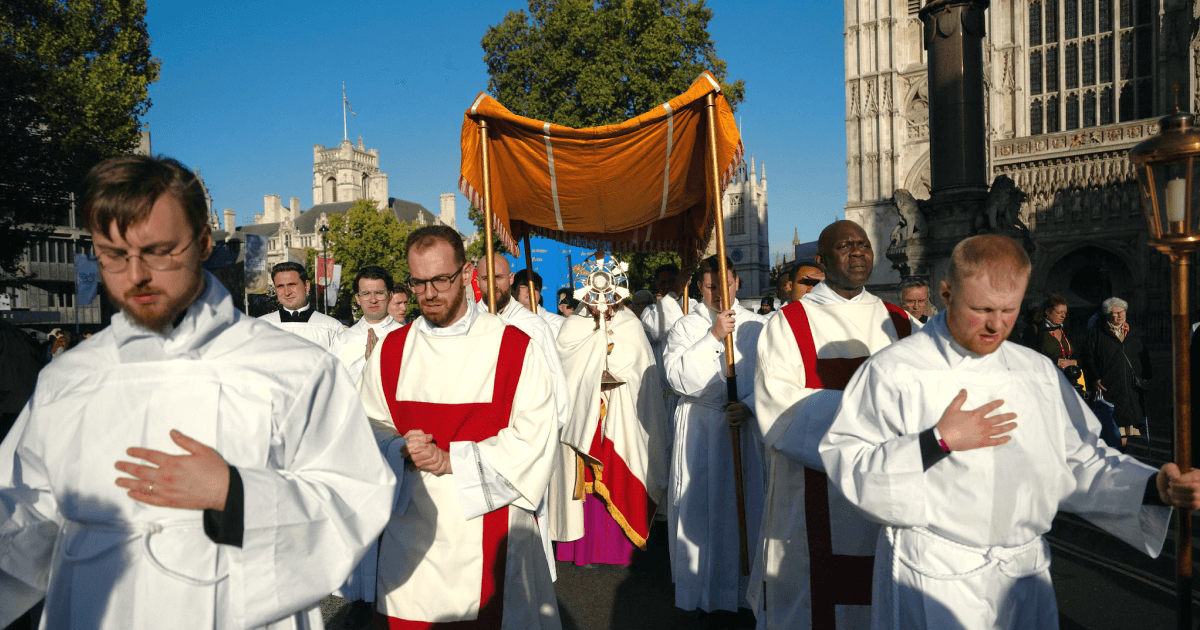
The story begins in the third to fourth centuries when the Church formalised the minor orders of porter, lector, exorcist and acolyte. These were orders instituted by the bishop for young men. The jobs of the acolytes were carrying candles, assisting the priest and deacon, preparing the water and wine for the chalice and sometimes taking the Eucharist to the sick and housebound. As they were minor orders they led naturally to the major orders of the diaconate and priesthood.

In the Middle Ages, as parishes proliferated and men in minor orders became more rare, their functions were taken over by laymen and boys. Although the servers were no longer in minor orders, being an altar server continued to be understood as a stepping stone to ordination.

The admission of girls to be altar servers was both an innovation and a concession to the spirit of the age. When this change took place in the early 1990s, the Church of England had just decided to move forward with women’s ordination to the priesthood. From the mid-seventies, with the rise of feminism, the movement for female liberation swept through society and through the Church.

Allowing girl altar servers was the Catholic Church’s concession, and critics of the change have not gone away. Furthermore, objections to girl altar servers have not only not gone away, but have become more deeply entrenched, with objections that are more profoundly and philosophically rooted. What seemed like a harmless and practical concession is viewed as a subtle and insidious betrayal.

In an admittedly radical traditionalist Substack article, the author detects a secular transgender agenda beneath the seemingly harmless admission of females to the role of altar servers.

Is he unduly alarmist? What does it matter if girls serve with boys on the altar? Actual parish experience may shed light on the question.

When I was assigned as parish administrator sixteen years ago I found that both boys and girls were altar servers. The girls served well. They were dutiful, responsible and reverent. However, there were few boys serving, so to encourage more boys I segregated the sexes. I did this because I understood that when girls join an all-male group, the boys tend to opt out. So I organised the boys to serve at one weekend Mass. Girls served the other. Boys wore cassocks and surplices. Girls wore cassock albs. The result within a few years was a booming supply of boy altar servers, with fewer and fewer girls. Was it possible that girls only desired to serve because it was an all-male preserve? Was that their choice or the choice of their feminist-influenced mothers and grandmothers?

Over the years, with fewer and fewer girl altar servers, we decided to cease training more girls and have only boy altar servers. At the same time we started a girls’ choir, encouraging them to serve the liturgy through music rather than on the altar. In time both the girls’ choir and the boys’ altar servers’ group prospered.

From my own experience, I do not subscribe to quite the hard anti-female ministry line taken by the linked Substack article. However, I can see the author’s larger point, that having girl altar servers blurs gender roles and thus contributes to the fluid gender ideology of the day. The liturgy operates on subtle symbolic levels that echo and reaffirm Catholic theology. If Christ is the bridegroom and the priest is the sign of Christ in the liturgy, then the priest needs to be a man. Women’s ordination blurs this significance. To extend the liturgical analogy, the altar servers are like the groomsmen, attending the bridegroom.

The Catholic faith breathes a sacramental air. Symbolism and liturgical roles echo and reaffirm the sacramental vision and Catholic truth. Blurring those roles undermines the integrity and unity of the sacrament. I believe the integrity of liturgy and the sacrament of Christ the bridegroom strengthens marriage and healthy sexual identity. Therefore, blurring gender roles contributes to confusion for our young people.

One of the key proponents of women’s ordination in the Catholic Church would, ironically, seem to support this argument. Phyllis Zagano in her book Holy Saturday: An Argument for the Restoration of the Female Diaconate in the Catholic Church argues against male–female complementarity and proposes a ‘single nature anthropology’, suggesting that male and female created in God’s image is the important concept, and binary sexual identity is merely an accident that should be overlooked in order to achieve equality.

I struggle to see any significant distinction between Zagano’s ‘single nature anthropology’ and the concepts underlying secular transgenderism – an ideology which also proposes that sexual identity is culturally determined, interchangeable and fluid. While it is alarmist to propose that all altar girls and their advocates are transgender activists, it is certainly reasonable to see that females assuming a role that has, for centuries, been reserved to males is not unconnected.

Fr Longenecker’s autobiography, There and Back Again: A Somewhat Religious Odyssey, is published by Ignatius Press.

Continue reading with a free account

Create a free account to read up to five articles each month
Create free account

You have # free articles remaining this month.

Subscribe to get unlimited access.
Sign up

subscribe to the catholic herald today

Our best content is exclusively available to our subscribers. Subscribe today and gain instant access to expert analysis, in-depth articles, and thought-provoking insights—anytime, anywhere. Don’t miss out on the conversations that matter most.
Subscribe