


The Supreme Court’s ruling is pro-freedom of speech, not anti-gay.
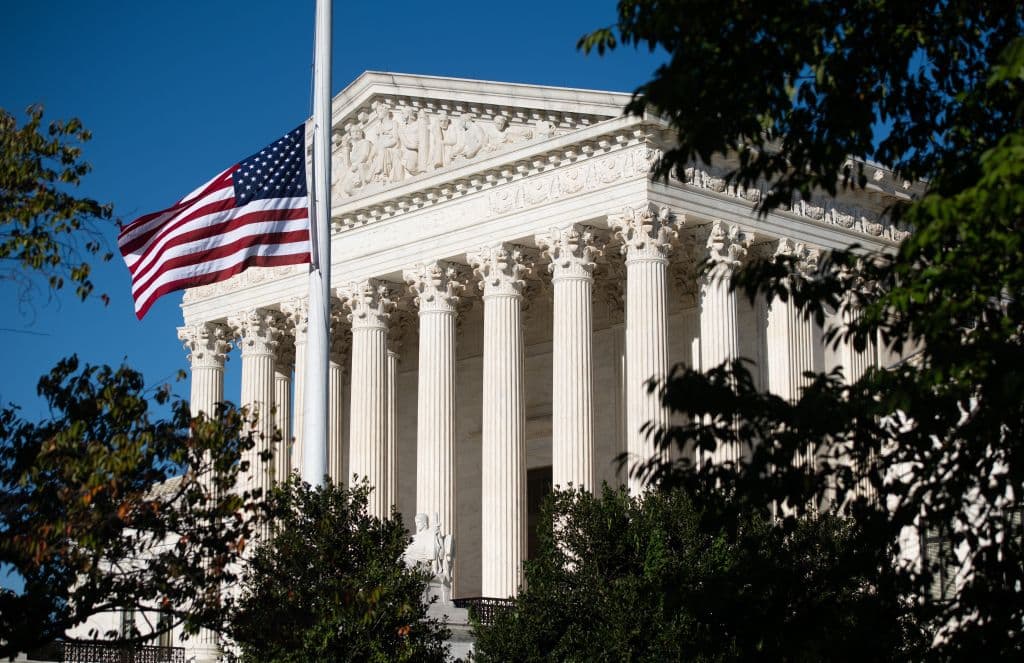
In late June, before adjourning until the next October term, the Supreme Court of the United States (SCOTUS) conducted its annual ritual of handing down decisions in the most publicly contentious cases of the term. While this year’s decisions do not quite rise to the level of last year’s Dobbs case overruling the noxious 1973 Roe decision, at least one case has important implications for religious believers in American public life. In 303 Creative v Elenis, the Court held by a 6-3 vote that a State’s law cannot compel a website designer to create expressive content that she believes is false. Nor can a vendor otherwise be forced to confirm a particular State’s assertion of the truthfulness of moral or religious opinions. While broader than merely religious opinion, the case provides strong protection for religiously motivated individuals and businesses to refuse to participate in government-sponsored falsehood.