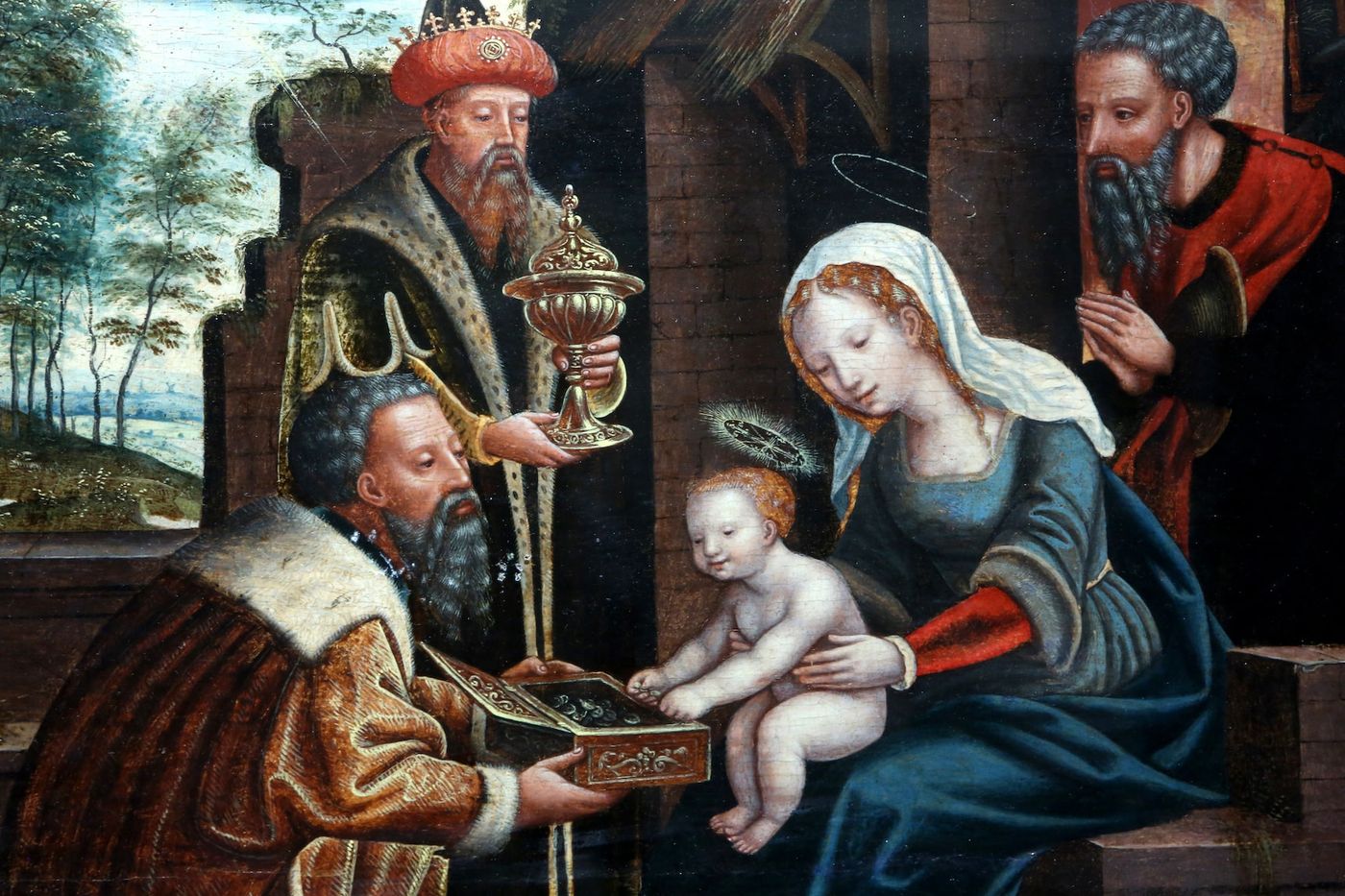



No nativity play would be complete without the three kings, central characters in the tale of Christ’s birth. Almost as well known as the characters themselves is the fact that “the three kings” is a misnomer: there might have been three of them, but then again there might have been any number, because Matthew’s Gospel doesn’t say; what it does say is that these people were magoi, not basileis – not kings, but, as we sometimes call them, wise men.
Yet even this expression does not quite capture what Matthew wants us to know about who these people are. Magi are not simply people who happen to be clever or experienced, but possessors of occult or arcane knowledge, able to deliver oracles and interpret mysterious signs, like Balaam in the book of Numbers, who prophesies that “a star shall come forth out of Jacob, and a sceptre shall arise out of Israel”. These mysterious figures are the inheritors of the ancient biblical tradition in which the wizards, sages and astrologers of the pagans are sometimes granted true insight into the mysteries of God’s providence. In the Gospel for the Feast of the Epiphany, Matthew obviously feels very positively about his Magis’ wisdom, which after all they used to get as far as Judaea at least, and the reason Matthew tells this part of the story, which the other Gospels don’t relate, is that it teaches us something about the positive value of human wisdom and knowledge.