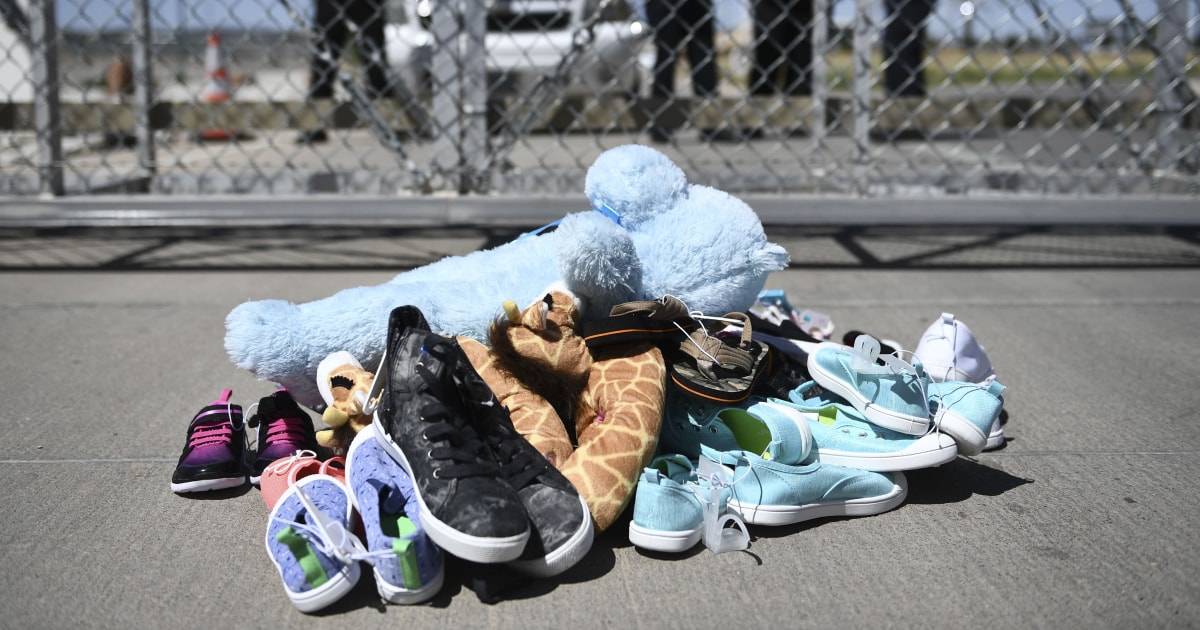
The administration of Donald Trump has cancelled an $11 million federal contract with Catholic Charities of the Archdiocese of Miami to shelter and care for unaccompanied migrant children.
The contract, administered through the Office of Refugee Resettlement, has for years funded a network of services in South Florida for children arriving in the United States without parents or legal guardians.
Catholic Charities in Miami operates foster placements, family reunification services and residential care, including the Monsignor Bryan O. Walsh Children’s Village, an 81-bed facility.
In a statement, Archbishop Thomas Wenski said: “The U.S. government has abruptly decided to end more than 60 years of relationship with Catholic Charities in the Archdiocese of Miami.”
He added: “The Archdiocese of Miami’s services for unaccompanied minors have been recognised for their excellence and have served as a model for other agencies throughout the country.”
Archbishop Wenski said the decision would have immediate consequences for the programme. “Our track record in serving this vulnerable population is unmatched. Yet, the Archdiocese of Miami’s Catholic Charities services for unaccompanied minors have been stripped of funding and will be forced to shut down within three months,” he said.
The Department of Health and Human Services confirmed that the number of unaccompanied children in federal care has fallen significantly. A spokesperson said the current figure stands at around 1,900, compared with a peak of 22,000 in previous years, adding that the government is “closing and consolidating unused facilities as the Trump Administration continues efforts to stop illegal entry and the smuggling and trafficking of unaccompanied alien children”.
The department did not single out Catholic Charities in its response.
Wenski acknowledged the fall in numbers but questioned the decision to terminate the programme. “It is true that the number of unaccompanied minors has declined and some programmes may be scaled back,” he wrote. “It is baffling that the U.S. government would shut down a programme that it would be hard-pressed to replicate at the level of competence” demonstrated by the Church.
Children remain in the care of Catholic Charities in Miami and elsewhere, although it is unclear how many will be affected or where they will be transferred. Robert Latham, associate director of the University of Miami Law School’s Children and Youth Law Clinic, said relocation could have serious consequences for those involved.
“It’s incredibly psychologically harmful to be moved,” he said, adding that repeated transfers can be “as stressful as serious illness or a death in the family”.
“For little kids, moving repeatedly creates bonding issues and destroys the sense of both self and community. They don’t know who they are and where they will be,” he said.
“This should only be done with a lot of emotional support that you normally would find within a family. Unfortunately, that is not there in a group home setting.”
Under the contract, Catholic Charities provided what Church officials described as a full-service child welfare programme, including foster care, counselling and support for children who have experienced trauma before arriving in the United States.
That cooperation began during Operation Pedro Pan, when thousands of Cuban children were resettled in the United States with the assistance of Catholic Charities.
“The positive impact of this cooperation between the federal government and Catholic Charities can be readily seen in the lives of former Pedro Pan children,” Wenski wrote, “who, through this intervention, grew up to be successful members of our communities.”
The archdiocese is expected to address the situation publicly in the coming days at a press conference as it considers whether any alternative arrangements can be made to continue the programme.