July 10, 2026

US bishops ask the faithful not to attend SSPX Masses

Christine Rousselle
More
Related
Min read
share

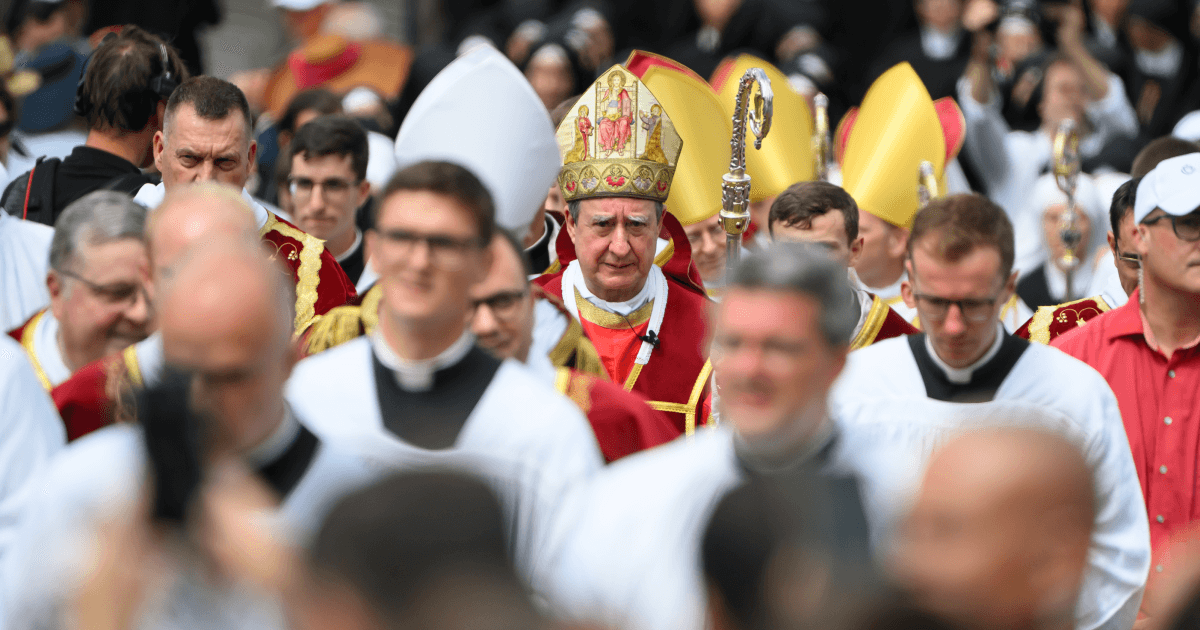
Catholic bishops throughout the United States are instructing people to cease attending Mass celebrated by the Society of St. Pius X (SSPX) and to receive licit sacraments instead. 

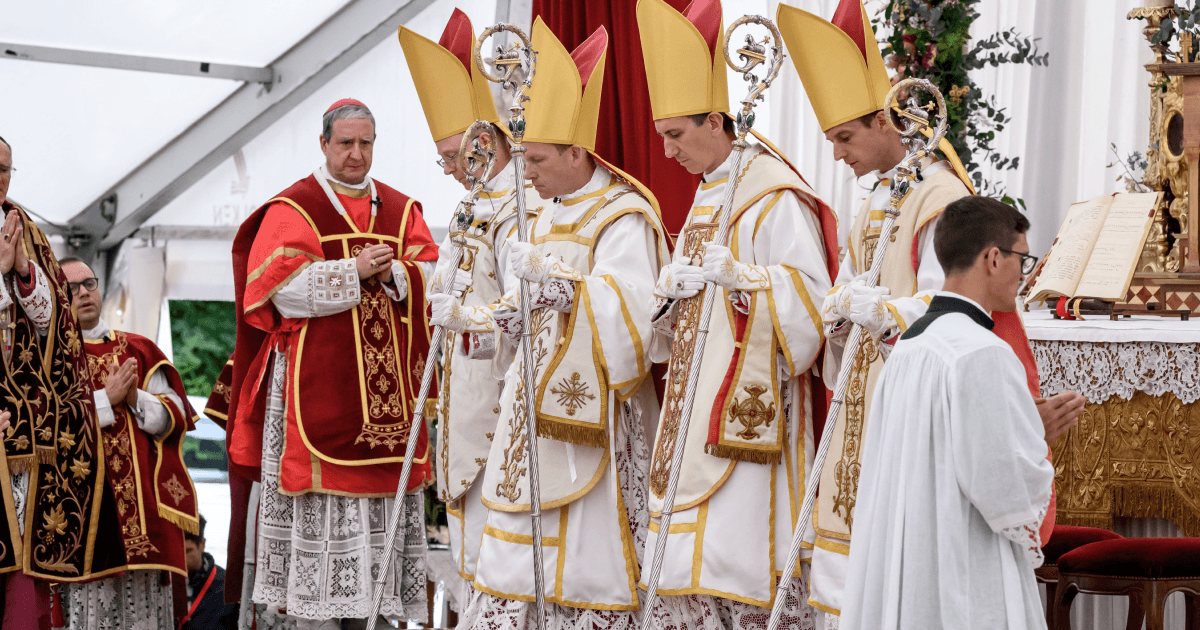
The Vatican formally declared the SSPX to be in schism following the illicit episcopal consecrations of four priests on July 1. The following day, the Dicastery for the Doctrine of the Faith declared that the four newly consecrated bishops, and the two SSPX bishops who participated in the consecration, had incurred an automatic excommunication. 
Since then, multiple bishops in the United States, particularly those in areas with existing SSPX chapels or schools, have issued statements encouraging the faithful to remain in full communion with Church and to pray that the SSPX is one day restored to full communion.

The SSPX has a presence throughout the United States, with a seminary located in Dillwyn, Va., and a college in St. Marys, Kansas. St. Marys is also home to “The Immaculata,” the largest SSPX-built church in the world.

Archbishop Shawn McKnight of the Archdiocese of Kansas City in Kansas, whose territory includes St. Marys, issued a letter on July 8 calling the excommunications “sorrowful” in light of past efforts to reconcile the SSPX with the Vatican. 

“Nevertheless, the faithful should be aware that, as the Holy See has explained, the ministry exercised by the Society is not legitimate in the life of the Church: the sacraments celebrated by its ministers are illicit, and the sacraments of Penance and Matrimony administered by them are now invalid,” said McKnight. 

Those who continue to participate in the SSPX community are acting in a manner “gravely contrary to the unity of the Church,” said McKnight, and attending the sacraments “when undertaken with full knowledge and deliberate consent, is sinful.” 

“We therefore encourage all who have participated in the Society’s apostolates to remain united to the Holy Father and to seek the guidance of our priests regarding any questions that may arise from this unfortunate situation, especially if they have concerns about the validity of sacraments they may have received,” he added, noting “Fidelity to Sacred Tradition is never opposed to fidelity to the Successor of Peter.” 

Bishop Frank Caggiano of Bridgeport, Conn., said he had grown to know many families who regularly attended Mass with the SSPX at the chapels located in his diocese, and that he extended

“I have been moved by their love for the beauty of the sacred liturgy, their devotion to our Catholic tradition, and the seriousness with which they seek to raise their children in the faith,” said Caggiano in a July 3 letter to his diocese. 

He continued, “My heart goes out to them at this painful moment, and I want them to know that they remain very much a part of our diocesan family.”

Caggiano further reassured the faithful that ordinary laypersons are not considered to be excommunicated merely for attending Mass or receiving sacraments in the past from the SSPX. 

“What the Church now asks is straightforward: knowing the situation as it now stands, the faithful of the Catholic Church can no longer take part in the liturgies of the Society, for to do so knowingly would be to share in a separation from the Successor of Peter,” he said. 

Any priest of the SSPX who wishes to return to full communion will be welcomed into the Diocese of Bridgeport “with open arms and great tenderness,” said Caggiano.

“Anyone who wishes to walk this path, or who has a personal question about his or her own situation (for instance, regarding a marriage or a confession), is warmly encouraged to speak with a priest of the diocese, who will offer guidance with patience and care,” he said. 

Bishop Michael F. Burbidge of the Diocese of Arlington, Virginia, released a letter on July 8 urging his flock to “avoid participating in the activities of the SSPX” and invited those who previously attended SSPX Masses to come to a diocesan Latin Mass. 

The Diocese of Arlington has eight locations where the Extraordinary Form of the Mass is regularly, and licitly, celebrated, said Burbidge. Additionally, Burbidge announced in June the creation of a chaplaincy led by members of the Priestly Fraternity of St. Peter (FSSP) to further serve the needs of the faithful within the diocese. 

Burbidge further encouraged people who had previously been attached to the SSPX to seek full communion with the Catholic Church if necessary, and said he was praying for his brother priests in the society. 

Continue reading with a free account

Create a free account to read up to five articles each month
Create free account

You have # free articles remaining this month.

Subscribe to get unlimited access.
Sign up

subscribe to the catholic herald today

Our best content is exclusively available to our subscribers. Subscribe today and gain instant access to expert analysis, in-depth articles, and thought-provoking insights—anytime, anywhere. Don’t miss out on the conversations that matter most.
Subscribe