

June 18, 2026

US and Iran agree tentative peace deal

Thomas Colsy
More
Related
Min read
share

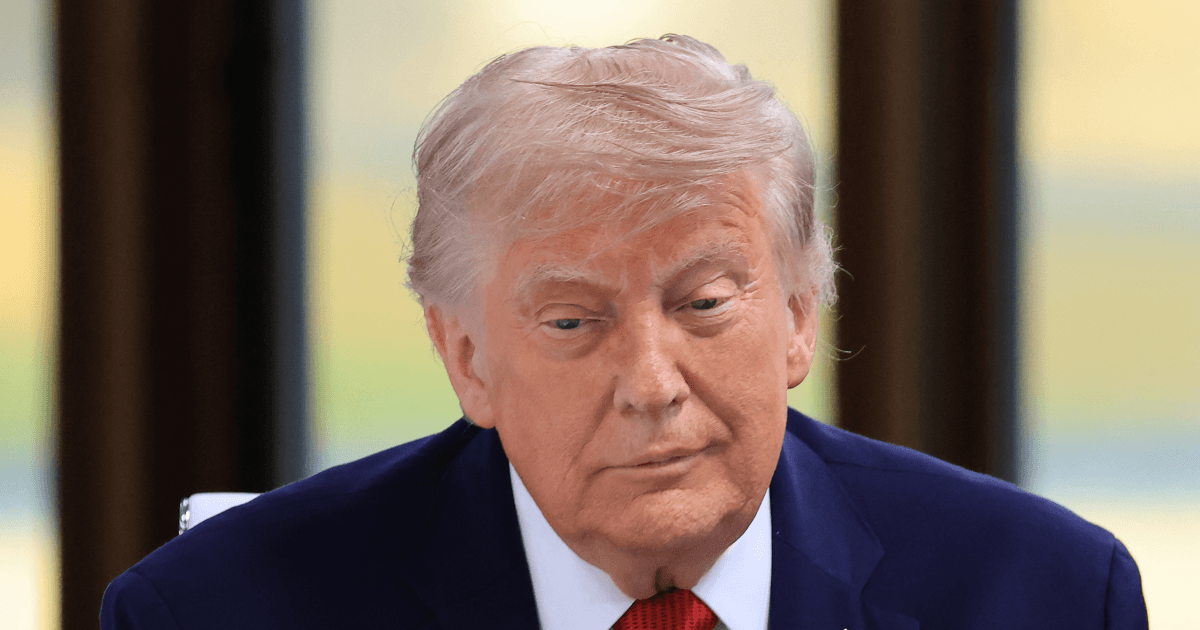
President Donald Trump and Iranian President Masoud Pezeshkian have signed a memorandum of understanding aimed at ending months of hostilities between the United States and Iran, with a formal 60-day ceasefire now in effect and the Strait of Hormuz set to reopen to commercial shipping.

The agreement, mediated by Pakistan and described as an initial framework rather than a final peace accord, was signed electronically on June 15 following Trump’s announcement the previous day. It includes provisions for staged sanctions relief tied to Iranian compliance, the potential release of frozen assets and further talks on Tehran’s nuclear programme, including uranium enrichment limits.

Iranian state media confirmed Pezeshkian’s endorsement, while a senior US official said that Trump and Vice President JD Vance had also affixed signatures alongside Iranian parliamentary speaker Mohammad Bagher Qalibaf. A planned in-person ceremony in Switzerland on June 19 has been superseded by the digital process.

The development comes amid heightened regional tensions. Joint US-Israeli strikes on Iranian targets began in late February, prompting Iranian retaliation that included a blockade of the Strait of Hormuz, a critical chokepoint for global oil supplies. Markets reacted positively to the news, with oil prices falling sharply.

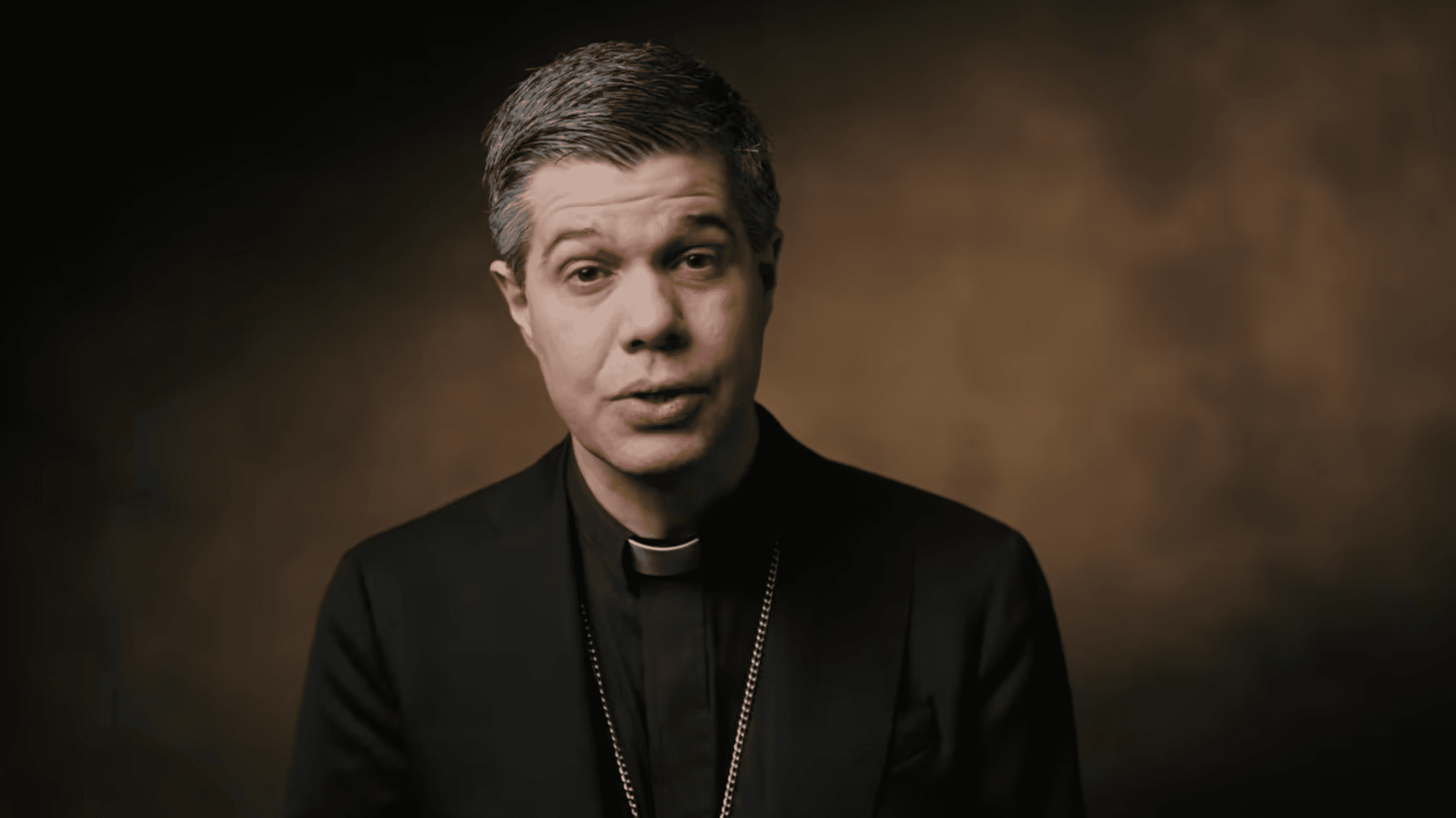
A Catholic expert in international law and conflict resolution, Prof Mary Ellen O’Connell of Notre Dame Law School, expressed cautious optimism but highlighted persistent challenges. She noted Trump’s personal investment in the deal, timed around his 80th birthday and a European trip, alongside domestic pressure to conclude what has become an unpopular engagement.

O’Connell cautioned that “major obstacles” remain, including deep mistrust between the parties and Israel’s continued military posture in southern Lebanon against Hezbollah, Iran’s Shia ally. Christian communities in the region have reported significant suffering from the fighting, with churches damaged and populations displaced. Israeli officials have indicated they will not withdraw from occupied areas despite the US-Iran framework.

On June 14, Trump hosted a high-profile UFC event on the White House South Lawn to mark his birthday and America’s 250th anniversary, featuring multiple bouts before thousands of spectators, including military personnel and dignitaries. The spectacle underscored the president’s emphasis on “peace through strength”, even as expletive-laced remarks to reporters questioned Israeli Prime Minister Benjamin Netanyahu’s timing of strikes in Beirut.

Analysts suggest the agreement places longstanding US-Israeli alliance partners at odds. Netanyahu’s Government has expressed reservations, with some officials vowing to maintain operations against perceived threats. A drone strike in Lebanon on June 15, after the deal’s announcement, underscored the fragility on the ground.

The framework calls for an immediate halt to military operations, including in Lebanon, and the lifting of naval blockades. It establishes a 60-day window for negotiations on outstanding issues such as Iran’s nuclear capabilities and a potential reconstruction fund. However, implementation depends on verifiable steps, including Iranian actions to secure maritime routes and allow demining.

O’Connell advocated a staged confidence-building approach, suggesting initial US asset releases contingent on Iranian reciprocity, such as opening the Strait and permitting technical verification. She also raised the legal and moral case for conditioning arms supplies to Israel to enforce compliance.

For Christians monitoring the Holy Land’s ancient Christian presence, the deal offers tentative hope of reduced bloodshed but leaves unresolved the status of beleaguered communities in Lebanon and the broader question of regional stability amid shifting alliances. Further talks in Geneva are expected, though scepticism persists over whether a durable peace can emerge without addressing core theological and territorial fault lines.

Continue reading with a free account

Create a free account to read up to five articles each month
Create free account

You have # free articles remaining this month.

Subscribe to get unlimited access.
Sign up

subscribe to the catholic herald today

Our best content is exclusively available to our subscribers. Subscribe today and gain instant access to expert analysis, in-depth articles, and thought-provoking insights—anytime, anywhere. Don’t miss out on the conversations that matter most.
Subscribe