



April 27, 2026

US firing squad plan reopens Catholic debate on capital punishment

Thomas Colsy
More
Related
Min read
share

The administration of Donald Trump has announced plans to expand federal execution methods to include firing squads, while Pope Leo XIV has reiterated the Holy See’s call for the abolition of capital punishment, against the backdrop of debate among Catholics about the Church’s historical and doctrinal teaching on the death penalty.

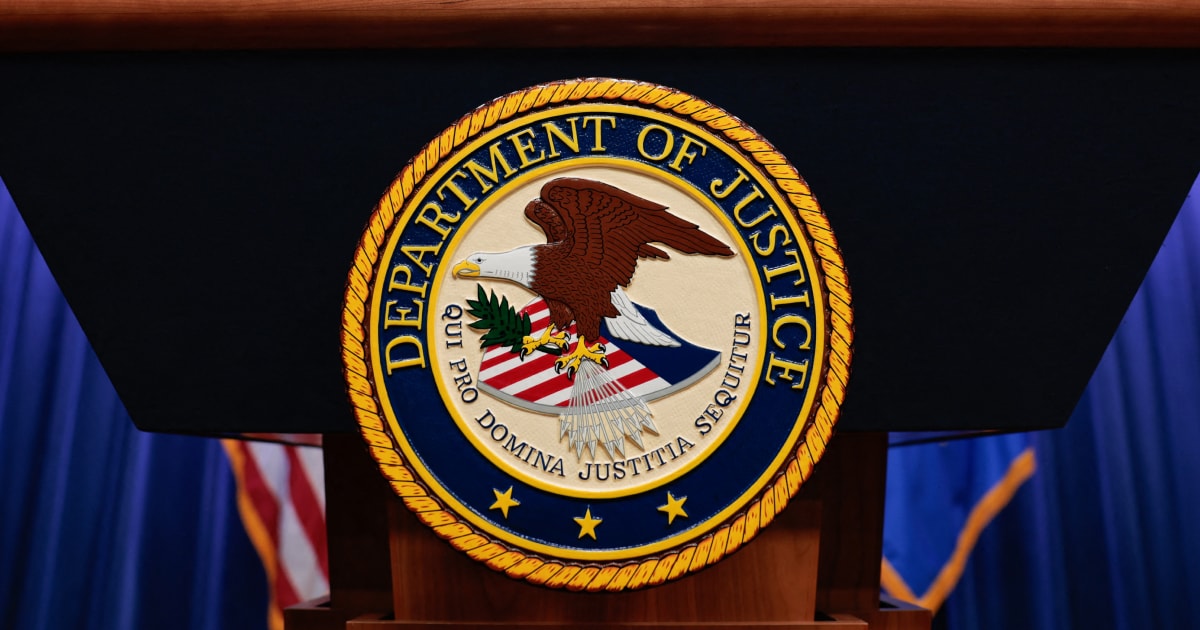
The policy shift was outlined on April 24 by the US Department of Justice, coinciding with a papal message delivered to an anti-death penalty gathering in Chicago. Federal officials said the government intended to “seek, obtain, and implement lawful capital sentences” after a period in which federal executions had been largely paused. The Justice Department said it would readopt the lethal injection protocol used during the first Trump administration, expand the protocol to include additional methods such as the firing squad and streamline internal processes to expedite death penalty cases.


The Department also said it would continue the use of lethal injection using the barbiturate pentobarbital, describing the drug as reliable and comparatively humane. The Associated Press reported that the Biden administration had removed pentobarbital from the federal protocol over concerns about the potential for unnecessary pain and suffering, and that only three inmates remain on federal death row after President Joe Biden commuted 37 federal death sentences to life imprisonment.

Federal executions in the United States are carried out at the Terre Haute Federal Correctional Complex in Indiana, the primary facility used by the federal government for capital punishment. Capital punishment remains lawful under federal statute and in several states, though the number of federal death row prisoners has fallen sharply.

On the same day as the policy announcement, Pope Leo addressed a gathering at DePaul University marking the 15th anniversary of the abolition of capital punishment in the US state of Illinois. In his recorded message, the Pontiff reaffirmed the position adopted in recent years by the Holy See.

“The death penalty is inadmissible because it is an attack on the inviolability and dignity of the person,” he said, echoing language incorporated into the Catechism of the Catholic Church following a revision approved in 2018 during the pontificate of Pope Francis. The Pope added that the Church “affirm[s] that the dignity of the person is not lost even after very serious crimes are committed” and expressed support for efforts to abolish capital punishment worldwide.

At the same time, the Catholic Church has historically recognised the legitimacy of capital punishment in principle under certain conditions, a position reflected in numerous canonical and magisterial sources across centuries. The theological foundation was articulated by St Thomas Aquinas, who wrote in the Summa Theologiae that civil authorities may lawfully execute offenders when necessary to safeguard the common good, comparing the removal of a dangerous criminal to the amputation of a diseased limb to preserve the health of the body.

This principle was codified in official catechetical teaching following the Council of Trent. The Roman Catechism, published in 1566, taught that the lawful use of capital punishment by civil authorities could be an act of obedience to the commandment against murder when exercised to punish the guilty and protect society. The text emphasised that public authorities act as ministers of divine justice when imposing such penalties.

Similarly, the traditional canon law of the Church acknowledged the state’s authority to impose the death penalty. The 1917 Code of Canon Law did not prohibit capital punishment and assumed its legitimacy within civil jurisdiction. Earlier papal teaching likewise affirmed the principle. In the 20th century, Pope Pius XII stated in a 1952 address to jurists that the state possesses the right to inflict capital punishment as a matter of retributive justice, declaring that the execution of a condemned criminal does not dispose of an individual’s right to life in the same sense as the killing of an innocent person.

Scriptural foundations have also been cited in Catholic moral theology. The New Testament passage Romans 13 describes governing authorities as bearing “the sword” to punish wrongdoing, a text frequently referenced in magisterial discussions of legitimate punishment. Historically, Catholic states – including the Papal States themselves – maintained capital punishment as part of their legal systems until the late 19th century, when the temporal rule of the popes ended in 1870.

The modern shift in emphasis towards abolition developed gradually in the 20th century. The encyclical Evangelium Vitae by Pope St John Paul II taught that cases requiring execution would be “very rare, if not practically non-existent” in societies capable of securely detaining offenders. The subsequent revision of the Catechism in 2018 went further, describing the death penalty as inadmissible in contemporary circumstances, reflecting a judgment about modern penal systems and human dignity.

Legal scholars note that the reintroduction of firing squads as a federal option would align with practices already authorised in several US states as an alternative when lethal injection drugs are unavailable. The Justice Department has not announced a timetable for the first executions under the revised protocol, and court challenges are widely expected.

The simultaneous actions by the White House and the Vatican highlight the continuing legal, moral and theological complexity surrounding capital punishment – an issue on which Catholic teaching has developed over centuries while consistently recognising both the authority of the state to punish grave crime and the enduring dignity of the human person.

Continue reading with a free account

Create a free account to read up to five articles each month
Create free account

You have # free articles remaining this month.

Subscribe to get unlimited access.
Sign up

subscribe to the catholic herald today

Our best content is exclusively available to our subscribers. Subscribe today and gain instant access to expert analysis, in-depth articles, and thought-provoking insights—anytime, anywhere. Don’t miss out on the conversations that matter most.
Subscribe