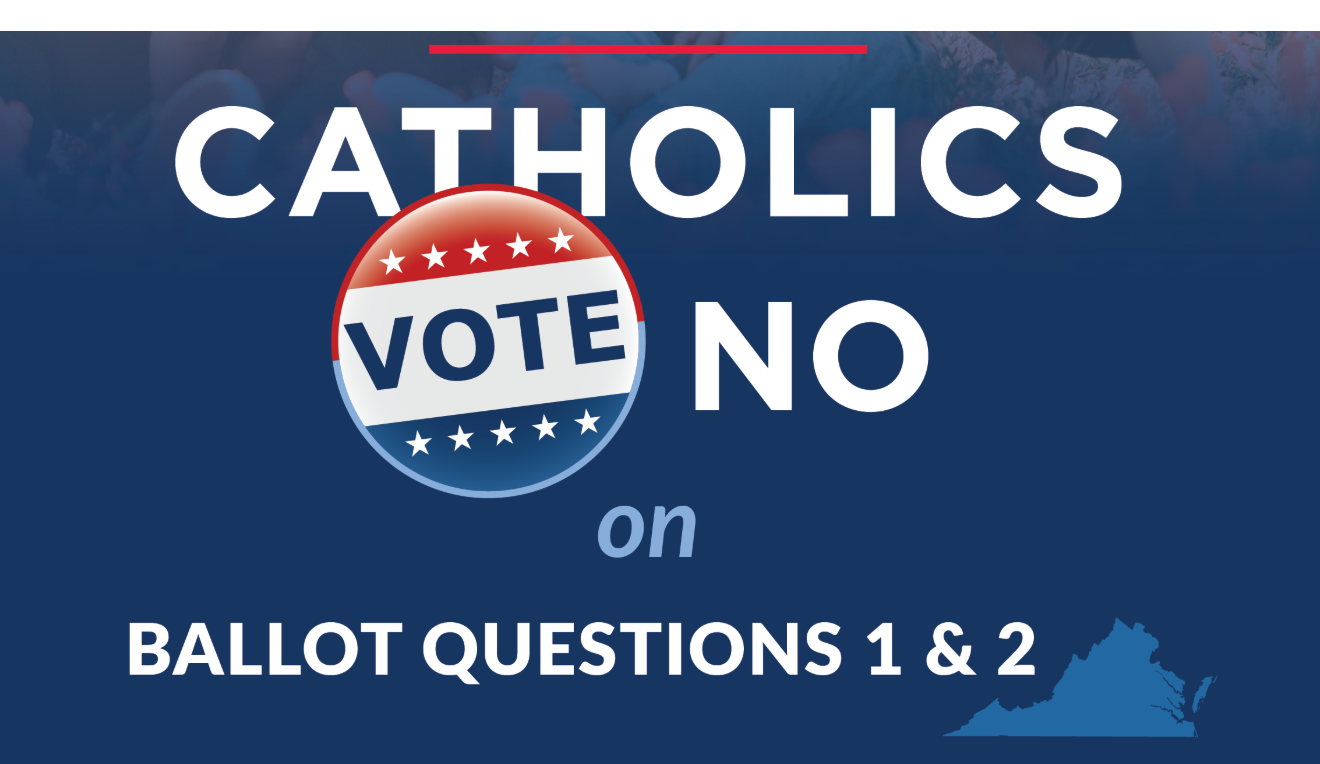


Catholics in Virginia have been directed to vote no on two ballot initiatives that would amend the state’s constitution, with the state’s bishops instructing priests to educate their parishes about why a “no” vote is necessary.
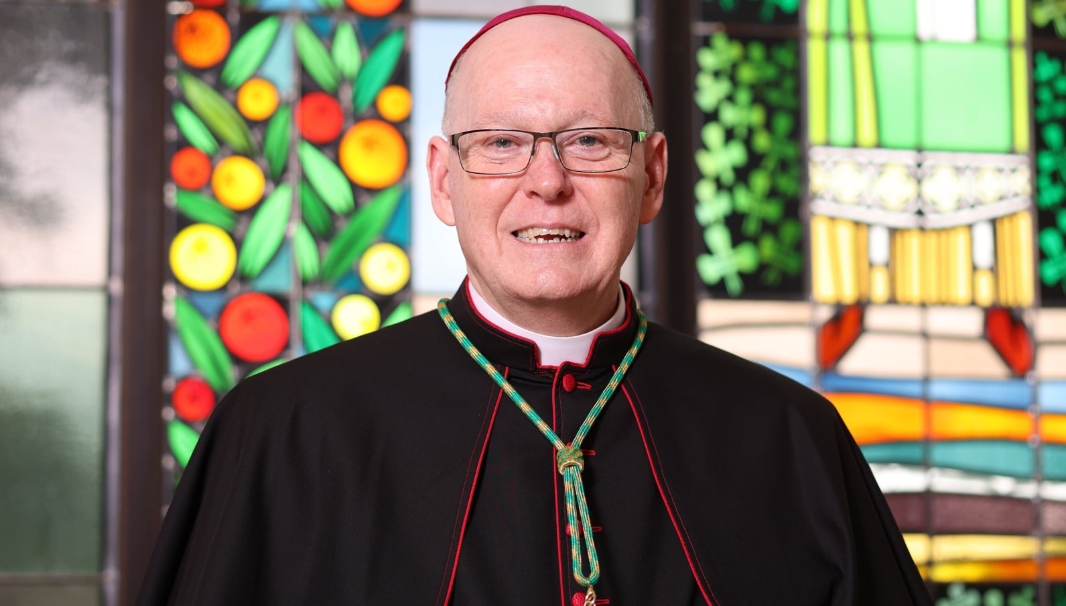
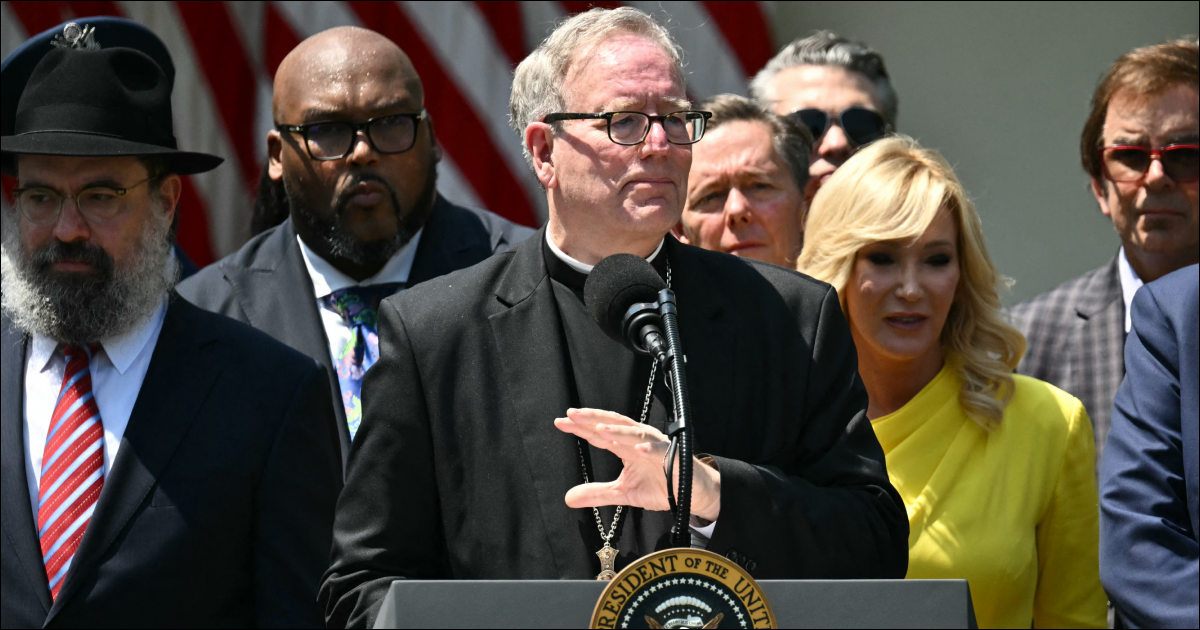
Priests of the Diocese of Arlington, Virginia, were instructed to read a letter from Bishop Michael Burbidge in full during Masses on the weekend of September 12 and 13, instructing Catholics to vote “no” on two upcoming ballot questions concerning abortion and marriage.
Early voting begins in Virginia on September 18.
The letter, published on the diocesan website on September 12 in both English and Spanish, describes the questions as “two dangerous ballot initiatives”.
Ballot Question 1 would amend the Virginia Constitution to “create a legal right to unregulated abortions, performed by unlicensed abortion practitioners at any time during pregnancy”, said Bishop Burbidge. This would also apply to minors, removing “the role of parents concerning life-altering and irreversible decisions for their minor daughters”.
Presently, abortion is legal in Virginia through the 26th week of pregnancy. The proposed amendment, said Bishop Burbidge, “would expand abortion beyond what most citizens recognise as reasonable limits”, something he called “extreme”, “unnecessary” and “wrong”.
Specifically, the state’s constitution would be amended to say: “That every individual has the fundamental right to reproductive freedom, including the ability to make and carry out decisions relating to one's own prenatal care, childbirth, postpartum care, contraception, abortion care, miscarriage management, and fertility care,” and that “An individual's right to reproductive freedom shall not be, directly or indirectly, denied, burdened, or infringed upon unless justified by a compelling state interest achieved by the least restrictive means.”
Abortion could still be regulated in the third trimester, but exceptions must be made for the health of the mother or if the pregnancy “cannot survive”.
The second amendment, said Bishop Burbidge, “would remove from our state constitution the truth, as Jesus taught, that marriage is between one man and one woman”, and would further “enshrine gender ideology by falsely separating the reality of one's sex and gender, obscuring the truth that we are created in the image and likeness of God”.
The amendment would repeal the existing section in Virginia’s constitution limiting marriage to one man and one woman and would prohibit the state from “denying a marriage licence to two adult persons because of their sex, gender, or race”.
Catholics, said Bishop Burbidge, “can unite to defeat these dangerous amendments to our Commonwealth’s constitution”.
And while the Church is “not partisan”, said Bishop Burbidge, that does not mean that it cannot speak “clearly, faithfully, and truthfully concerning matters of faith and morals in public life”.
“An issue of fundamental moral justice confronts each one of us. The Church boldly proclaims its ‘yes!’ to the protection of the unborn and the sanctity of all human life. For us to speak this Yes, we must together proclaim ‘no!’ to these radically unjust ballot initiatives, in fidelity to God and for the good of all in our society,” he said.
Bishop Burbidge directed people to visit the official website for “Catholics Vote No”, to speak to their friends, family and colleagues “in truth and love” about the importance of voting and to ensure that they themselves are registered and planning to vote.
“Together, with God's grace, we can protect life, liberty, and the future of our Virginia home,” said Bishop Burbidge.
A priest of the Diocese of Richmond, which comprises the rest of the state, told the Catholic Herald that he and his fellow priests were encouraged to preach on the upcoming election but were not given a specific letter or script to read from the pulpit.
In August, Virginia’s bishops co-authored a letter about the upcoming election, instructing Catholics to vote “no” on Questions 1 and 2 and saying Question 3 – which concerns voting rights for people who have completed felony sentences – was “a matter of prudential judgement upon which people of goodwill can disagree”.