



February 13, 2026

What does it mean to pray about a decision?

Kerri Christopher
More
Related
Min read
share

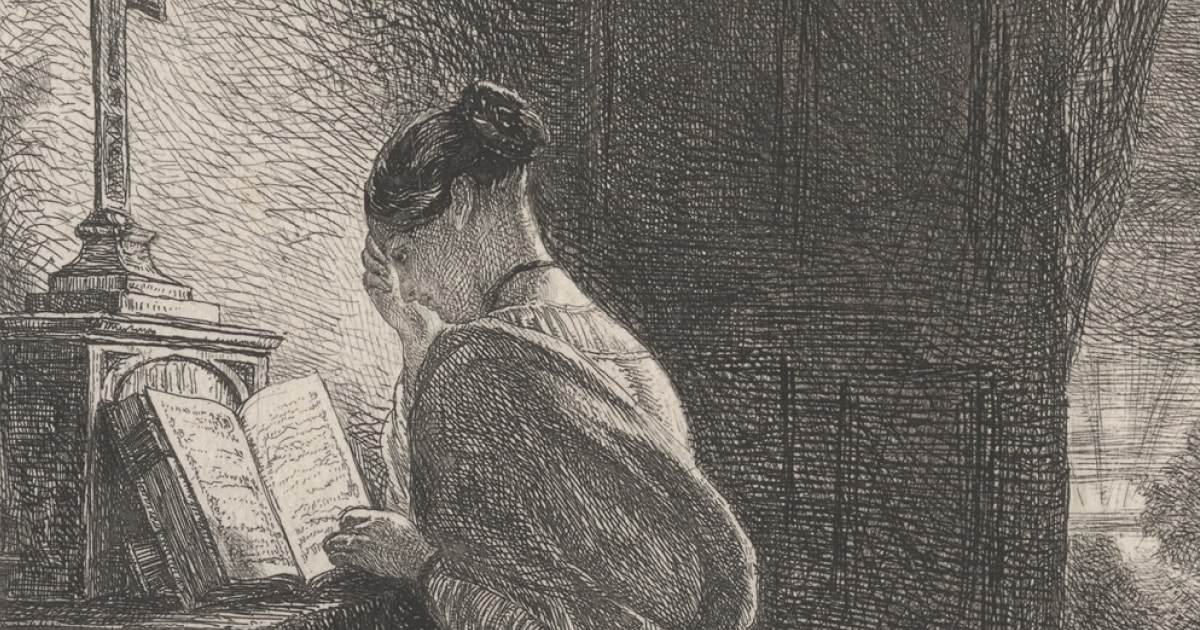
When seeking advice about a decision, have you ever been told to “pray about it”? Maybe you were looking for help deciding which house to buy, which company to work for, or even which charity should receive your tithe. Being advised to pray about such decisions is good advice – as far as it goes. After all, St. Paul exhorts the Ephesians to “pray always.” But what exactly is the role of prayer in decision-making?

The simplest definition of prayer is ‘conversation with God’. Indeed, for those whose souls are marked by being baptised into the life, death and resurrection of Christ, our whole lives should be one long conversation with our Maker. But in the history of humanity, and within the Judeo-Christian tradition, prayer itself takes many forms: the Catechism of the Catholic Church refers to it as “a mysterious encounter… Prayer unfolds throughout the whole history of salvation as a reciprocal call between God and man.” (CCC 2591) Sometimes this reciprocal call takes the form of signs and wonders, like Moses encountering God in the burning bush, or St. Paul being knocked to the ground; more often it seems to involve the ‘still small voice’ that Elijah hears from his cleft in the rock. One contemporary priest-poet even describes it, in a metaphor that will no doubt feel familiar to many of us, as a kind of game of hide and seek.
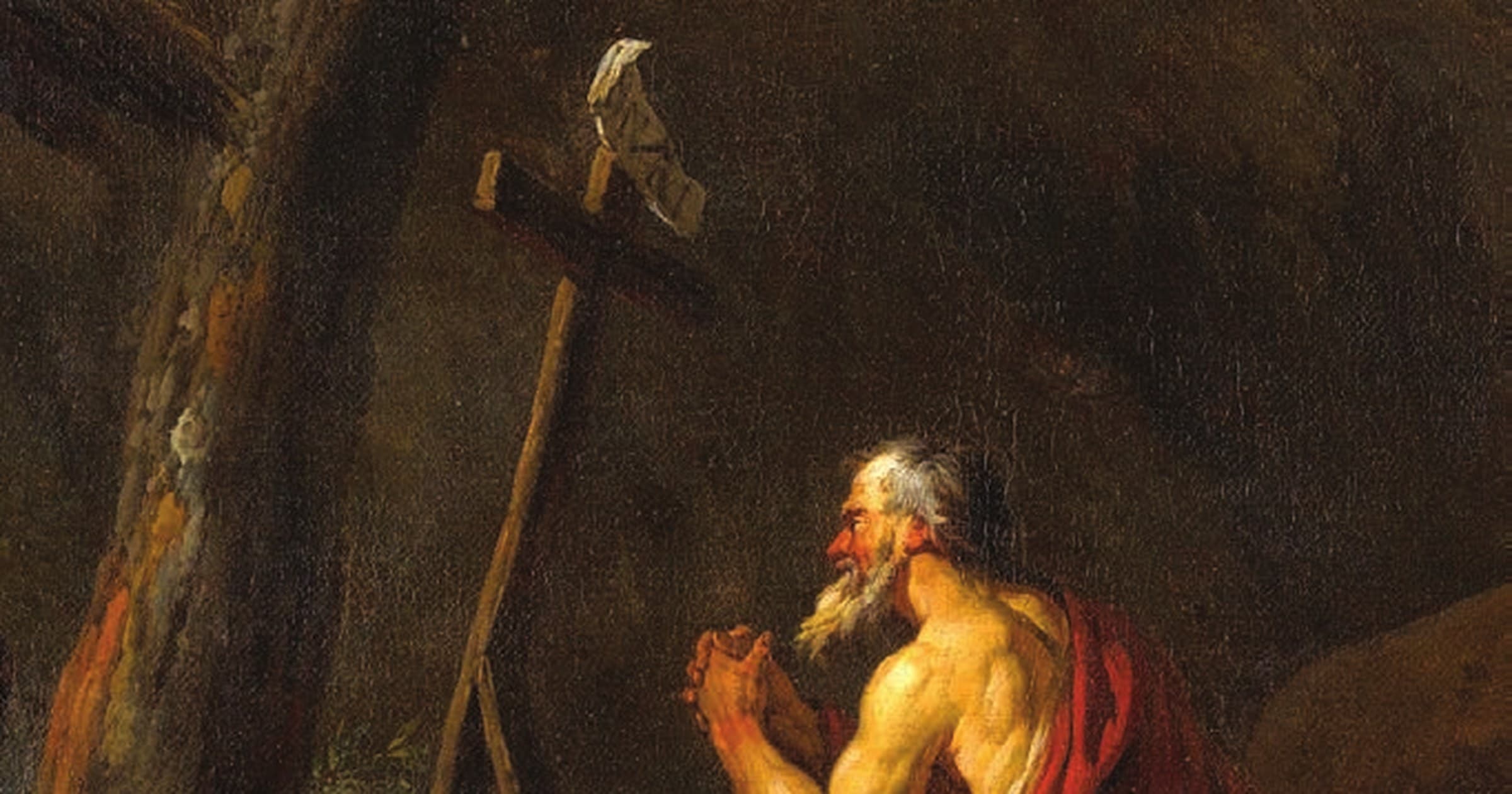

Trying to pin down exactly what prayer looks like for each person is impossible: the infinite nature of God, combined with the uniqueness of each individual, means that every person’s experience of conversation with the Lord will have its own unique hue. And while liturgical prayer unites us all, devotional prayer can take on different forms throughout our lives. Seasons of busy caregiving, when one’s time is not one’s own, often benefit from something like the fixed vocal prayer of the rosary, or even the background prayer of listening to hymns of praise throughout the day. Seasons of intense study or intellectual work often leave the praying person tired of words and longing for the silence of contemplation. Restful periods might encourage someone to pick up the scriptures, ready to delve into meditation on the gospels. 

So yes, we should pray always: to praise God for who He is, to thank Him for what He’s done, and to petition Him for the daily bread that we and others need. But when someone tells us to pray about a decision, what does that mean? Should we thank God for the opportunities in front of us? Should we ask Him what He wants us to do? Should we try to have a conversation about the pros and cons of our options? And what form, exactly, should it take: reading the Bible, saying the rosary, singing a hymn?

The truth is, all of these are good ways to pray. But sometimes we tend to approach prayer in relation to decision-making the way we might approach a jukebox: if we put in a coin, a song will pop out! If we say a prayer, we’ll get an answer! Prayer is a key element of discernment, but it doesn’t entail merely asking God for an answer to our conundrum. 

If we’re told to “pray about” something, we can mistake that generically good advice for thinking that in our specific case, only God knows the answer, and so we must ask Him for it until we receive it, very clearly. Of course, God knows everything. But two other important truths must factor into our prayer: first is that there may not be, in every situation, only one ‘right’ answer. If we’re given a choice between two genuinely good things that enable us to fulfil our daily duties and give glory to God, then the second factor in our prayer becomes extremely relevant. And that is, God has created each of us with the gifts of intellect and free will for a reason: so that we can choose what is good. That choice isn’t always easy in a fallen world: our intellects have been darkened and our wills have been weakened by sin. But these gifts of our creation have not been entirely destroyed.

God wants to have a real conversation with us in prayer. Believe it or not, He’s interested in our desire for good things. He doesn’t want to just give us programming instructions like we’re robots. And yet, often in the process of discernment, that’s exactly what we want, because it would be simpler! Making good decisions is difficult and requires practice. What’s more, we may not always make the best decision in all universes of decisions – this can be a humbling realisation for those of us afflicted with a tendency towards perfectionism. The fact is, God is with us in and through the process of discernment, not merely standing outside of it, waiting for us to make a mistake. Prayer is not meant to be some kind of guessing game: it’s meant to bring us into deeper relationship with the God who loved us enough to die for us. 

Whether we’re trying to decide about housing or jobs or how to spend our resources, prayer can help our discernment process, but it’s not meant to supplant it. When we pray, we’re reminded of our own limited, creaturely status – a wonderful antidote if we’re ever tempted by hubris, thinking that we don’t need anyone telling us what to do. Prayer can also open up space for grace to work in our souls, so that we make decisions from a place of peace rather than fear. Sometimes, we might even be given guidance, insight, or a nudge in a particular direction when we pray. But prayer is primarily about relationship with God rather than solutions to our problems. (Of course, in the deepest sense, God is the answer to all of our problems.) If we turn to prayer without wanting to enter into that ‘mysterious encounter,’ we might miss out on all that the Lord is inviting us to.

When seeking advice about a decision, have you ever been told to “pray about it”? Maybe you were looking for help deciding which house to buy, which company to work for, or even which charity should receive your tithe. Being advised to pray about such decisions is good advice – as far as it goes. After all, St. Paul exhorts the Ephesians to “pray always.” But what exactly is the role of prayer in decision-making?

The simplest definition of prayer is ‘conversation with God’. Indeed, for those whose souls are marked by being baptised into the life, death and resurrection of Christ, our whole lives should be one long conversation with our Maker. But in the history of humanity, and within the Judeo-Christian tradition, prayer itself takes many forms: the Catechism of the Catholic Church refers to it as “a mysterious encounter… Prayer unfolds throughout the whole history of salvation as a reciprocal call between God and man.” (CCC 2591) Sometimes this reciprocal call takes the form of signs and wonders, like Moses encountering God in the burning bush, or St. Paul being knocked to the ground; more often it seems to involve the ‘still small voice’ that Elijah hears from his cleft in the rock. One contemporary priest-poet even describes it, in a metaphor that will no doubt feel familiar to many of us, as a kind of game of hide and seek.
Trying to pin down exactly what prayer looks like for each person is impossible: the infinite nature of God, combined with the uniqueness of each individual, means that every person’s experience of conversation with the Lord will have its own unique hue. And while liturgical prayer unites us all, devotional prayer can take on different forms throughout our lives. Seasons of busy caregiving, when one’s time is not one’s own, often benefit from something like the fixed vocal prayer of the rosary, or even the background prayer of listening to hymns of praise throughout the day. Seasons of intense study or intellectual work often leave the praying person tired of words and longing for the silence of contemplation. Restful periods might encourage someone to pick up the scriptures, ready to delve into meditation on the gospels. 

So yes, we should pray always: to praise God for who He is, to thank Him for what He’s done, and to petition Him for the daily bread that we and others need. But when someone tells us to pray about a decision, what does that mean? Should we thank God for the opportunities in front of us? Should we ask Him what He wants us to do? Should we try to have a conversation about the pros and cons of our options? And what form, exactly, should it take: reading the Bible, saying the rosary, singing a hymn?

The truth is, all of these are good ways to pray. But sometimes we tend to approach prayer in relation to decision-making the way we might approach a jukebox: if we put in a coin, a song will pop out! If we say a prayer, we’ll get an answer! Prayer is a key element of discernment, but it doesn’t entail merely asking God for an answer to our conundrum. 

If we’re told to “pray about” something, we can mistake that generically good advice for thinking that in our specific case, only God knows the answer, and so we must ask Him for it until we receive it, very clearly. Of course, God knows everything. But two other important truths must factor into our prayer: first is that there may not be, in every situation, only one ‘right’ answer. If we’re given a choice between two genuinely good things that enable us to fulfil our daily duties and give glory to God, then the second factor in our prayer becomes extremely relevant. And that is, God has created each of us with the gifts of intellect and free will for a reason: so that we can choose what is good. That choice isn’t always easy in a fallen world: our intellects have been darkened and our wills have been weakened by sin. But these gifts of our creation have not been entirely destroyed.

God wants to have a real conversation with us in prayer. Believe it or not, He’s interested in our desire for good things. He doesn’t want to just give us programming instructions like we’re robots. And yet, often in the process of discernment, that’s exactly what we want, because it would be simpler! Making good decisions is difficult and requires practice. What’s more, we may not always make the best decision in all universes of decisions – this can be a humbling realisation for those of us afflicted with a tendency towards perfectionism. The fact is, God is with us in and through the process of discernment, not merely standing outside of it, waiting for us to make a mistake. Prayer is not meant to be some kind of guessing game: it’s meant to bring us into deeper relationship with the God who loved us enough to die for us. 

Whether we’re trying to decide about housing or jobs or how to spend our resources, prayer can help our discernment process, but it’s not meant to supplant it. When we pray, we’re reminded of our own limited, creaturely status – a wonderful antidote if we’re ever tempted by hubris, thinking that we don’t need anyone telling us what to do. Prayer can also open up space for grace to work in our souls, so that we make decisions from a place of peace rather than fear. Sometimes, we might even be given guidance, insight, or a nudge in a particular direction when we pray. But prayer is primarily about relationship with God rather than solutions to our problems. (Of course, in the deepest sense, God is the answer to all of our problems.) If we turn to prayer without wanting to enter into that ‘mysterious encounter,’ we might miss out on all that the Lord is inviting us to.

subscribe to
the catholic herald

Continue reading your article with a subscription.
Read 5 articles with our free plan.
Subscribe

subscribe to the catholic herald today

Our best content is exclusively available to our subscribers. Subscribe today and gain instant access to expert analysis, in-depth articles, and thought-provoking insights—anytime, anywhere. Don’t miss out on the conversations that matter most.
Subscribe