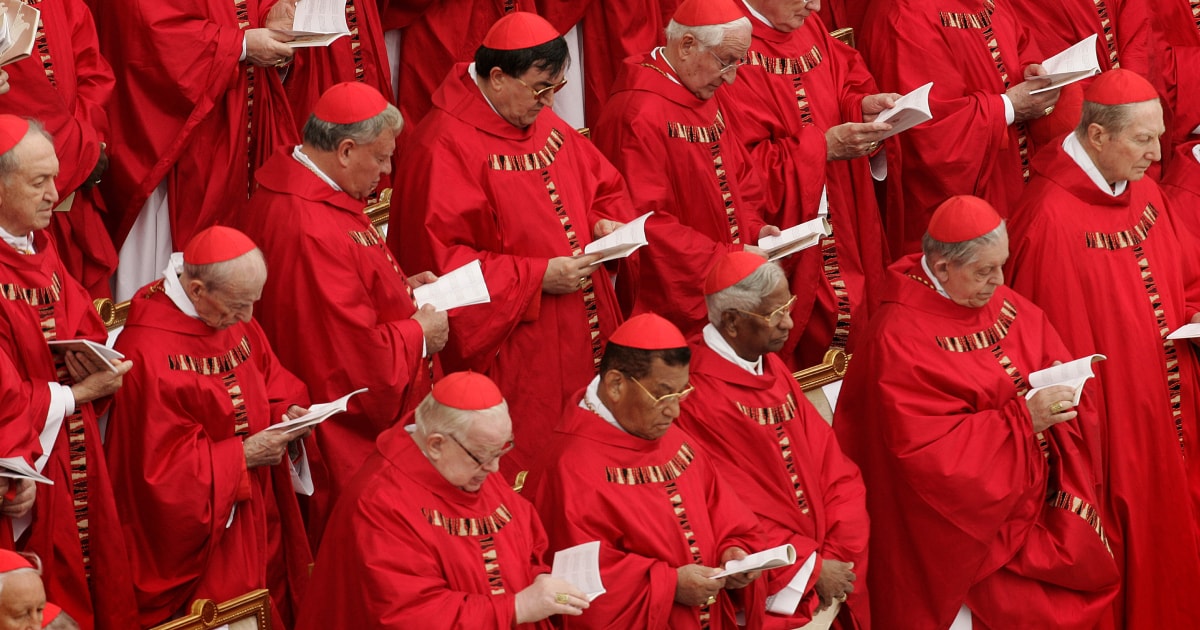


The body responsible for electing the next pope has returned to its canonical size for the first time in months, drawing renewed attention to how Pope Leo XIV will shape the future leadership of the Catholic Church. With the number of cardinal electors now standing at 120 – the traditional limit set in modern canon law – the timing and direction of the Pontiff’s next appointments are likely to carry long-term significance for global Catholic governance.
The milestone was reached on April 15, when Fernando Filoni turned 80, thereby losing his right to vote in a papal conclave under the rules governing the College of Cardinals. His transition brought the number of eligible electors to exactly 120 – the maximum established by Paul VI in the 1975 apostolic constitution Romano Pontifici Eligendo.
The figure of 120 is relatively recent in the long history of papal elections. For centuries, the number of cardinals varied widely, sometimes dramatically. During the Renaissance, the College occasionally included fewer than 30 members, while political pressures and reform efforts led successive popes to adjust its size. It was only in the 20th century, amid the global expansion of Catholicism, that the Church formalised a stable upper limit. Even then, the number has often been treated flexibly.
Modern popes have repeatedly exceeded the threshold when they judged it pastorally or administratively necessary. John Paul II, Benedict XVI and especially Francis all appointed more than 120 electors at various points. At the start of the 2025 conclave that elected Leo XIV, there were 135 voting-age cardinals, one of the largest electorates in the Church’s history.
The current composition of the College reflects the priorities of recent pontificates. Of the 120 cardinals now eligible to vote in a future conclave, 99 were created by Pope Francis, while 17 were created by Benedict XVI and four remain from the pontificate of John Paul II. The presence of those four – appointed relatively young – underscores how papal decisions about the age of nominees can influence the composition of the electorate decades later.
The College has also become markedly more international over the past half-century. Europeans now account for less than 37 per cent of electors, compared with more than half at the end of John Paul II’s pontificate. The shift reflects demographic realities: while Europe once formed the centre of Catholic life, the Church’s fastest growth today is found in Africa and parts of Asia. The transformation began in earnest under Pius XII, who significantly expanded the number of non-European cardinals after the Second World War, signalling a move away from a historically Eurocentric leadership structure.
This globalisation has had visible effects on papal elections themselves. The 2013 conclave that elected Pope Francis marked the first time in modern history that a pope was chosen from Latin America, reflecting the demographic weight of Catholics in the Global South. Similarly, recent consistories have increasingly included cardinals from countries that had never previously been represented in the College, including smaller dioceses in Asia and Africa.
Attention is now turning to how Pope Leo XIV will exercise his authority in shaping the next generation of Church leadership. A trained canon lawyer, the Pontiff has signalled a preference for careful adherence to existing legal norms. In recent remarks to bishops, he emphasised the importance of observing the canonical retirement age of 75, a rule sometimes applied unevenly in past decades.
He has not yet announced the timing of his first consistory to create new cardinals. Speaking to journalists during a recent papal journey in Africa, he said he had not yet decided when new appointments would be made and stressed the need to consider the universal needs of the Church rather than regional expectations. Such decisions have historically been among the most consequential acts of a pontificate, shaping the body that will one day elect a successor.
Demographic factors suggest that significant change is inevitable regardless of timing. More than 40 per cent of current cardinal electors are already aged 75 or older, meaning that a substantial number will reach the age of 80 – and lose voting rights – within the next five years. This natural turnover ensures that the Pope will have multiple opportunities to influence the balance of the College even if he maintains the 120-member limit.
Several senior Church leaders are widely considered potential candidates for future elevation, particularly those recently appointed to prominent positions in the Roman Curia. Among them are Filippo Iannone, Anthony Randazzo and Luis Marín de San Martín.
Historically, certain dioceses have been closely associated with the cardinalate – sometimes informally known as “cardinal sees”. Cities such as Paris, Milan and Vienna have traditionally been represented in the College, though recent popes have occasionally broken with that custom in favour of appointing bishops from missionary or rapidly growing regions. Whether Pope Leo XIV will restore or continue departing from those patterns remains an open question.
Ultimately, the significance of the present moment lies less in the precise number of cardinals than in the decisions that will follow. The College of Cardinals not only advises the Pope on major questions of doctrine and governance but also carries the exclusive responsibility of electing his successor. In that sense, each new appointment represents a long-term investment in the future direction of the Catholic Church, often extending far beyond the lifespan of a single pontificate.
.jpg)