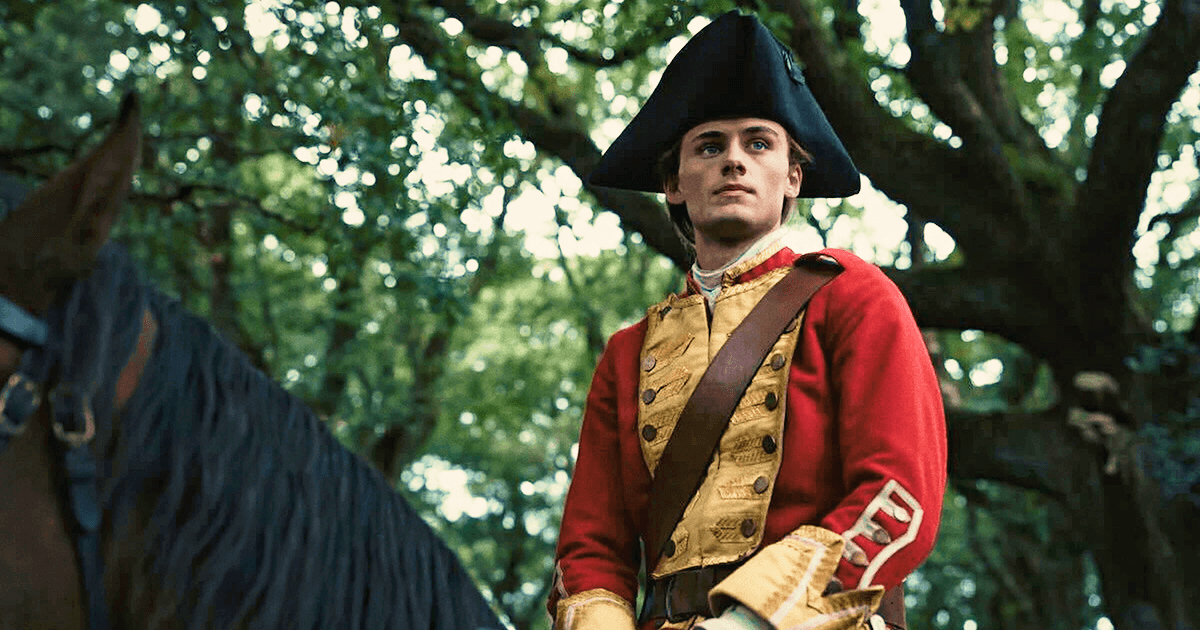



Angel Studios’ “Young Washington” is reminding American men not just of their heritage – but of the values they need to become who God made them to be.
This reminder comes on the heels of a year in which many Americans discovered a sobering truth: young men are not OK. In recent months, the internet exploded with “red-pilled” content from unvirtuous media personalities who encouraged young men to be racist, misogynistic, to focus heavily and almost exclusively on their appearance, and more. Concerningly, some young men seemed enthralled by these messages.
Why? Many men felt that modern society had shunned them and that red-pilled influencers were the only ones who seemingly cared about their plight. Studies showed that men were “failing to launch”, that they were lonelier and more isolated than ever, that they were being passed over for collegiate and professional opportunities because of DEI, and that they were discouraged by economic depression and the crumbling American dream.
In my conversations with young men who subscribed to such logic, there was a recurring theme: modern society was actively biased against them, and there was little hope that the status quo would change. Young Washington inadvertently addresses these concerns with the overarching message: so what? In a little under two hours, viewers get a glimpse into the little-known adolescence of America’s first President, George Washington.
Most Americans know Washington as the courageous leader whose crossing of the Delaware and other heroic moments of leadership helped forge the America we know and love today. Few, like me, probably knew how difficult Washington’s early life truly was. The film shows young Washington’s heartbreak at the death of his father when he was only 11 years old. It depicts the teenage Washington’s dissatisfaction with the hand life had dealt him – his reluctance to be a mere farmer, and his desperate desire to serve in the King’s army.
Despite repeated rejection, Washington’s refusal to give up on this dream ultimately helps him secure a role surveying the Ohio Country. Through this role, he eventually joins the Virginia militia and is granted additional responsibilities after that – including the role of colonel in the King’s army.
Unfortunately, Washington makes a series of errors at this point. His prideful refusal to accept military advice results in the deaths of many of his men, including his close friend, and forces the British to surrender after a battle with the French in Ohio. During negotiations with the French, Washington foolishly signs a document he does not understand, only later discovering that it accused him of assassinating a French commander.
This series of embarrassing and fatal failures prompts Washington to quit the militia. He could have spent the rest of his days trying to overcome his shame by living a quiet existence on his mother’s farm. Instead, the film includes a beautiful moment in which Washington’s mother reminds him that failure does not have to define him. Washington always possessed a desire for greatness. He owed it to himself and to God to humbly learn from his mistakes rather than despair because of them.
This revelation prompts Washington to rejoin the militia, where he demonstrates heroic courage and newfound humility by risking his life for his fellow men. The film strongly implies that divine Providence protects Washington as he runs straight through enemy fire – despite being severely ill – and saves his men without suffering any serious wounds. Washington’s personal victory in this moment sets the stage for the next several decades of his life – decades defined by humility, courage and virtuous leadership.
Though the film likely takes liberties in some areas, it is true that Washington’s journey from a local Virginia boy to the first President of the United States was extremely challenging and required tremendous perseverance and growth.
He reminds today’s men that every generation of American men has faced different circumstances and different odds stacked against them. The men who succeeded did not allow those difficulties to derail their aspirations, but worked relentlessly to overcome barriers to their success. More importantly, Washington demonstrated a lesson that remains relevant across generations: those who succeed are those who are not afraid of failure and who know how to turn each failure into growth.
Most importantly, Young Washington reminds young men today that their life is not their own, and that’s OK. While Washington worked very hard to achieve his dreams and overcome his shortcomings, the film makes it abundantly clear that God had a plan for him all along. Had Washington allowed discouragement to define him and abandoned his dreams, he would never have fulfilled the calling God intended for his life.
Yet Washington’s virtue and commitment to overcoming his human struggles opened his heart to God’s plan and allowed God to achieve greatness through him.
Not every man is called to similar glory. But every young man today is called to accept and overcome the challenges his generation faces and pursue the innate desires of his heart – both for his own betterment and for the glory of God, whose he is.