
June 3, 2026

Why Catholics should sing together again

David Hahn
More
Related
Min read
share

One of the great problems facing modern Western society is cultural fragmentation. Music, once a common human activity, has become something increasingly passive. Most people no longer make music themselves; they consume it. Songs stream endlessly through shops, restaurants, headphones and phones, yet many people rarely sing except jokingly or awkwardly at karaoke nights.

Like most products, music is reduced to taste, and people gather around those with similar tastes. The result is that many people think music creation belongs to professionals, recording studios or enthusiasts rather than to ordinary men and women.

Catholics do not escape this trend. Apart from church hymns, we have followed the tide of culture. We seem to have forgotten that the God who made the heavens also made the earth. Christian culture needs songs not only for the sublime and mysterious, but also for the ordinary and natural. Preferably, these songs would also be as easy to sing as the hymns.

A potential solution could be found in the forgotten folk tradition. At Gregory the Great Academy, a boys’ boarding school in eastern Pennsylvania, folk music has become an ordinary part of daily life. The students learn folk songs as part of the curriculum. They learn to sing together frequently: at special and ordinary occasions alike. Rare is the evening when a song is not heard echoing down the hall from the common rooms, or a tune sounds from the kitchen crew while washing dishes. The school is not primarily a conservatory, nor are most of the boys skilled musicians. It is merely expected that the students, whether tone deaf or talented, make melody together. This is because the faculty recognise something modern culture often neglects: making beautiful music together is something uniquely bonding.

Music creates fellowship between very different kinds of people. Whether this comes from emotion, rhythm, memory or something deeper, the effect is obvious. People grow closer when they sing together. This is one reason traditional and folk music matter. The point is not simply that people participate in singing, but that ordinary people can often sing these songs well. Folk songs are usually written within the natural range and ability of untrained voices. Their melodies are memorable, their rhythms steady and their structure easy to learn without becoming simplistic.

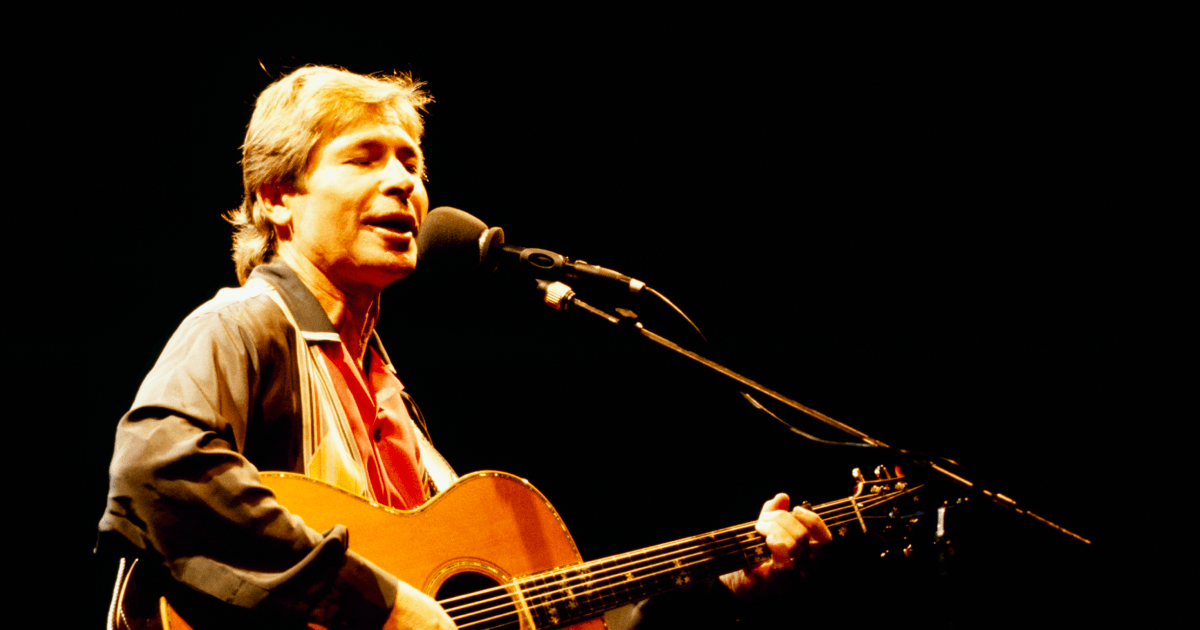
Many modern songs can still function this way. “Take Me Home, Country Roads”, for example, succeeds partly because ordinary people can genuinely sing it together beautifully. Other popular songs are communal in a different sense. A crowd yelling “Mr Brightside” at a wedding may be great fun, but the enjoyment comes more from shared energy and recognition than from musical harmony. The distinction matters because a culture loses something when people no longer expect themselves to make music beautifully together. Twenty boys singing “Auld Lang Syne” may be technically inferior to a studio recording of Bohemian Rhapsody, but the comparison misses the point. The boys can actually sing the folk song together successfully. They participate in its beauty rather than merely consuming it.

After a few years of learning songs by heart, those songs become a shared language. They are ready at hand for celebrating victories, mourning losses, marking holidays or simply passing the time together. A group that can sing together possesses something living that requires neither speakers nor screens.

This does not mean recorded music is bad. There is genuine joy in dancing with friends to popular songs at weddings or parties. But passive listening cannot fully replace the experience of making music together. Creating something, even imperfectly, draws greater participation from us than simply pressing play.

Folk music also possesses a particular kind of beauty. Its melodies are often simple without being simplistic. A good folk song can be learned quickly while still remaining emotionally rich and memorable. Its accessibility is part of its strength. Folk music allows ordinary people, not merely trained experts, to create something beautiful together.

If we want to pass on a culture worth preserving, we must cultivate shared practices rather than relying entirely on mass-produced entertainment. The days of cosmopolitanism are seemingly numbered. Catholics should begin creating the kind of culture they want to leave behind. Folk music may not be as grand as a cathedral or a symphony hall, but it is far more human than treating music as a disposable product.

Recovering this tradition does not require professional training. A person can begin by learning a traditional song verse by verse, listening carefully to the melody and singing with friends or family. Whether we begin with “Wagon Wheel” or “Country Roads”, let us make a beginning. What matters most is not technical perfection, but recovering the habit of making music together again.

Continue reading with a free account

Create a free account to read up to five articles each month
Create free account

You have # free articles remaining this month.

Subscribe to get unlimited access.
Sign up

subscribe to the catholic herald today

Our best content is exclusively available to our subscribers. Subscribe today and gain instant access to expert analysis, in-depth articles, and thought-provoking insights—anytime, anywhere. Don’t miss out on the conversations that matter most.
Subscribe