


It was quite an impressive array of experts, advocates and power-brokers that participated in a conference last week hosted by the Pontifical Academy of Social Sciences, to explore “New Forms of Solidarity: Towards Fraternal Inclusion, Integration and Innovation” at the Casina Pio IV. They included Kristalina Georgieva, managing director of the International Monetary Fund (IMF), American economist Jeffrey Sachs, finance ministers from several different countries including Argentina’s Martin Guzmán and Cardinal Luis Ladaria Ferrer SJ, prefect of the Congregation for the Doctrine of the Faith. Joseph Stiglitz, a US Nobel laureate in economics, delivered a keynote address on “Global Economic Transformation: Power, People and Values”. In his address, Stiglitz highlighted the crisis in global capitalism. He described a range of elements, from entrenched inequality to ecological indifference to a kind of magical thinking in political economy that recognises no moral restraints on market activity. The practical focus of the day-long gathering was debt relief. Martin Guzmán reportedly met the IMF’s Georgieva on the sidelines of the conference. Argentina owes the IMF some $44 billion in loans. That sum reportedly represents less than half of Argentina’s outstanding public debt, which the country is looking to restructure. Argentina’s economy is in recession, meanwhile, and inflation is high. Last week’s Vatican visit by Argentina’s new president, Alberto Fernández, grabbed headline space – owing in part to a Mass celebrated in the crypt of St Peter’s Basilica, at which Fernandez and his domestic partner reportedly received Communion – but one wonders whether the real dealing was not done elsewhere.
8:03 PM
Why economists made a pilgrimage to Vatican City
Christopher R. Altieri


2 min read



Already a subscriber? Sign in
5freearticles every month
Continue reading with a free account. No card needed.
- Five free articles every thirty days, on any device you sign in on
- The Catholic Herald newsletter, every morning
- Subscribe whenever you like for everything: every article and the magazine
Related articles
 Analysis
Catholics were in America long before 1801
From Spanish Jesuit missionaries in Virginia to Maryland’s Catholic settlers, the history of Catholicism in America stretches back to the colonial era
Christine Rousselle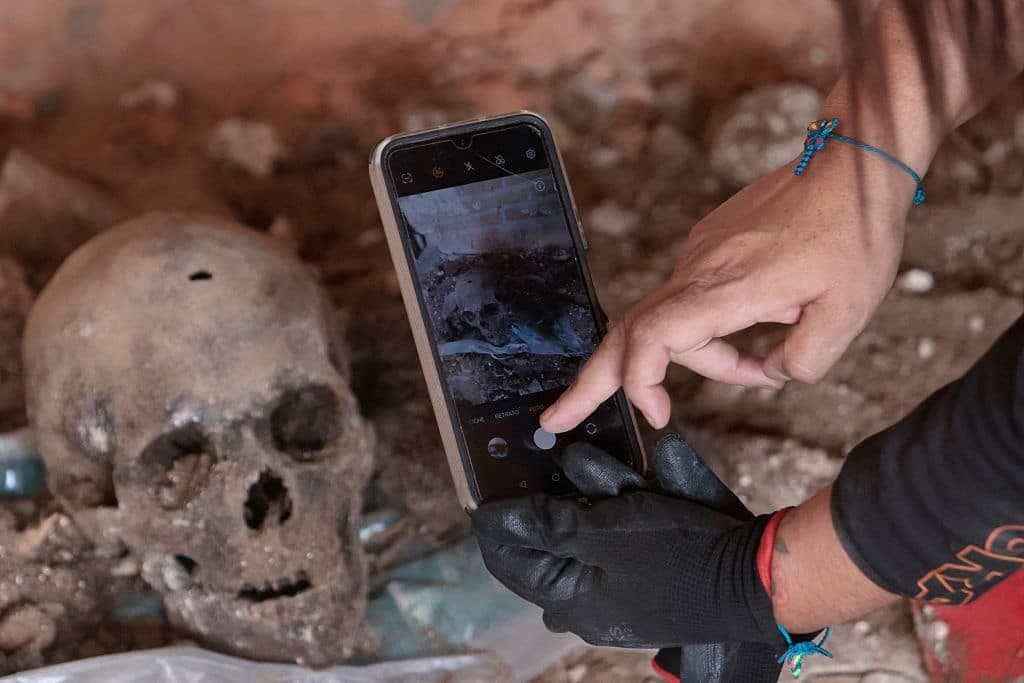 Analysis
The extreme violence behind the international trade in drugs
Simon Caldwell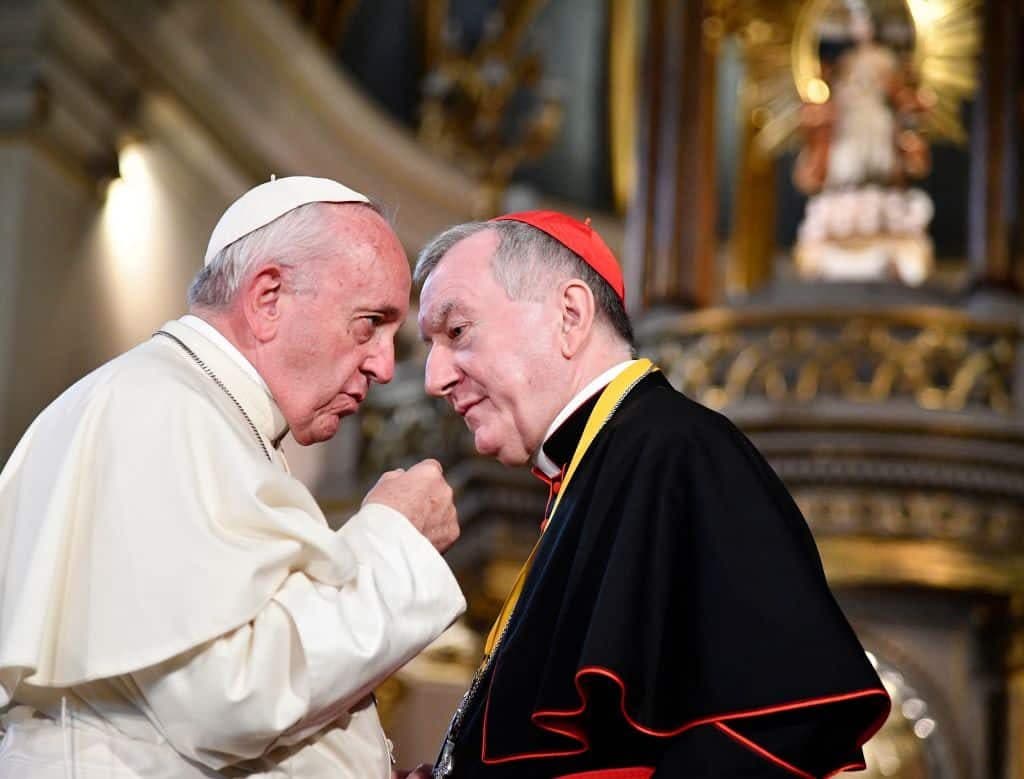 Analysis
Assessing Pope Francis's most controversial decisions
Elise Ann Allen/ Crux Analysis
As Francis marks 12th anniversary of his election in hospital, we should recall his words during first days as Pope
Charles Collins/Crux Analysis
Trump's critics should consider parallels with another German leader
Charles Collins/Crux
subscribe to the catholic herald today
Our best content is exclusively available to our subscribers. Subscribe today and gain instant access to expert analysis, in-depth articles, and thought-provoking insights—anytime, anywhere. Don’t miss out on the conversations that matter most.
Subscribe



