

In a culture increasingly unsettled by boredom or silence, the four-week season of Advent invites us into the spiritual discipline of watchful and hopeful waiting, insisting that we were made for more than constant stimulation. But now that we carry, in our pockets, devices specifically engineered to colonise our attention — offering endless scrolls through social media, instant notifications, or quick games to fill every idle moment — boredom has become optional. Yet neuroscience tells a different story.
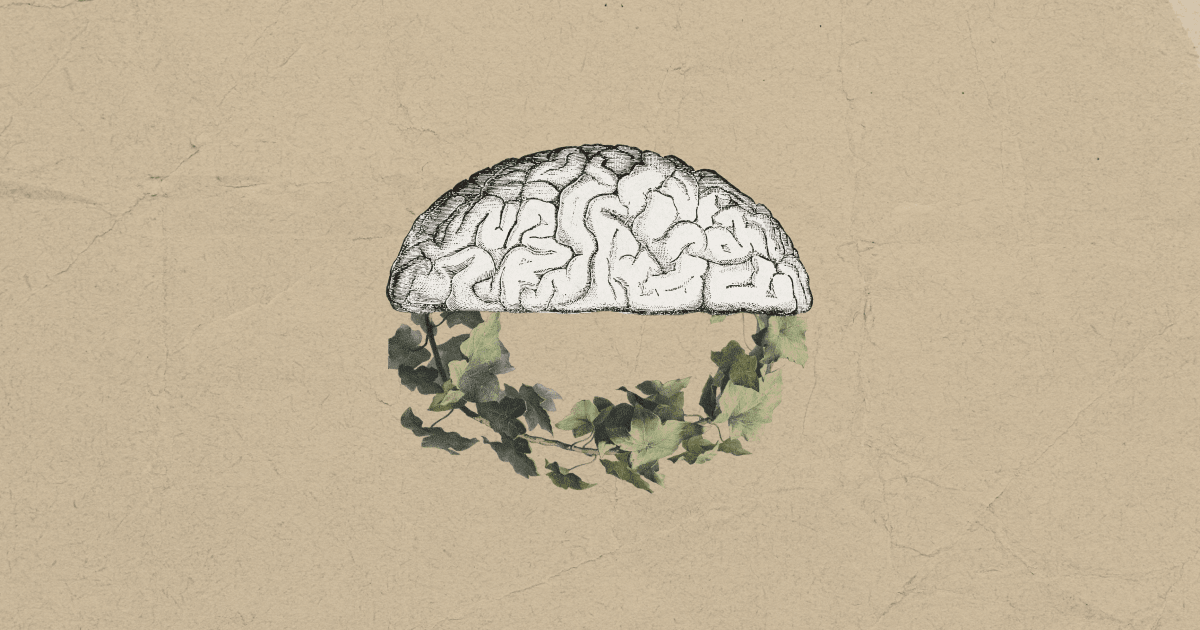
When we are bored (truly bored, without reaching for a digital device), our brains enter what researchers call the default mode network (DMN) — the set of brain regions that switches on when we’re not focused on a task. Far from being “idle,” this DMN is heavily involved in self-reflection, autobiographical memory and emotional processing.
By eliminating boredom from our lives, turning every pause into a swipe, every silence into a sound, we have accidentally eliminated the very conditions that help us construct meaning and find purpose. While we may like to believe we’re in control of our screens, the data suggest we are quietly being rewired.
And we see the consequences. A 2022 review published in Developmental Neuropsychology showed that there is an association between screen time and attention problems, with children who spend heavy time on screens exhibiting more attention difficulties and struggling with unstructured time. And adults are no better. Our minds knot themselves around constant input, feeling uneasy during even a few minutes of stillness.
Just last month, a series of neuroscience papers made headlines for describing a strange phenomenon: “mind blanking.” Periods when the brain temporarily shuts down higher-order activity in a way that resembles deep sleep. Researchers suggested this may be the brain’s forced response to overstimulation in modern life — a micro-rest when we’ve pushed our mental system beyond what it can sustain.
We are living in an age of instant gratification and novelty. We struggle to stand in a queue, wait at a bus stop or stare out of a window without external stimulation. Most of us listen to music in the car, consume podcasts while walking the dog, and watch a YouTube video while we brush our teeth. Our culture treats waiting as a design flaw, the enemy of hyper-productivity where every empty second must be filled. Sometimes we even attempt to cheat time by speed-watching our favourite shows or listening to audiobooks on x2.
But God did not design us for constant noise. Christian tradition has always understood (and lived) what modern research is now rediscovering: that silence and waiting are essential for the soul's depth, fostering prayer, discernment and awe amid the distractions of life. Advent is the Church’s liturgical micro-break for our interior lives, a season built on waiting and stillness during the noisiest, most overstuffed month of the year.
Think about it. In a world obsessed with instant gratification, where we speed through life to avoid even a moment's pause, the Blessed Virgin Mary models the very patience our culture flees from. She waited nine hidden months for Our Lord to be formed in her, embracing gestation and obscurity rather than demanding an instant arrival. God Himself chose this slow, unseen unfolding, reminding us that true life — divine incarnation and our own spiritual growth — cannot be rushed or cheated with novelty. And now, the Church echoes this holy waiting, preparing for His coming again.
Catholic anthropology tells us we are made in the image of God, who is in constant communion — Father, Son and Holy Spirit — ordering us as much towards contemplation as to action. And when God implemented the Sabbath, He confirmed that we were not built for perpetual stimulation but for attentive presence to God, to others and to reality: “It is good that one should wait quietly for the salvation of the Lord,” says Lamentations (3:26). Waiting is not a design flaw in the spiritual life. It is part of God’s design.
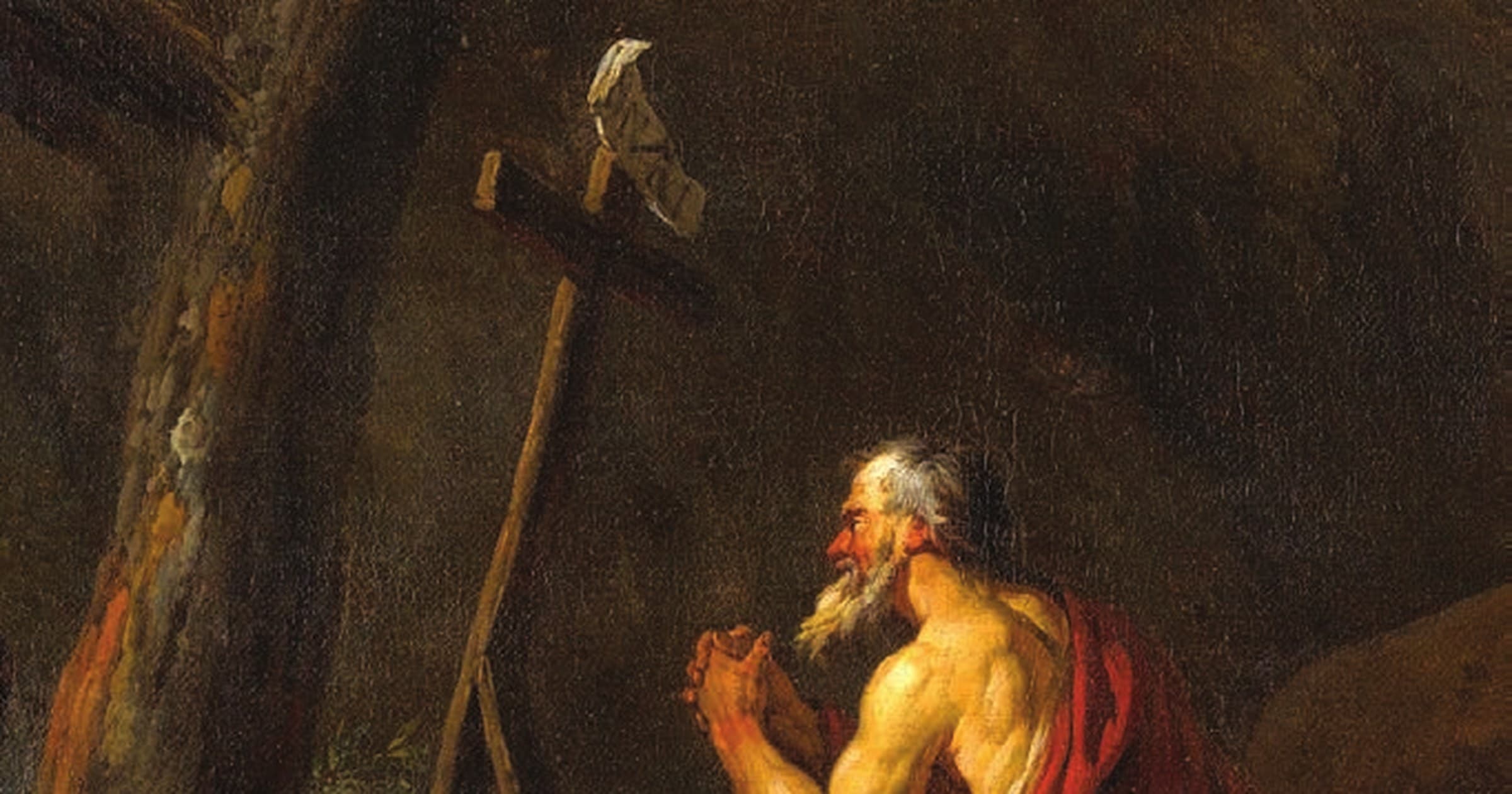
So when we eliminate every scrap of boredom, we are not just resisting discomfort; we are starving the very faculties that make prayer, discernment and awe possible. Psychologists are rediscovering something the saints always knew: boredom, in healthy measure, is a gift. St John of the Cross, the sixteenth-century Carmelite mystic, likened this holy boredom to a “dark night” that purges the soul of superficial consolations, inviting us to trade fleeting distractions for the enduring light of divine intimacy.
While phone-free mornings might feel like the obvious fix, this hustle culture has seeped even into our sacred spaces. Stillness is becoming a lost art even in the church, with Adoration turning into another moment to “accomplish” something for God rather than simply be with Him, filled with “productive” spiritual reading or journalling to Jesus.
My challenge to you, dear reader — as much as to myself — is to reclaim stillness: to sit before the Blessed Sacrament with an open heart, to wait silently in a supermarket queue, to notice your thoughts, the people around you and the world God has gifted us, allowing yourself a moment of intentional rest.
When we allow ourselves to be bored, we become attentive. We begin to notice the world again: the light on the trees, the sound of footsteps, the quiet movements of grace. Without constant input, our minds rediscover curiosity and creativity. We become grounded in reality rather than in distraction. And, most importantly, silence makes space for God’s voice to be heard.
So think of Advent as the Church’s unintentional annual intervention. A four-week spiritual detox from urgency, stimulation and noise. A sanctified slowdown we need to bring into our daily lives. And to celebrate Advent authentically, we must resist the cultural tide that demands constant entertainment and instant results. We must practise waiting.
This year, let Advent be your rebellion against the tyranny of the urgent. Let it retrain your brain to rest. Let it reopen the quiet room inside you where Christ longs to be born. Because it is in the quiet, in the pause, in the waiting that Christ comes.