
March 5, 2026

Women’s magazines are narrowing the space for dissent

Delphine Chui
More
Related
Min read
share

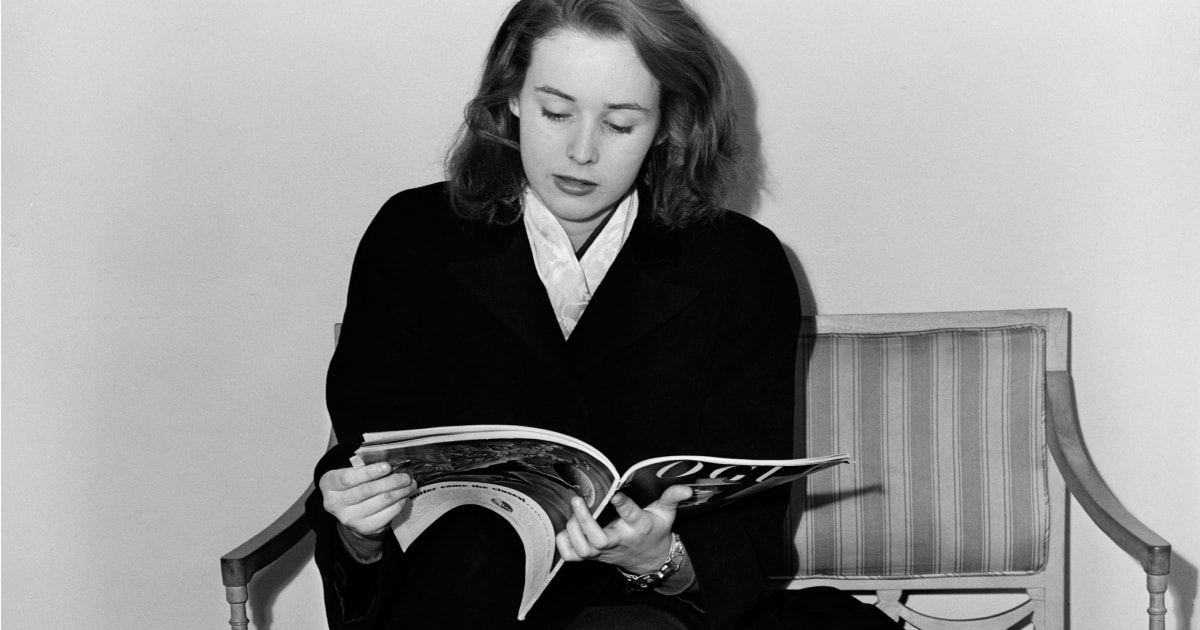
Over the last decade, women’s magazines have undergone a dramatic ideological shift – one that paradoxically leaves women less seen, less safe to speak and less represented. As someone who spent over a decade working in this industry, I have witnessed first-hand how the very spaces that once championed women’s agency have become increasingly hostile towards any woman who diverges from a narrow set of “acceptable” views. I know this because I was pushed out of these spaces for one reason: I am openly pro-life.

Women’s publications – once the breeding ground for plurality of opinion – have become distinctly anti-woman by silencing women who hold traditional or faith-informed views, particularly around motherhood, fertility and the sanctity of life. Today, to express even mild pro-life sentiment is to be deemed incompatible with the new ideological orthodoxy. Many women are learning to self-censor. In my own ignorance, I did not realise I needed to, and I paid the price.

The last Glamour Women of the Year Awards celebrating transwomen is another emblem of this shift. How can magazines claiming to champion women simultaneously erase biological womanhood from their own category? Many women feel this conflict acutely but are afraid to say it, lest they, ironically, be called “anti-woman”.

The folding of Teen Vogue into Vogue.com is another symbol of this wider failure towards women and girls. A magazine created to help young girls navigate adolescence gradually drifted into a hyper-political, often sexually explicit platform. It stopped speaking to teenagers’ real concerns – friendship, self-esteem, school pressures – and instead pushed inappropriate adult ideology onto children.

There was a time when women’s magazines prided themselves on being the loudest advocates for women’s freedoms of expression, of identity and of thought. They claimed to give a platform to female voices, and yet today those same magazines police which women are allowed to speak at all.

I learned this the hard way.

A few years ago, I was thriving as a freelance journalist in the women’s media industry. I wrote for glossy, big-name titles covering fashion, celebrity interviews, food, business and culture. My work ethic was strong, my commissions constant and my relationships with editors warm. I believed I was part of an industry that genuinely celebrated diverse women and diverse viewpoints.

Then I committed an unthinkable crime: I posted a smiling photo of myself at a pro-life event on my Instagram. Within hours, the unfollows began. Editors I had worked with for years quietly vanished. Colleagues I had considered friends disappeared without a single question or conversation. Publications that had commissioned me for over a decade suddenly went silent.

Six months later, an editor admitted what the silence had been saying all along: the publishing house would no longer work with me because my beliefs “went against what their brand stands for”. In other words, the same industry that lectures the world about diversity had no space for my kind of woman: a Christian who believes in the right to life.

My experience is not unique. Increasingly, women in all industries and professional fields tell me privately that they fear sharing even moderate views – about motherhood, fertility, faith, biology or family – because they know the cost of stepping outside the narrow bounds of approved opinions. The lived reality of being a woman – menstruation, childbirth, maternal risk, menopause and the lifelong pressures that accompany female embodiment – should never be sidelined in favour of inclusivity branding or supposed progressiveness.

Women’s magazines once fought for women’s categories in sport, work and culture. Today, some celebrate the erosion of those categories, changing the women’s media landscape into one that no longer reflects women. Ideology dressed up as empowerment is not empowerment.

This is not diversity; it is discrimination. The UK’s Equality Act 2010 is clear: religion and philosophical belief are protected characteristics. No employee should be punished for holding or expressing them. And yet viewpoint discrimination is becoming an open secret in modern media workplaces. Women like me are not being “disagreed with”; we are being professionally erased. Not for poor performance, not for misconduct, but for failing to conform.

When women who believe in biology, motherhood or the right to life are excluded from women’s publications, what does that say about the future of these titles – and the future of womanhood itself? Real progress demands real diversity, including diversity of belief.

I survived my own cancellation, rebuilt my confidence and now work in a space that champions the very rights I had stripped from me: freedom of speech, freedom of conscience and the right to life. But I think often about the women still inside that world who are one Instagram post away from losing their livelihood.

If secular women’s magazines truly care about women, they must make space for all of us: the liberal, the conservative, the pro-choice and the pro-life; those who believe gender identity is fluid and those who believe biological sex matters profoundly.

If journalism is to be democratic, and if women are to be genuinely empowered, editors must be brave enough to let women disagree, debate and voice unpopular opinions – not to win arguments, but to share knowledge and open the world to us all.

Over the last decade, women’s magazines have undergone a dramatic ideological shift – one that paradoxically leaves women less seen, less safe to speak and less represented. As someone who spent over a decade working in this industry, I have witnessed first-hand how the very spaces that once championed women’s agency have become increasingly hostile towards any woman who diverges from a narrow set of “acceptable” views. I know this because I was pushed out of these spaces for one reason: I am openly pro-life.

Women’s publications – once the breeding ground for plurality of opinion – have become distinctly anti-woman by silencing women who hold traditional or faith-informed views, particularly around motherhood, fertility and the sanctity of life. Today, to express even mild pro-life sentiment is to be deemed incompatible with the new ideological orthodoxy. Many women are learning to self-censor. In my own ignorance, I did not realise I needed to, and I paid the price.

The last Glamour Women of the Year Awards celebrating transwomen is another emblem of this shift. How can magazines claiming to champion women simultaneously erase biological womanhood from their own category? Many women feel this conflict acutely but are afraid to say it, lest they, ironically, be called “anti-woman”.

The folding of Teen Vogue into Vogue.com is another symbol of this wider failure towards women and girls. A magazine created to help young girls navigate adolescence gradually drifted into a hyper-political, often sexually explicit platform. It stopped speaking to teenagers’ real concerns – friendship, self-esteem, school pressures – and instead pushed inappropriate adult ideology onto children.

There was a time when women’s magazines prided themselves on being the loudest advocates for women’s freedoms of expression, of identity and of thought. They claimed to give a platform to female voices, and yet today those same magazines police which women are allowed to speak at all.

I learned this the hard way.

A few years ago, I was thriving as a freelance journalist in the women’s media industry. I wrote for glossy, big-name titles covering fashion, celebrity interviews, food, business and culture. My work ethic was strong, my commissions constant and my relationships with editors warm. I believed I was part of an industry that genuinely celebrated diverse women and diverse viewpoints.

Then I committed an unthinkable crime: I posted a smiling photo of myself at a pro-life event on my Instagram. Within hours, the unfollows began. Editors I had worked with for years quietly vanished. Colleagues I had considered friends disappeared without a single question or conversation. Publications that had commissioned me for over a decade suddenly went silent.

Six months later, an editor admitted what the silence had been saying all along: the publishing house would no longer work with me because my beliefs “went against what their brand stands for”. In other words, the same industry that lectures the world about diversity had no space for my kind of woman: a Christian who believes in the right to life.

My experience is not unique. Increasingly, women in all industries and professional fields tell me privately that they fear sharing even moderate views – about motherhood, fertility, faith, biology or family – because they know the cost of stepping outside the narrow bounds of approved opinions. The lived reality of being a woman – menstruation, childbirth, maternal risk, menopause and the lifelong pressures that accompany female embodiment – should never be sidelined in favour of inclusivity branding or supposed progressiveness.

Women’s magazines once fought for women’s categories in sport, work and culture. Today, some celebrate the erosion of those categories, changing the women’s media landscape into one that no longer reflects women. Ideology dressed up as empowerment is not empowerment.

This is not diversity; it is discrimination. The UK’s Equality Act 2010 is clear: religion and philosophical belief are protected characteristics. No employee should be punished for holding or expressing them. And yet viewpoint discrimination is becoming an open secret in modern media workplaces. Women like me are not being “disagreed with”; we are being professionally erased. Not for poor performance, not for misconduct, but for failing to conform.

When women who believe in biology, motherhood or the right to life are excluded from women’s publications, what does that say about the future of these titles – and the future of womanhood itself? Real progress demands real diversity, including diversity of belief.

I survived my own cancellation, rebuilt my confidence and now work in a space that champions the very rights I had stripped from me: freedom of speech, freedom of conscience and the right to life. But I think often about the women still inside that world who are one Instagram post away from losing their livelihood.

If secular women’s magazines truly care about women, they must make space for all of us: the liberal, the conservative, the pro-choice and the pro-life; those who believe gender identity is fluid and those who believe biological sex matters profoundly.

If journalism is to be democratic, and if women are to be genuinely empowered, editors must be brave enough to let women disagree, debate and voice unpopular opinions – not to win arguments, but to share knowledge and open the world to us all.

subscribe to
the catholic herald

Continue reading your article with a subscription.
Read 5 articles with our free plan.
Subscribe

subscribe to the catholic herald today

Our best content is exclusively available to our subscribers. Subscribe today and gain instant access to expert analysis, in-depth articles, and thought-provoking insights—anytime, anywhere. Don’t miss out on the conversations that matter most.
Subscribe