


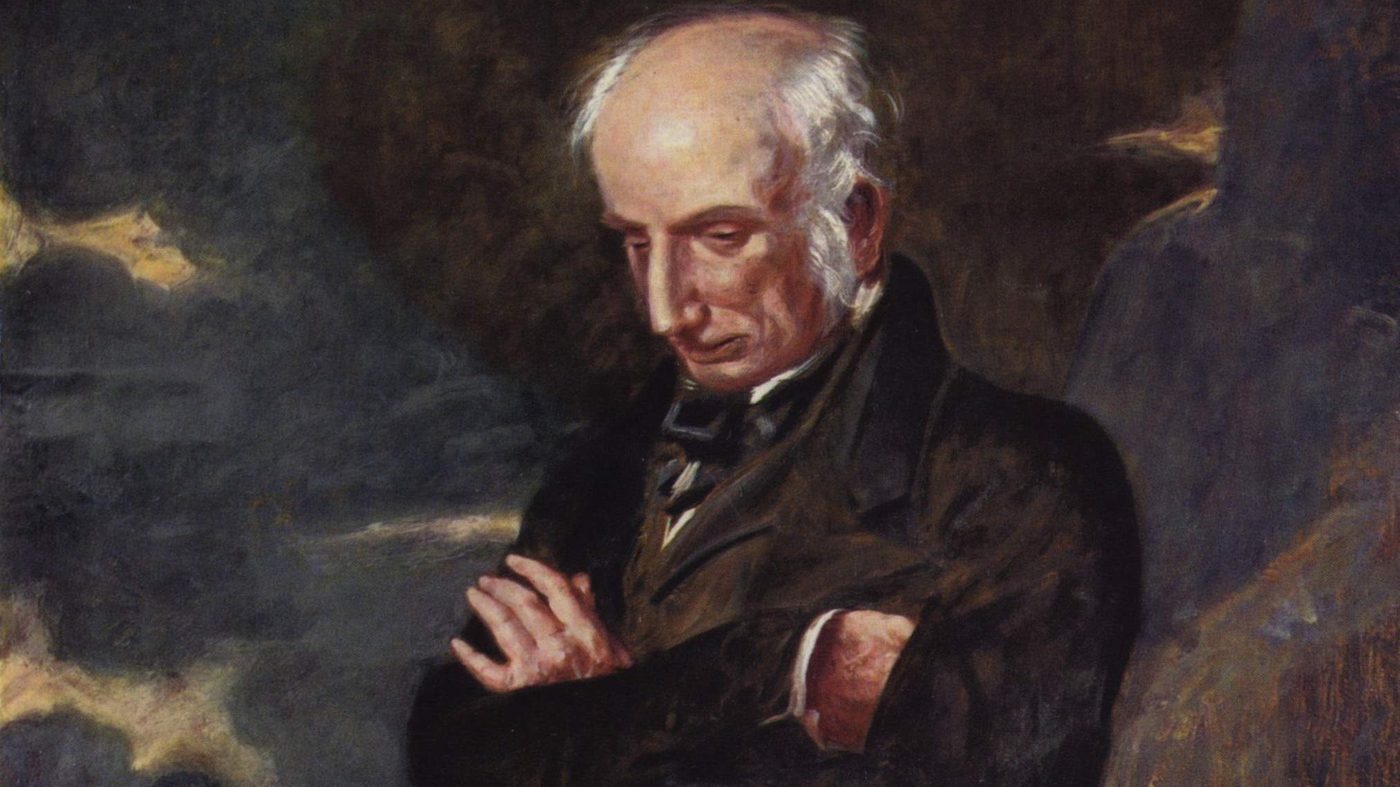
William Wordsworth’s 250th birthday has been highly anticipated in many circles, with plans for rambles, radio broadcasts and readings everywhere from Cambridge to Cockermouth. Yet it passed on April 7 relatively unremarkably amid the current epidemiological and economic crisis. The peak of the celebrations was to be the Wordsworth Trust’s reopening of a remodelled Dove Cottage, the poet’s beautifully humble home in the Lake District village of Grasmere. After its delayed launch, this new centre, library and archive will serve as a showcase for tourists, schoolchildren and scholars not just of the poet and his circle, but of Cumbria’s ecological and cultural significance. But it will have to remain unvisited a little longer. While regrettable, there is nevertheless something fitting to these disappointments in commemorating Wordsworth. One of the most famous passages in his autobiographical epic, The Prelude, is about a much-anticipated mountain climb that ended anticlimactically. Only during his descent does he realise that he had missed out on his planned peak experience after unknowingly crossing the Alps. In a much shorter poem about a Scottish holiday, Wordsworth again chose to focus on how he left the sights and sounds of Yarrow Water “unvisited”. In these days of universal “missing out”, such Wordsworthian episodes of disappointed expectations can provide some solace. Still, it is appropriate to mark the milestone of 250 years. One of Wordsworth’s most recognised poems, “Tintern Abbey”, is made from a memorial. Its full title is: “Lines Written a Few Miles above Tintern Abbey: On Revisiting the Banks of the Wye During a Tour, July 13, 1798”. Its blank verse meditation begins with an important personal anniversary:
2:05 PM
Wordsworth’s search for the sacred has influenced many Christians
Michael Tomko

10 min read



Already a subscriber? Sign in
5freearticles every month
Continue reading with a free account. No card needed.
- Five free articles every thirty days, on any device you sign in on
- The Catholic Herald newsletter, every morning
- Subscribe whenever you like for everything: every article and the magazine




subscribe to the catholic herald today
Our best content is exclusively available to our subscribers. Subscribe today and gain instant access to expert analysis, in-depth articles, and thought-provoking insights—anytime, anywhere. Don’t miss out on the conversations that matter most.
Subscribe



