

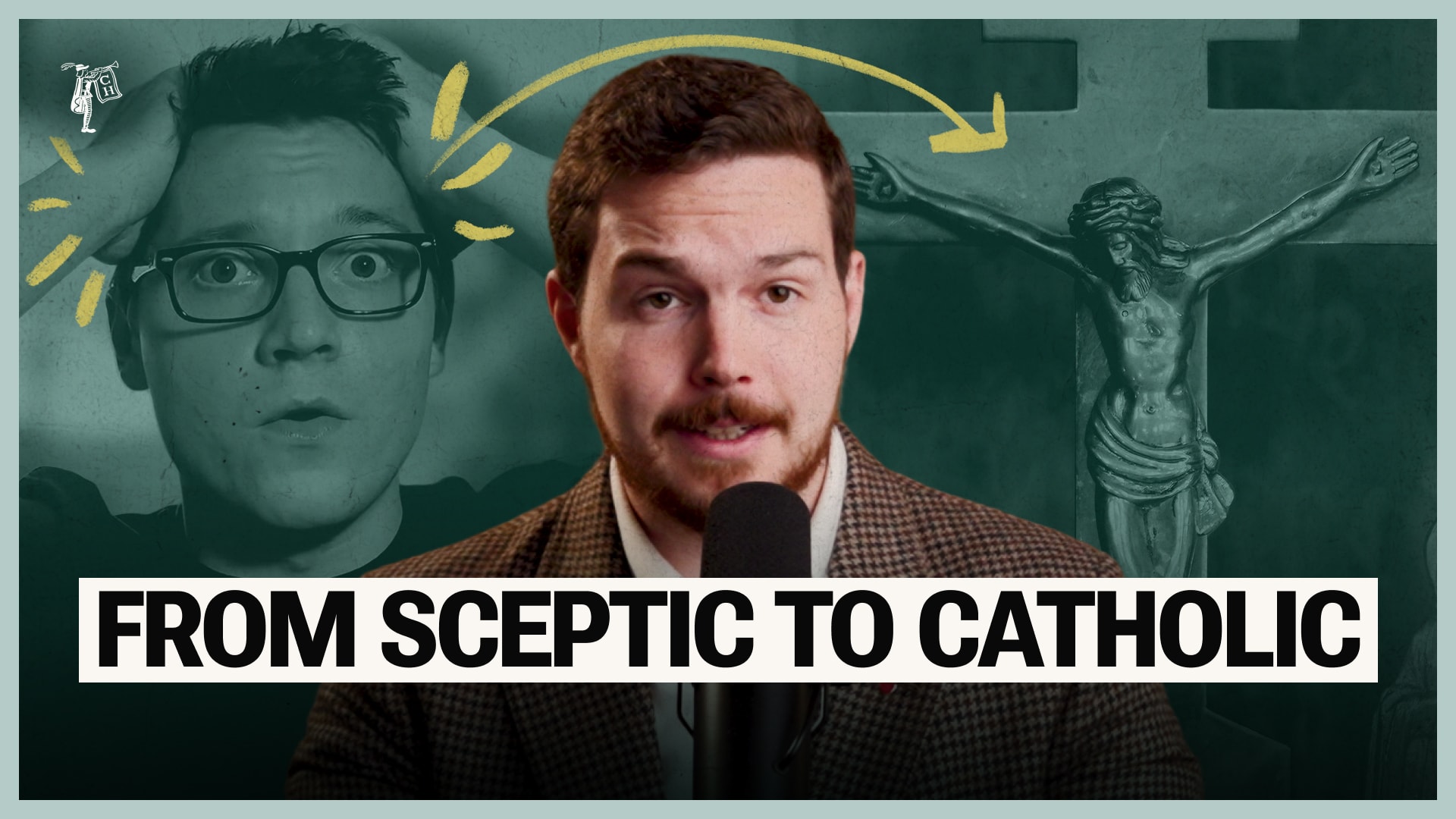
This week's David Hahn Show opens with a conversion story few saw coming. Joe Schmid, a Princeton philosophy PhD student best known for his Majesty of Reason YouTube channel, announced on Saturday that he had returned to the Catholic Church after years spent rigorously challenging arguments for God's existence and classical theism. Catholic philosopher Patrick Flynn, who had spent years responding to Schmid's objections, said he was "overjoyed" that the man most often cited to him as a reason not to become Catholic had now become Catholic himself, while fellow debater Caleb Jackson called Schmid "amongst the most well respected and intellectually honest thinkers currently engaged in the God debate." Schmid has said his own investigation into Catholic miracle claims, including those associated with Fatima, Zeitoun and Padre Pio, played a significant role in his decision. His announcement lands alongside wider signs of religious movement on American campuses: a Hallow survey of around 60 colleges and universities found OCIA participation had grown by an average of 115 per cent in the past academic year.
9:00 PM
YouTuber converts, Leo says West has lost freedom and the UK bars Christian MP
David Hahn on a YouTube philosopher's shock conversion, Pope Leo's warning on freedom, the Lindsay Clancy trial and Britain barring a Finnish MP
The Catholic Herald

4 min read



Already a subscriber? Sign in
5freearticles every month
Continue reading with a free account. No card needed.
- Five free articles every thirty days, on any device you sign in on
- The Catholic Herald newsletter, every morning
- Subscribe whenever you like for everything: every article and the magazine
Related articles
 Featured Articles
The Week in Review: Death penalty debate, Drumcree and Anthropic
This week saw fresh calls for understanding in Northern Ireland, legal action over clergy access to immigration detainees and debate over the Sunday obligation at a Traditional Latin Mass
The Catholic Herald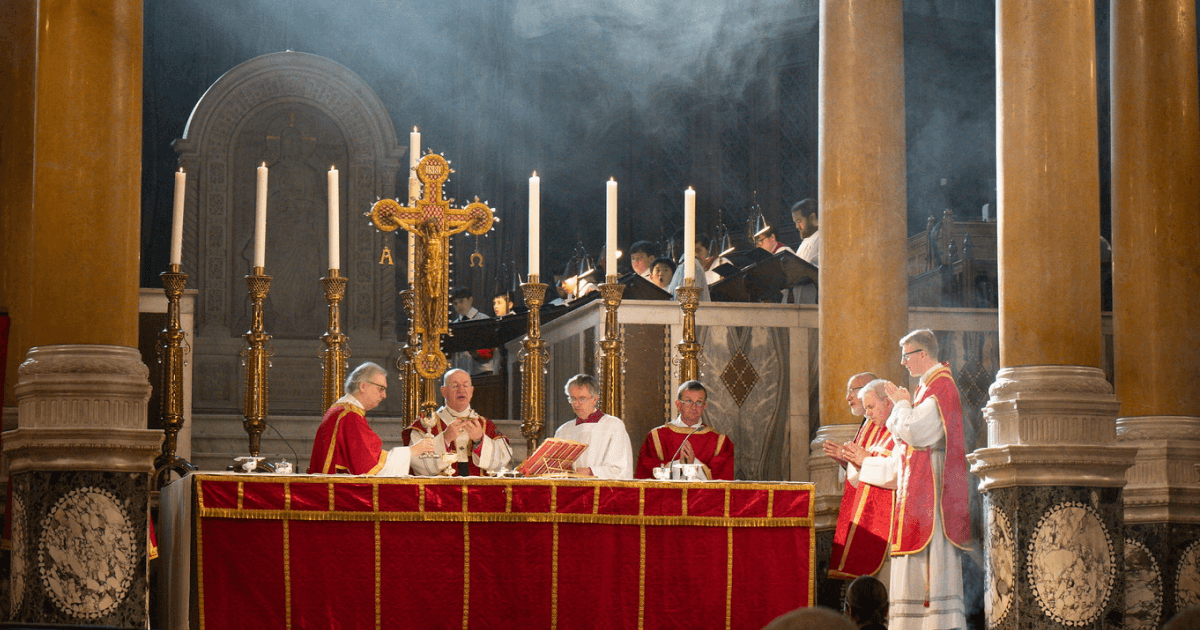 Featured Articles
In Pictures: Red Mass at Westminster Cathedral opens new legal year
The Catholic Herald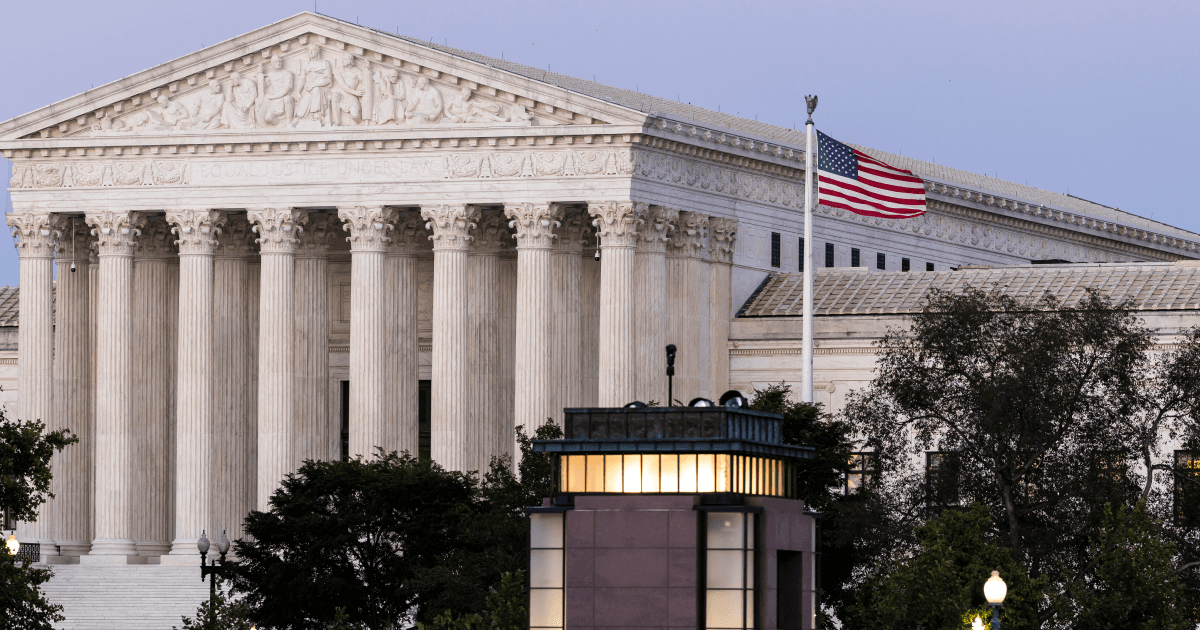 Featured Articles
The Week Ahead: Vatican documents, Supreme Court term, Eucharistic procession
The Catholic Herald Featured Articles
The Week in Review: Drumcree, Christa Pike and the Moscow visit
The Catholic Herald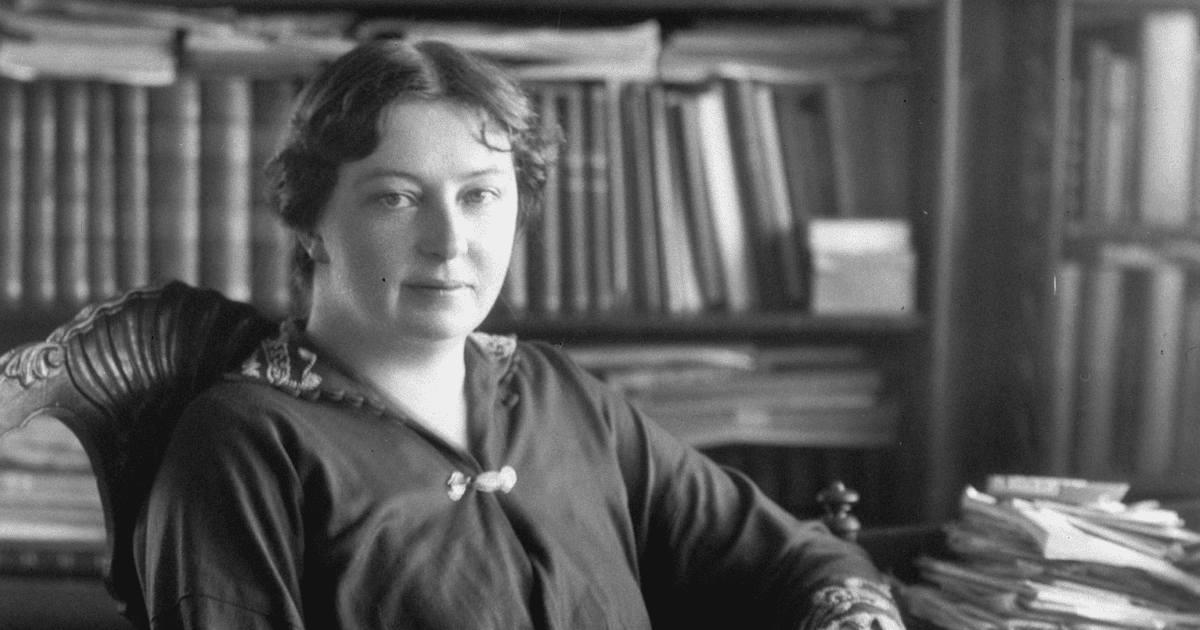 Long Read
Nobel-winning novelist – and Norway’s next saint?
Christopher Akers
subscribe to the catholic herald today
Our best content is exclusively available to our subscribers. Subscribe today and gain instant access to expert analysis, in-depth articles, and thought-provoking insights—anytime, anywhere. Don’t miss out on the conversations that matter most.
Subscribe



