
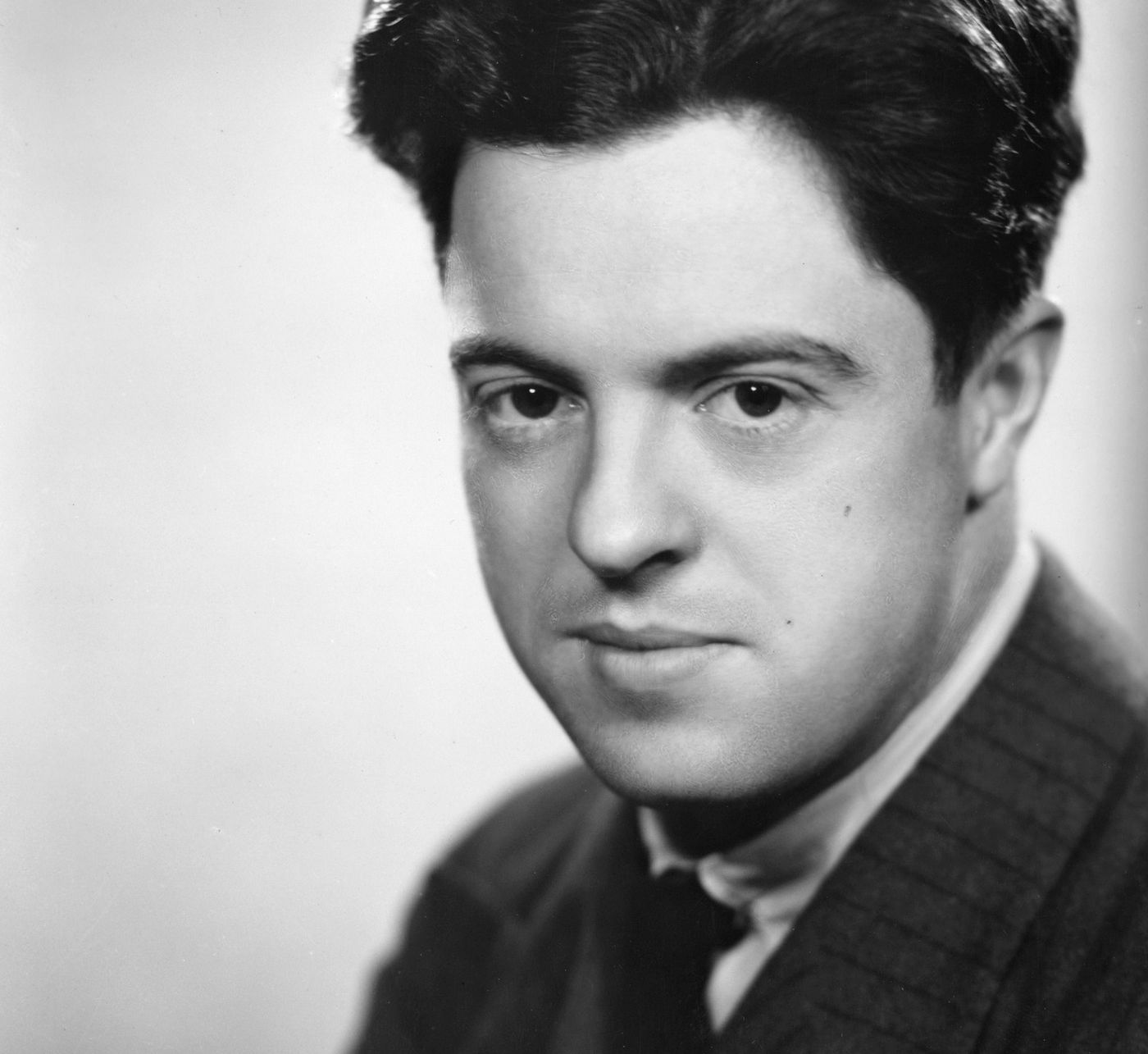



The British composer George Lloyd, who died more than 20 years ago, remains a neglected figure. He had the misfortune to live through the post-war period, when modernist experimentation became the prevailing fashion and composers like him, who believed in writing lyrical music in traditional forms, were often derided. The experience was especially painful because in the 1930s Lloyd had been hailed as a prodigy and a worthy successor to Sir Edward Elgar.
In 1934, aged just 21, Lloyd had composed a Celtic opera, Iernin, which received praise from Ralph Vaughan Williams and Sir Thomas Beecham. But when war broke out in 1939, Lloyd abandoned his creative life and joined the Royal Marines. In 1942, while on duty protecting wartime supplies across the Arctic, he was involved in a horrific accident. His ship, the HMS Trinidad, accidentally torpedoed itself, resulting in injuries which his doctors believed would leave him a physical and nervous wreck for the rest of his life. There was little likelihood of Lloyd ever composing again. But his wife, Nancy, had other ideas, taking him into her full-time care and initiating a series of unusual treatments, including hypnosis, positive thinking, homeopathy and strict diets.