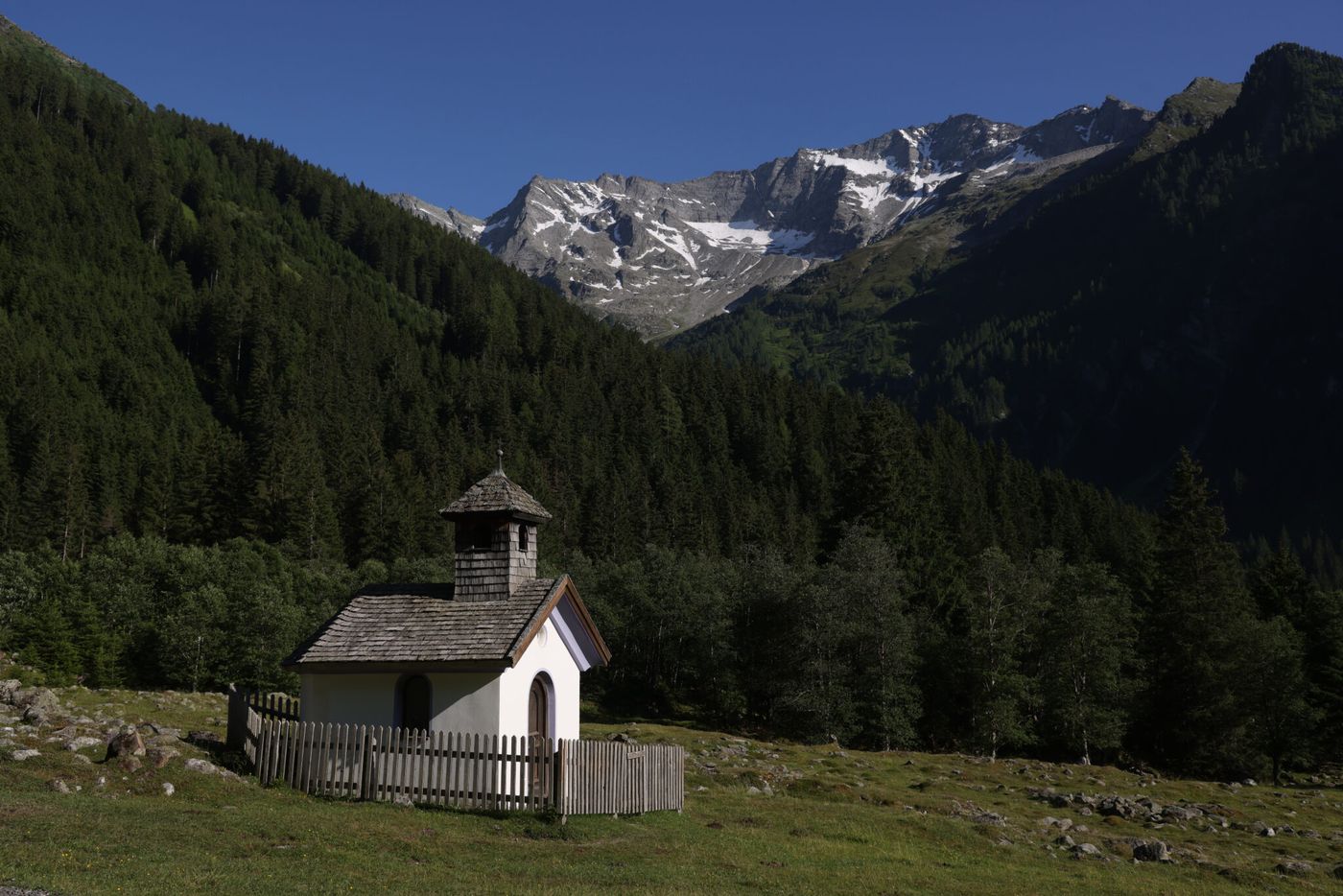
The current appreciation of El Camino, the pilgrim route to Santiago de Compostela, is the climb of the Pyrenees from south-west France and the descent towards journey’s end at the shrine of St James the Great. But that is, and always has been, for the majority only the last leg. In the Middle Ages Compostela ranked beside Rome as the great devotional pilgrimage whether the pilgrim set out from Britain, Scandinavia, northern or eastern Europe. If from eastern Europe the pilgrim would cross Austria to reach Switzerland and then France. If from what is now Slovakia he would cross the Danube at Bratislava and walk steadily eastwards on the High Road to reach the Swiss border at Feldkirch. If from Hungary he might enter Austria close to Gratz and turn south to reach the Drau in what is now Slovenia, and then follow its course westwards to its source in Sud Tyrol. The Reinz would then lead him on to the Brenner Pass, descending to join the High Road in Innsbruck. If from what is now the Czech Republic or from eastern Bavaria he would join the Inn at Passau and follow it south via Kufstein, again to join the High Road at Innsbruck. A variant runs from Passau to join the High Road at Salzburg. So within the bounds of historic Austria (Austria before the reprisals of the Great War) there were three distinct Austrian ways feeding into the Austrian High Road to Compostela.
11:30 AM
A Divided Heart: how the pilgrim paths through Austria led me into the Church
the current appreciation of el camino , the pilgrim route to santiago de compostela, is the climb of the pyrenees from south-west france and...
Mathew Thorpe

7 min read



Already a subscriber? Sign in
5freearticles every month
Continue reading with a free account. No card needed.
- Five free articles every thirty days, on any device you sign in on
- The Catholic Herald newsletter, every morning
- Subscribe whenever you like for everything: every article and the magazine

subscribe to the catholic herald today
Our best content is exclusively available to our subscribers. Subscribe today and gain instant access to expert analysis, in-depth articles, and thought-provoking insights—anytime, anywhere. Don’t miss out on the conversations that matter most.
Subscribe