

April 7, 2026

14,000 register in first day for 2026 Paris–Chartres pilgrimage

The Catholic Herald
More
Related
Min read
share

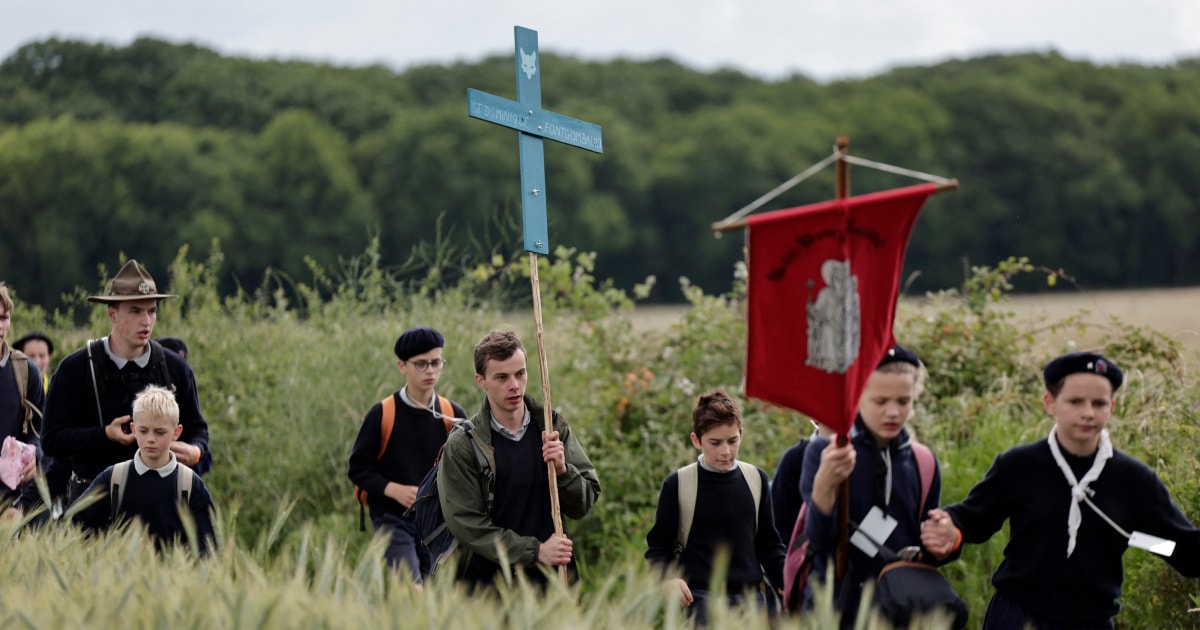
Fourteen thousand people registered on the first day that applications opened for the 2026 Paris–Chartres pilgrimage.

The annual Pentecost pilgrimage, organised by Notre-Dame de Chrétienté, will take place from May 23 to 25 and is expected to draw close to 20,000 participants walking from Paris to Chartres. The surge in registrations continues a steady rise in attendance in recent years, with around 18,000 pilgrims taking part in 2024, up from 16,000 in 2023, and approximately 19,000 in 2025.

Registrations for the 2026 edition opened at 3am on Palm Sunday. Within 24 hours, 14,000 places had been taken. Organisers have indicated that capacity is again likely to be reached quickly.

Philippe Darantière, president of Notre-Dame de Chrétienté, welcomed the response but emphasised that attendance figures were not the principal concern. Speaking to Aleteia, he said: “We are delighted, as every year,” but added, “that’s not the most important thing. What’s essential for us is seeing so many Catholics come together to draw closer to grace and thus contribute to spreading the Gospel message.”

The 2026 pilgrimage has been placed under a missionary theme, with the aim of encouraging participants not only to undertake a penitential pilgrimage to Chartres but also to return home with a renewed commitment to evangelisation. The theme for this year’s walk is: “You will be my witnesses to the ends of the earth.”

Organisers have sought to reinforce this emphasis through practical measures. Tens of thousands of copies of the book Be Rational, Become Catholic by 27-year-old French philosopher Matthieu Lavagna are to be distributed to pilgrims, while those leading the walking groups, known as chapter leaders, have received training focused on mission. Darantière said the intention is “not simply a matter of offering pilgrims a time of personal spiritual renewal, but of providing them with concrete means to engage in mission work”.

The pilgrimage continues to attract a notably young demographic. Around half of participants are under the age of 30, and organisers have pointed to the presence of catechumens and newly baptised Catholics among those taking part. Darantière described this as “a phenomenon that should give us pause” and said it should invite Catholics “to increase our efforts in spreading the Gospel message”.

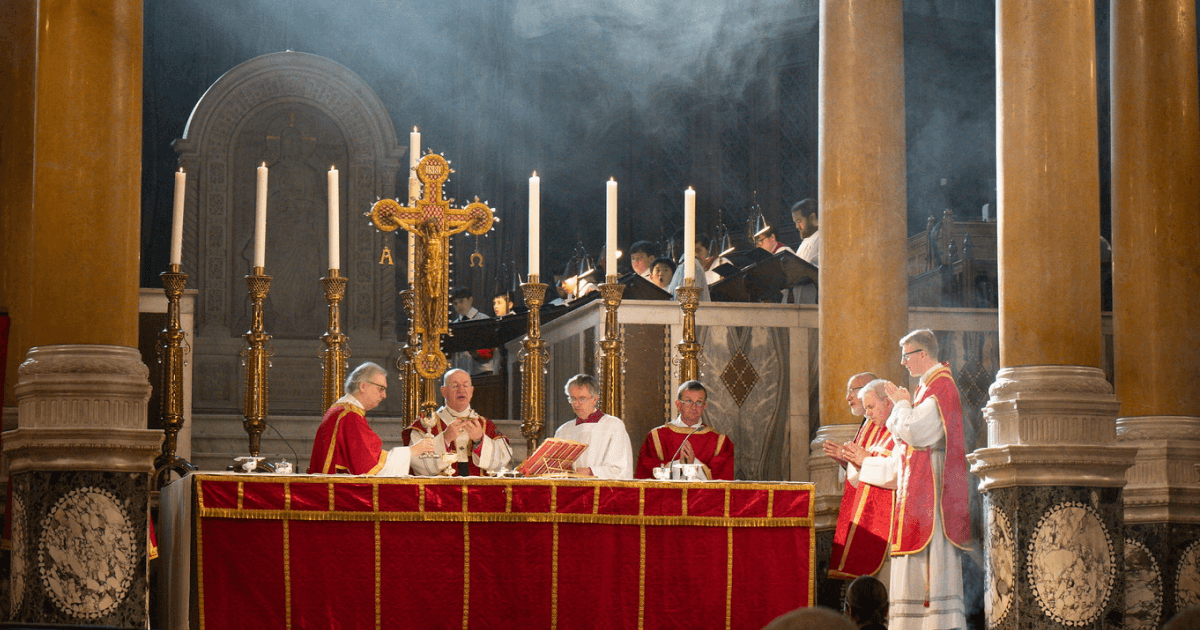
According to the organisers, some of these younger participants first encountered the Catholic faith through the Traditional Latin Mass, which is a defining feature of the pilgrimage. Darantière said: “These are young people who entered the Church through the Traditional Latin Mass. There is a responsibility to be assumed here: our liturgy is attractive, it is missionary, even for people who, initially, are not believers.”

In response to the growing and increasingly varied profile of participants, a new option has been introduced for 2026. Known as the “Jerusalem Route”, it is shorter than the traditional 100-kilometre walk, covering around 70 kilometres at a more moderate pace. The route is intended for those unable to complete the full distance, including older pilgrims, families with young children and those with health constraints. Like the main route, it will conclude in Chartres, allowing all participants to join in the final stages.

Organisers said the addition of the route, along with the creation of new campsites, is designed to make the pilgrimage more accessible while maintaining its character. The aim is to allow a wider range of the faithful to take part in the walk to Chartres.

The Paris–Chartres pilgrimage takes place annually at Pentecost and follows a route of roughly 62 miles between Notre-Dame in Paris and the cathedral at Chartres. More than 14,000 Catholics walked the route in 2019, and numbers have continued to increase since the resumption of large-scale events in recent years.

Although the modern form of the pilgrimage dates from its revival in 1983, the route itself has much older origins. Chartres has been a place of pilgrimage since the Middle Ages and became one of the most important destinations in Europe by the 12th century, largely due to the presence of the Sancta Camisa, believed to be a garment associated with the Virgin Mary.

In the 20th century, the route was notably kept alive by the French poet Charles Péguy, who made the journey on foot as part of his unconventional approach to the Faith. After a period of decline in the 1960s, the pilgrimage was revived by traditionalist Catholics.

Furthermore, since 1988, the Society of Saint Pius X has organised a separate pilgrimage which goes from Chartres to Paris called Le Pèlerinage de Tradition (Pilgrimage of Tradition), which also takes place over Pentecost weekend. The Society’s pilgrimage does not include Holy Mass inside the cathedral, but rather makes use of the gardens of the Bishop’s Palace, just behind the cathedral.

Fourteen thousand people registered on the first day that applications opened for the 2026 Paris–Chartres pilgrimage.

The annual Pentecost pilgrimage, organised by Notre-Dame de Chrétienté, will take place from May 23 to 25 and is expected to draw close to 20,000 participants walking from Paris to Chartres. The surge in registrations continues a steady rise in attendance in recent years, with around 18,000 pilgrims taking part in 2024, up from 16,000 in 2023, and approximately 19,000 in 2025.

Registrations for the 2026 edition opened at 3am on Palm Sunday. Within 24 hours, 14,000 places had been taken. Organisers have indicated that capacity is again likely to be reached quickly.
Philippe Darantière, president of Notre-Dame de Chrétienté, welcomed the response but emphasised that attendance figures were not the principal concern. Speaking to Aleteia, he said: “We are delighted, as every year,” but added, “that’s not the most important thing. What’s essential for us is seeing so many Catholics come together to draw closer to grace and thus contribute to spreading the Gospel message.”

The 2026 pilgrimage has been placed under a missionary theme, with the aim of encouraging participants not only to undertake a penitential pilgrimage to Chartres but also to return home with a renewed commitment to evangelisation. The theme for this year’s walk is: “You will be my witnesses to the ends of the earth.”

Organisers have sought to reinforce this emphasis through practical measures. Tens of thousands of copies of the book Be Rational, Become Catholic by 27-year-old French philosopher Matthieu Lavagna are to be distributed to pilgrims, while those leading the walking groups, known as chapter leaders, have received training focused on mission. Darantière said the intention is “not simply a matter of offering pilgrims a time of personal spiritual renewal, but of providing them with concrete means to engage in mission work”.

The pilgrimage continues to attract a notably young demographic. Around half of participants are under the age of 30, and organisers have pointed to the presence of catechumens and newly baptised Catholics among those taking part. Darantière described this as “a phenomenon that should give us pause” and said it should invite Catholics “to increase our efforts in spreading the Gospel message”.

According to the organisers, some of these younger participants first encountered the Catholic faith through the Traditional Latin Mass, which is a defining feature of the pilgrimage. Darantière said: “These are young people who entered the Church through the Traditional Latin Mass. There is a responsibility to be assumed here: our liturgy is attractive, it is missionary, even for people who, initially, are not believers.”

In response to the growing and increasingly varied profile of participants, a new option has been introduced for 2026. Known as the “Jerusalem Route”, it is shorter than the traditional 100-kilometre walk, covering around 70 kilometres at a more moderate pace. The route is intended for those unable to complete the full distance, including older pilgrims, families with young children and those with health constraints. Like the main route, it will conclude in Chartres, allowing all participants to join in the final stages.

Organisers said the addition of the route, along with the creation of new campsites, is designed to make the pilgrimage more accessible while maintaining its character. The aim is to allow a wider range of the faithful to take part in the walk to Chartres.

The Paris–Chartres pilgrimage takes place annually at Pentecost and follows a route of roughly 62 miles between Notre-Dame in Paris and the cathedral at Chartres. More than 14,000 Catholics walked the route in 2019, and numbers have continued to increase since the resumption of large-scale events in recent years.

Although the modern form of the pilgrimage dates from its revival in 1983, the route itself has much older origins. Chartres has been a place of pilgrimage since the Middle Ages and became one of the most important destinations in Europe by the 12th century, largely due to the presence of the Sancta Camisa, believed to be a garment associated with the Virgin Mary.

In the 20th century, the route was notably kept alive by the French poet Charles Péguy, who made the journey on foot as part of his unconventional approach to the Faith. After a period of decline in the 1960s, the pilgrimage was revived by traditionalist Catholics.

Furthermore, since 1988, the Society of Saint Pius X has organised a separate pilgrimage which goes from Chartres to Paris called Le Pèlerinage de Tradition (Pilgrimage of Tradition), which also takes place over Pentecost weekend. The Society’s pilgrimage does not include Holy Mass inside the cathedral, but rather makes use of the gardens of the Bishop’s Palace, just behind the cathedral.

subscribe to
the catholic herald

Continue reading your article with a subscription.
Read 5 articles with our free plan.
Subscribe

subscribe to the catholic herald today

Our best content is exclusively available to our subscribers. Subscribe today and gain instant access to expert analysis, in-depth articles, and thought-provoking insights—anytime, anywhere. Don’t miss out on the conversations that matter most.
Subscribe