




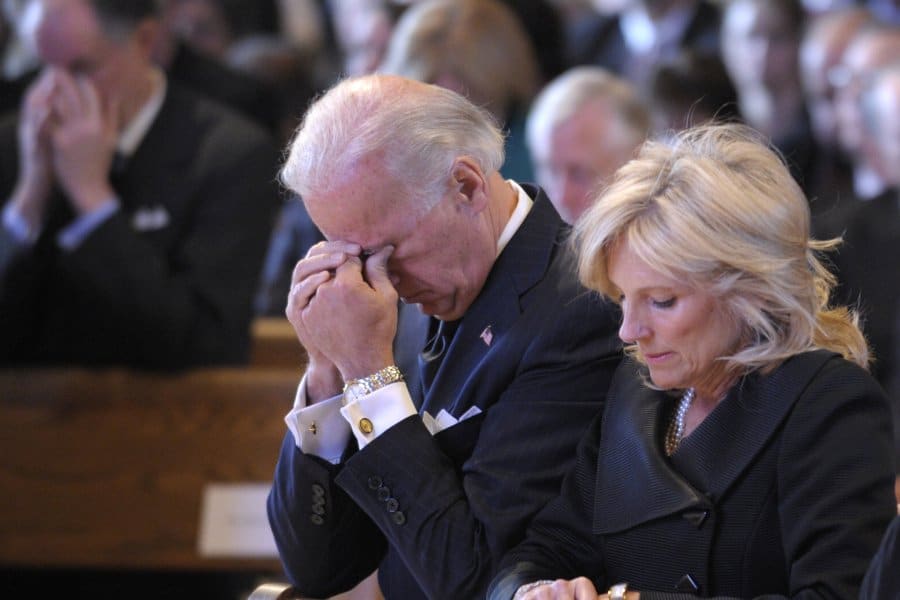
I would not have made the decision that the American Catholic bishops just made. They voted by a three-to-one majority to authorize the drafting of a statement on “on the meaning of the Eucharist in the life of the Church.” It has been reported as having a single, simple political motivation, to bar pro-choice politicians from Communion. Motives are complicated things, but that's simply not true. It is important to put this event into context. This is the next step in a long, painful conversation in the Catholic Church. It’s Church and Eucharist There are two very important elements of Catholic tradition to keep in mind in analyzing the bishop’s decision, one formal, one material. The formal issue at play is ecclesiology, the understanding of the Church. The Catholic Church has a much more complex account of authority and individual conscience than most folks imagine. It has at least as complex an account of how Catholics can and should be involved in the processes of the political bodies of which they are part. In the midst of these issues, though, there is a particular question that has to be answered: if someone identified as a Catholic in good standing has publicly disavowed a settled teaching of the Church, what should the bishops do? What action do those charged with preserving the tradition and the unity of the Church take? Answers Not Obvious The answers are not obvious. Does withholding Communion depend on how important the teaching is in the Church? Or on how vigorously the politicians disavow it? On how publicly they disavow it? Does it matter whether the person is currently a Catholic who is very connected to the Church or walked away from the Church years ago? There are precedents in the Church on all of these questions, but you can see that there's a lot to consider. And part of the worry here involves the knock-on effects. If the bishops don't say or do anything, will they create confusion or weaken the teaching? (It’s possible, after all, to have a teaching “on the books” that has now been called into question.)
7:00 AM
Not Everyone Should Receive: What the Communion Debate's Really About
i would not have made the decision that the american catholic bishops just made. they voted by a three-to-one majority to authorize the draf...
HollyTaylorCoolman

6 min read



Already a subscriber? Sign in
5freearticles every month
Continue reading with a free account. No card needed.
- Five free articles every thirty days, on any device you sign in on
- The Catholic Herald newsletter, every morning
- Subscribe whenever you like for everything: every article and the magazine


subscribe to the catholic herald today
Our best content is exclusively available to our subscribers. Subscribe today and gain instant access to expert analysis, in-depth articles, and thought-provoking insights—anytime, anywhere. Don’t miss out on the conversations that matter most.
Subscribe



