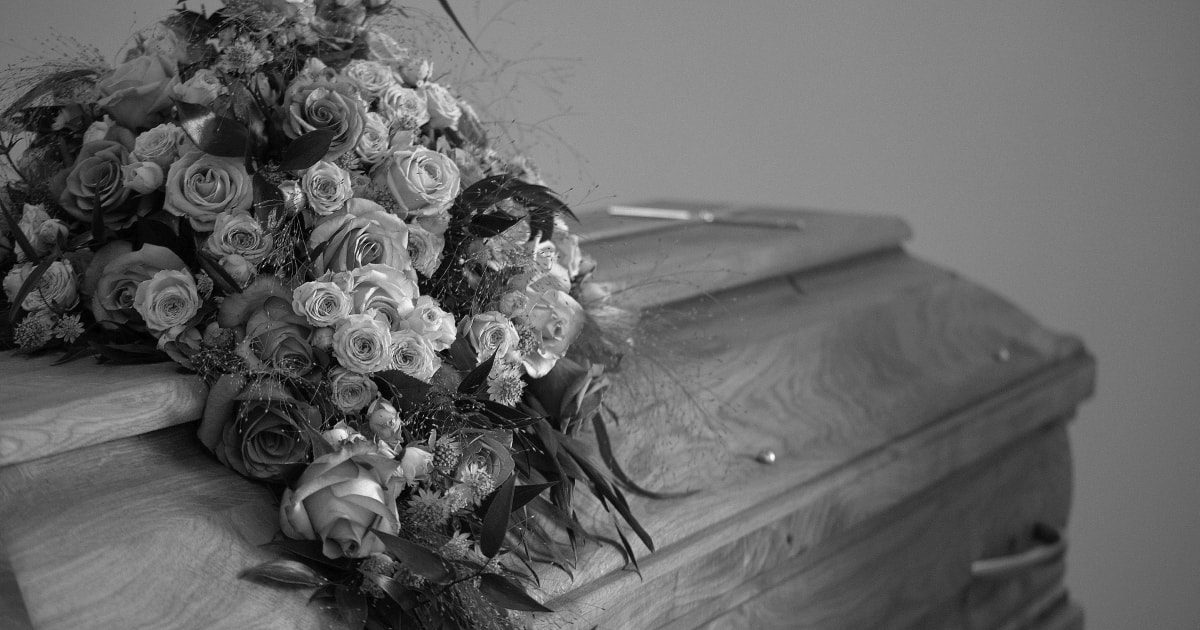
After my father died, I had a dream in which I could hear his voice. I asked him if everything was going to be all right. ‘It will be.’ I have been praying for him.
It is not popular to pray for the dead outside of the Church, and I think it is a great shame. We can debate the merits of Maccabees, but let me rather describe my family experience.
Our children range from toddler to older teenagers. We take time occasionally to pray for the Holy Souls in Purgatory. We sit in silence, and at times the children have specific names pop into their minds – Christian names only – for whom we will pray. We also pray for each other, for the living, the sick, the poor, for the Holy Father’s intentions, the rosary, the Hours, and we get the guitar out for hymns (naturally, not all at once).
What has happened to us since we have prayed for the dead, though, is that death does not seem so unnatural, or far off, and we speak about it more comfortably. The deaths of those around us, which are not uncommon, do not feel awkward to mention. They are, I should note, no less painful.
Death is distressing. We could spend a lot of life pretending it is not there, but we are always contemplating it and attempting to understand it. The Greeks of antiquity would tell stories of mortals’ attempts to interact with gods, and the disasters that befell those who ‘flew too high’. Even zombie films work within the same genre. All great stories are full of grandeur and fatalism. Think about the ongoing interest in HMS Titanic: our self-created accomplishments and misplaced certainties which must, we know, come to calamity when the story is over.
Moving through the Paschal feast towards Pentecost, we should think about poor St Thomas. He gets a very hard time, and is given the deeply unfair title of ‘doubting’, as he refuses to believe in the fantasy that his friends have told him about the conquering of death. He is simply expressing what all of us know: death is final. It is far easier to look at death and not want to believe it, and this is something that dear St Thomas the Apostle knew only too well.
St Thomas represents us at our most realistic. It always strikes me that those most in favour of war may never have seen a dead, brutalised body. If we want life clean and pleasant, and wish to avoid talking of the inevitable and unpleasant, then St Thomas makes no sense. We have never watched a person be crucified to death and may look back from the vantage point of history and tradition, and think ourselves capable of having no doubts.
Not doubting would make us that little bit less human, would it not? It can only be for this reason that the Evangelists bothered to write the Gospels, and Mother Church was careful to preserve them and ensure their validity. It is a mercy to us that we can encounter what is true and real. It is, then, a mercy to one of our great heroes, St Thomas, that the Risen Christ invites him to see, and to touch, his real wounds.
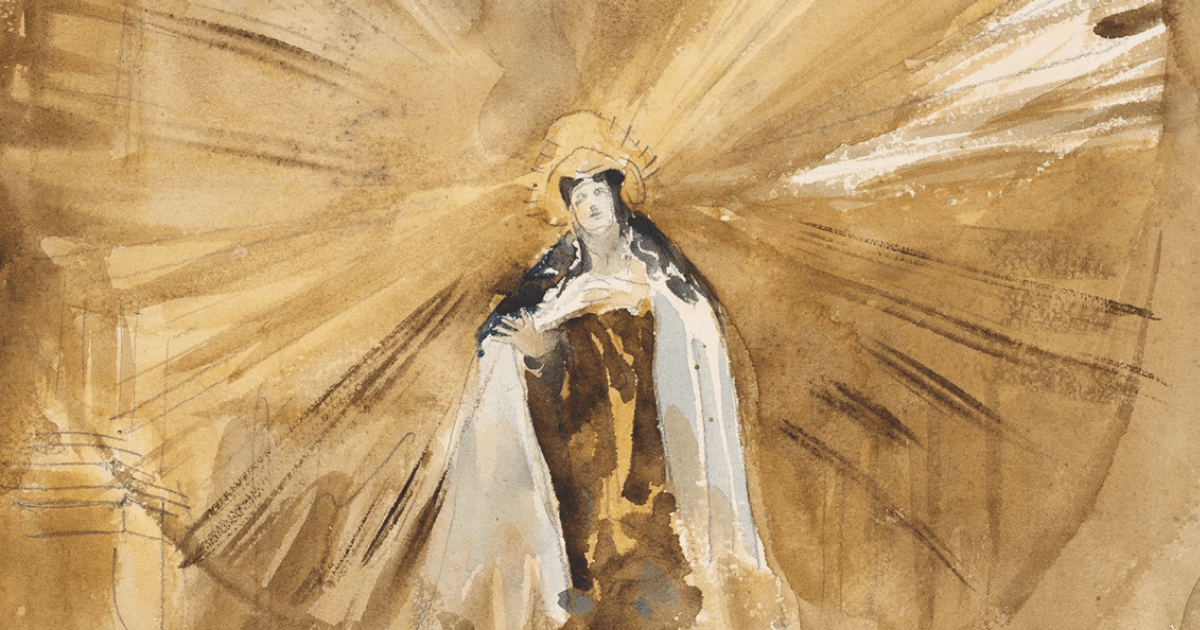
It is not really the same as Our Lord showing up to call him a silly fellow who could not believe something. You might remember being small, and some grown-up leaning over and trying to simplify some majestic thing. It is as if you could not understand what Bernini’s St Teresa of Avila was experiencing – which was an ecstasy of love, brought on by the spiritual wounding of her physical heart. The look of her face manages to capture something approaching the outrageous nature of our Faith: suffering unto death, which pours out life. St Teresa is approaching the deepest reality.
Of course you could have understood this when you were five. Why could you not? If my children ask me to explain something like this to them, my stock answer is: ‘Close your eyes, and ask your Guardian Angel to help you understand.’ What will happen is that they walk away, spend some moments in silence, and then come back with a sort of smug look on their face. It is their closeness to God that I am most jealous of, their ability simply to have a conversation, and to receive assurance.
But it is the conversation we may not want to have, you see, that haunts us the most. It is the temptation to avoid it, as we might – to push that profound and unpleasant reality far from us, to avoid thinking about it until it is too late. To convince ourselves that we never had to. St Thomas refuses this offer. He knows what is real, and what is fantasy. He is, therefore, prepared to be invited to see it.
He knows, too, that if it is real, it is not merely some detached glory, but an encounter with an incredibly wounded, Risen Lord. This is why St Teresa is wounded with ecstasy. It is in ecstasy, being invited into the wounds of Christ, that St Thomas utters the words, ‘My Lord and my God’.
This is our journey from the Resurrection to Pentecost, which is constantly happening. It might be tempting to speak only of the Resurrection, and not to mention the brutality of the Cross. It is simpler to think of the excitement, not the detail. It is the same thing as not praying for the dead. It is the version of our Faith which leaves us only wanting nice things, but knowing we cannot have them without answering the question of suffering and death, which only Christ can answer by showing us his wounds.
This is why, then, we pray as we do. I am certainly tempted by our comfortable world to make everything ‘nice’ for children. But that does not feel right – for hope does not come in such simplistic ways, nor will it do for any of us. Someday, they will watch me die. It might be right to protect innocence – but it is another thing to keep things hidden which are not meant to be.