May 24, 2026

The forgotten God

Dom Alcuin Reid
More
Related
Min read
share

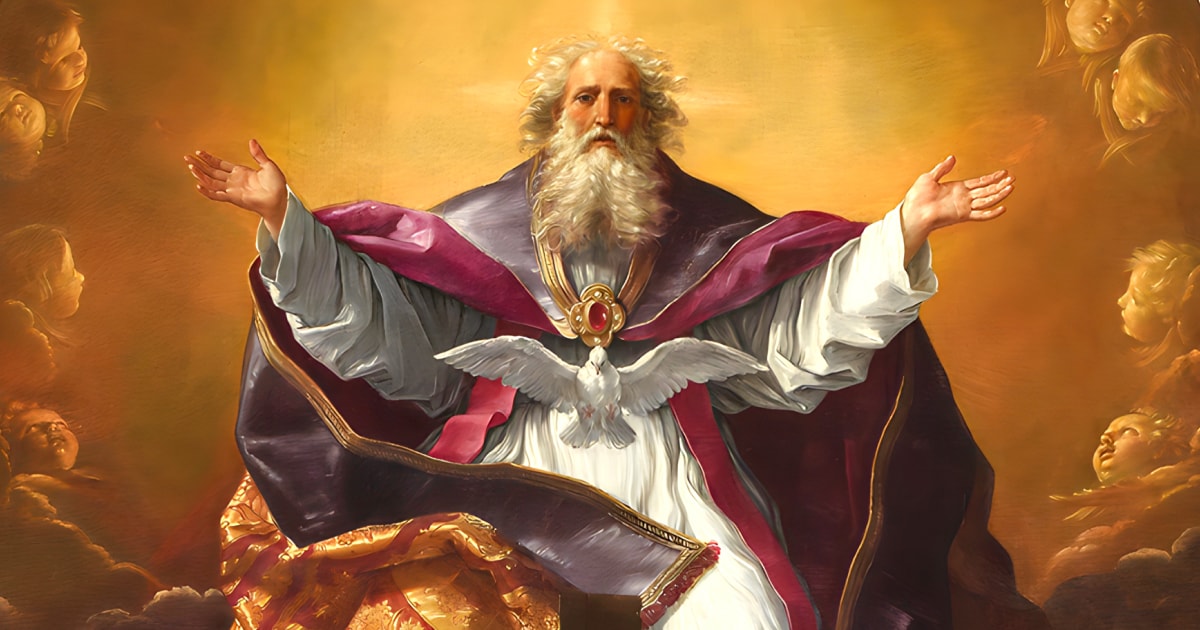
Whom or what is the Holy Spirit? The question might sound somewhat irreverent, particularly as we celebrate Pentecost, but sometimes He is almost “the forgotten God”, as a bishop from my youth liked provocatively to call Him. For as much as we hold firm to the doctrine of the Holy Trinity, in practice God the Father and God the Son are more often to the fore, whereas God the Holy Spirit can be somewhat overlooked – even though we invoke Him in every sign of the Cross and appeal to Him at the end of every prayer and hymn of the Church’s liturgy. The feast of Pentecost, however, seeks to heal our amnesia, as it were, and to rekindle our explicit faith and devotion to He Whom Our Lord describes as “the Counsellor… whom the Father will send in my name [Who] will teach you all things, and bring to your remembrance all that I have said to you” (Jn 14:26).

This promise must have seemed somewhat vague to the Apostles, who were on a very steep learning curve after the Resurrection. They had probably come to accept the reality of the humanly impossible through the tangible fact of the Resurrection of Our Lord from the dead, but one could forgive them for wondering what this promise meant – indeed for wondering what would happen next, as if resurrection was not itself enough!

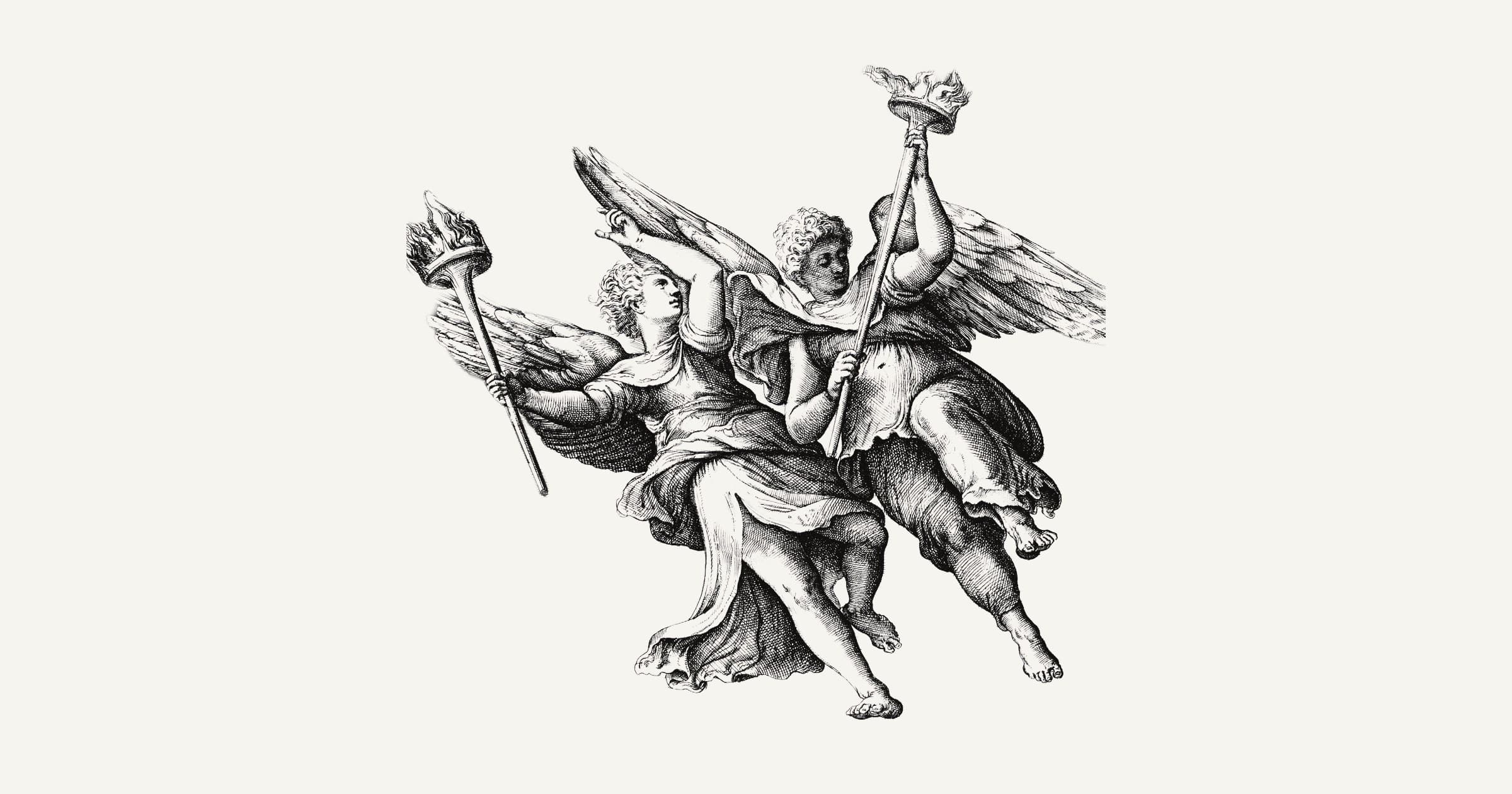
Yet, as the second chapter of the Acts of the Apostles recounts, at Pentecost they experienced a noise like a great wind that came to rest upon their heads as tongues of fire, and “they were all filled with the Holy Spirit and began to speak in other tongues, as the Spirit gave them utterance” – an ability, indeed a charism, not ordered to their own self-aggrandisement, but given in order to be used for the preaching of the Gospel, for the conversion of sinners, for the salvation of souls: a gift, the exercise of which would carry the Apostles to the very ends of the earth and see all but one of them shed their blood for Christ.

This is the gift of God the Holy Spirit. This is the power of the “forgotten” God: to enable sinful men to become great apostles and martyrs: nothing less! And lest we be tempted to think that that was all well and good back in the times of the Apostles, but that was then and this is now, we have the witness of countless saints and martyrs of all ranks and stations in life who have similarly been transformed throughout the ages, down to our own times. The sevenfold gifts of the Holy Spirit have been and are at work in the Church ever since the first Pentecost. We simply need to open ourselves to their power and draw from them in the differing situations that confront us daily.

For whom amongst us does not need an increase in wisdom, understanding, counsel (or right judgement), fortitude (or courage), knowledge, piety (or reverence) and fear of the Lord (or respect for the things of God)? And with such supernatural gifts at our disposal, what can we not achieve? Whom or what can harm us?

Pentecost is, then, a call to take the ‘forgotten’ God seriously. Very seriously. For it is through the power of God the Holy Spirit that we weak men and women are renewed, recreated and restored so that we can bear witness to the Truth that is Christ Jesus in the circumstances in which we live and work, be they quite ordinary, humanly speaking, or be they sometimes, according to God’s Providence, utterly extraordinary. Ordinary, fallible men were called to become Apostles and, by the power of God the Holy Spirit, accomplished extraordinary things. Our baptismal vocation is, in reality, no different, no matter what our circumstances in life. And through the sacrament of Confirmation (which ought to be a true augmentation of our Christian life and mission, not a graduation from it) we share in all the graces and gifts given to the Apostles at Pentecost – nothing less!

Pentecost is an ancient feast and traditionally ranks second in the Church’s liturgical year, after Easter (and before Christmas). Like Christmas and Easter, it had an Octave – eight days of extended celebration and contemplation, as it were; something retained and rightly treasured by those who celebrated according to the older liturgical rites. One of the liturgical riches of this feast is its Sequence, the Veni Sancte Spiritus – a beautiful medieval poetic and musical flowering of the Church’s contemplation of the gift of God the Holy Spirit, known also as the “golden sequence”. Look it up. Keep a copy with you. Let it be an inspiration and guide not only at Pentecost, but always.

Let us not ‘forget’ God the Holy Spirit. Let us turn to Him and re-turn to Him constantly, in every circumstance and need, seeking His purifying, instructive and inspirational light and strength.

Continue reading with a free account

Create a free account to read up to five articles each month
Create free account

You have # free articles remaining this month.

Subscribe to get unlimited access.
Sign up

subscribe to the catholic herald today

Our best content is exclusively available to our subscribers. Subscribe today and gain instant access to expert analysis, in-depth articles, and thought-provoking insights—anytime, anywhere. Don’t miss out on the conversations that matter most.
Subscribe