

August 10, 2026

On the pilgrim trail

David Hahn
More
Related
Min read
share

By any modern logic, the walking pilgrimage ought to have disappeared. We have cars, trains and planes to take us almost anywhere we want to go, and usually in a fraction of the time. Yet more and more people across Europe and America are choosing to walk instead.

Twenty years ago, fewer than 75,000 pilgrims walked the Camino de Santiago. Last year, more than half a million did. Elsewhere, the signs of revival are multiplying. The three-day pilgrimage from Paris to Chartres attracted 20,000 walkers this year, while in America a growing number of Catholics are lacing up their boots for multi-day pilgrimages to shrines in Pennsylvania, New York and Oklahoma. Italy, too, has entered the movement, launching a new 1,500-kilometre Way of St Francis across six regions. Pilgrimage is once again becoming a familiar feature of Catholic life. The numbers tell us that something is happening; the more interesting question is why.
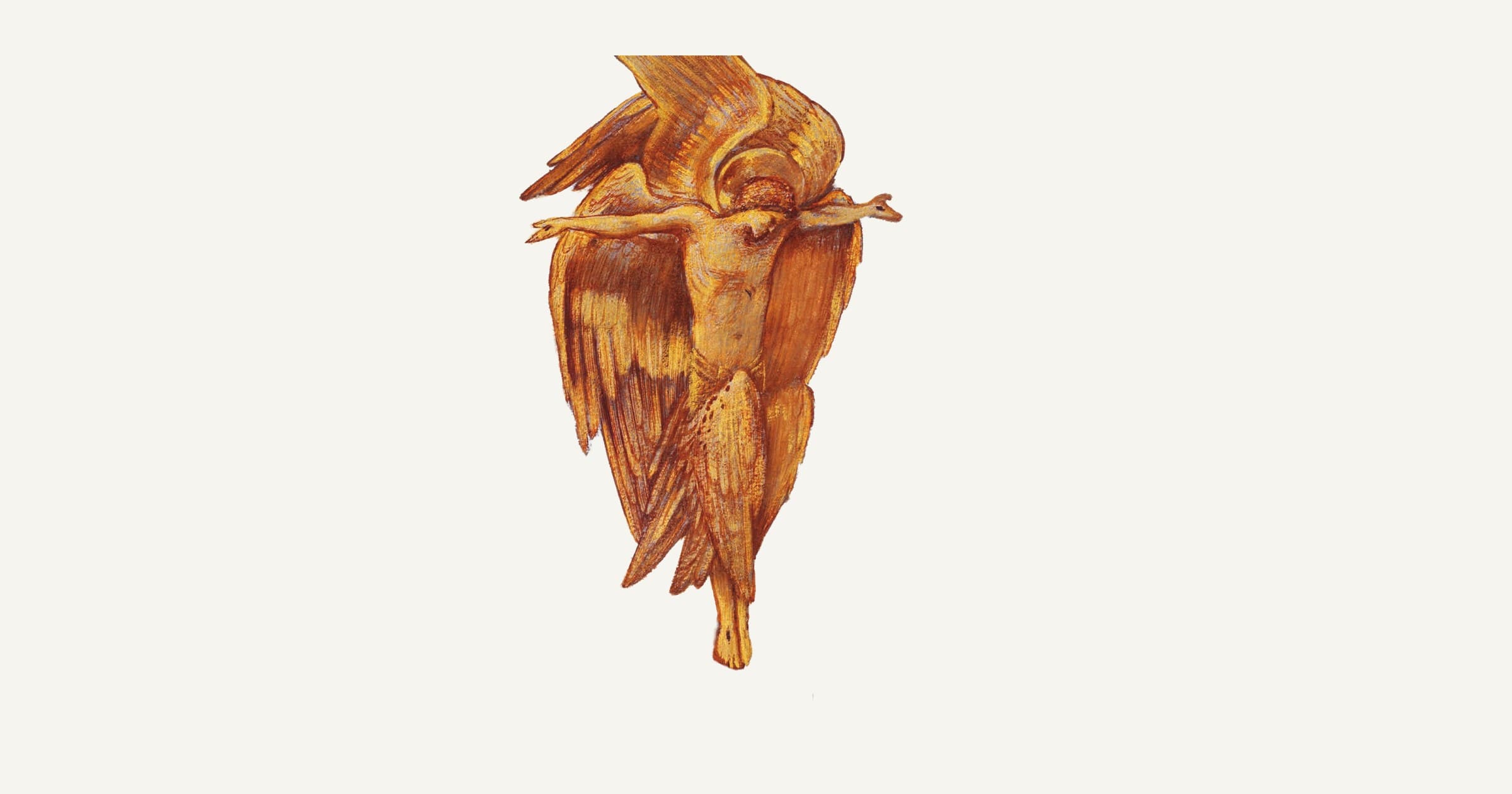
Amid a modern world full of automobiles, computers and smartphones, we are inundated by technology we cannot escape. Yet there has been a recent turn towards older, more human activities, and a growing appetite for old ways – among them, old pathways. Whether all our modern tools ultimately aid man in his final end has yet to be seen; what’s clear is that something is drawing people back to their feet.

It’s worth noting that simply because people attend these pilgrimages does not mean they are Catholic, much less Christian. Having walked several of these routes myself – including the Camino de Santiago and the Camino di Francesco – I’ve encountered people ranging from nominally Christian to merely spiritual to outright atheist. Something more universal in walking pilgrimage seems to bridge these chasms of belief – something that unites people as a human family.

The obvious attractions are easy to name: pilgrimage is a good source of exercise and fellowship, and it offers a more immersive way of experiencing a culture than your average tour bus could provide. Nights are typically spent camping in fields or fairgrounds, or bunking in parish halls and hostels along the route – simple, communal lodging that is very much part of the experience rather than incidental to it. People share food and medicine for injured feet, share stories and share a cautious dread of returning to the road tomorrow. But I’d argue none of this fully explains the distinctly religious character these pilgrimages carry.

There is, in the human heart, a knowledge that it does not possess all that it wants. Our hearts, as St Augustine tells us, find rest in only one place. To borrow another maxim: home is where the heart is. We might adapt that and say home is where the heart longs to be – and our hearts long for our heavenly homeland. We are, in truth, exiles from that homeland, estranged members of our divine family. Something of that journey home – the shape of the spiritual life itself – is hidden within the walking pilgrimage.

Every walking pilgrimage involves real hardship: blisters, an aching back, the heat of the sun, difficult terrain. But there is also the comfort of fellow pilgrims to your right and left – people to share conversation with, to commiserate with and finally to rejoice and feast with upon reaching the destination. While not supernatural in itself, there is a glimpsing in these pilgrimages of that deeper journey of the heart home to God. With every step, one more leg of the journey towards Him is accomplished. The spiritual life is nothing less than a walking pilgrimage of the will and the intellect towards the Most High.

Having completed several of these pilgrimages myself, I offer my endorsement with cautious enthusiasm. Walking long distances will not speak to every heart, and if that were the full extent of our spiritual life, we would be missing the far greater pilgrimage made by accomplishing our daily tasks with great love. It is easy to be patient and generous with fellow hikers for a week; it is much harder to extend that same grace to our colleagues and family members day after day.

If there is one aspect of the walking pilgrimage I would wish everyone to experience, it is how it makes you long for home – for the comfort of one’s own bed. It is that feeling we must foster in prayer and recollection for our heavenly homeland, recognising that while the journey has its comforts and beautiful vistas, what it ultimately lacks, only home can provide. Only heaven will satisfy.

In the West, there has also been a growing number of converts to Catholicism and to Christianity more broadly. Whether this trend constitutes a genuine revival or merely a flash in the pan, I leave to the analysts and statisticians to decide. But perhaps the walking pilgrim has simply rediscovered, step by aching step, what the heart knew all along: that we were made for a homeland we have not yet reached, and that the road there was never meant to be travelled sitting still.

Continue reading with a free account

Create a free account to read up to five articles each month
Create free account

You have # free articles remaining this month.

Subscribe to get unlimited access.
Sign up

subscribe to the catholic herald today

Our best content is exclusively available to our subscribers. Subscribe today and gain instant access to expert analysis, in-depth articles, and thought-provoking insights—anytime, anywhere. Don’t miss out on the conversations that matter most.
Subscribe