
May 24, 2026

The delightful wisdom of Winnie-the-Pooh

Clement Harrold
More
Related
Min read
share

In a recent appearance on Alex O’Connor’s Within Reason podcast, Philip Pullman expressed his distaste for the works of AA Milne and CS Lewis. Singling out Milne for special criticism, Pullman accused his fellow writer of peddling a maudlin nostalgia for childhood.

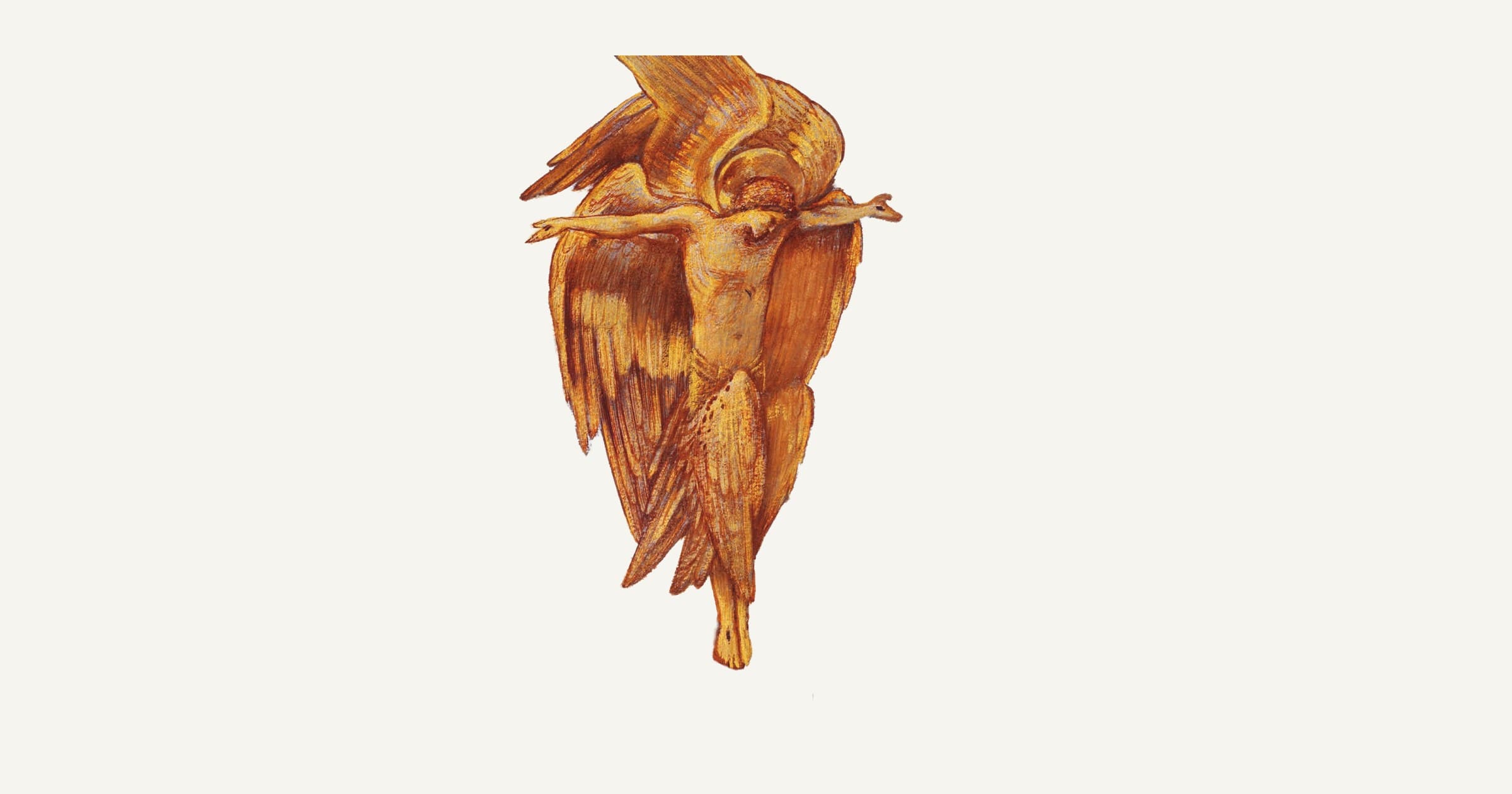
Spelling out his critique, the author of His Dark Materials took issue with the idea “that children are innocent… and therefore holy and, you know, they’re nearer God than we are… they’re little angels”. Pullman complains: “It’s so anti-natural, so anti the whole process of growing up. What children want to be when they’re young is grown up.”
The timing of this exchange was fortuitous for me as it coincided with my journey through Winnie-the-Pooh for the first time. I had nominated the series as part of the spring reading list for a monthly book club (an adult book club, I hasten to add). Over the past year our titles have included David Copperfield, Hannah Coulter, Bowling Alone and a 500-page work on the East India Company. But with the joy of the Easter season upon us, we decided it was time for something a little lighter.

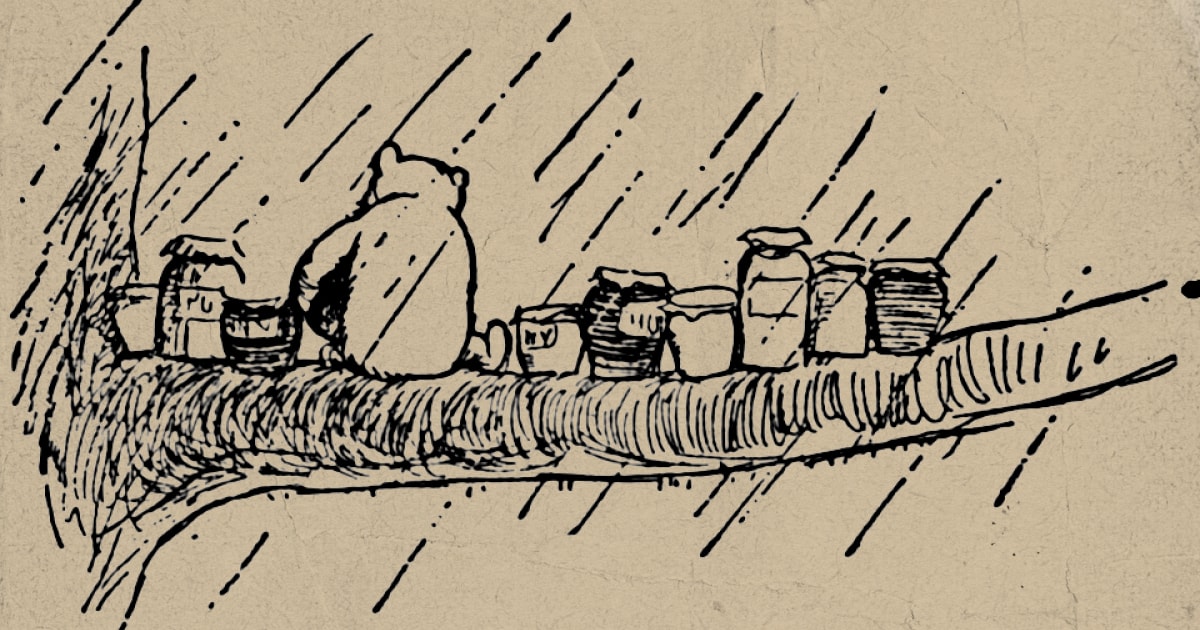
On first reading, I found Winnie-the-Pooh to be one of the best children’s books I have ever read. The tone is delightful, the characters are whimsical and there were more than a few moments when I found myself laughing out loud. Along the way, I discovered that the river game of Poohsticks that I played as a child was invented by none other than Pooh Bear himself.

But what are we to make of Pullman’s criticisms? It is certainly true that Milne has crafted a narrative that is as appealing to adults as it is to children. That is its genius. During the podcast interview, Pullman himself admits the truth of CS Lewis’s observation that a children’s story that can only be enjoyed by children is not a good children’s story in the slightest. Much of the brilliant wit and wordplay that appears in Winnie-the-Pooh is designed for the amusement of the mother or father who reads these tales to their child.

Even so, Pullman’s appraisal betrays a strange discomfort with the whole notion of childlike innocence. He is right, of course, that children want to be adults in a certain sense; they desire to be free from constraints, and they love to role-play as doctors, builders, soldiers and priests. Yet if you tried introducing your six-year-old to a regular nine-to-five job, they would naturally lose all interest within the first 20 minutes.

No doubt children long for a world without rules or bedtimes, and they certainly love to imitate their parents in a multitude of ways. But to say they desire adulthood with all its attendant stresses, responsibilities and monotonies is to miss the point entirely. The child wishes to be thrown in the air again, and again, and again… to the point that his ideal world seems to be one in which he is thrown in the air forever. And here lies the key point: the very last thing the child wants in this moment is to be in the position of his father, whose arms are aching and who finds himself filled with breathless wonder at the giggling stamina of the infant he holds in his hands.

Perhaps, then, Pullman ought to reflect a little more deeply on the innate goodness of childhood. Children rightly intuit that the world is an enchanted place. They are also instinctively humble and hopeful, recognising their own littleness and trusting that they will be looked after. They rarely hold grudges, and joy is their defining trait. Children love to imitate, and in this respect they have much to teach us about what it means to conform our hearts to the heart of our heavenly Father.

During our book club discussion, a friend raised the question of whether Milne intends for us to draw any moral lessons from his stories. The consensus among our group was that while Winnie-the-Pooh is clearly not a didactic work, it still has plenty to teach us. For one thing, it holds up friendship as a beautiful ideal, despite the many foibles of the various characters. In the final tale, after Pooh has been knighted as Sir Pooh de Bear by Christopher Robin, the bear quietly wonders to himself “if being a Faithful Knight meant that you just went on being faithful without being told things”.

At a deeper level, I believe Winnie-the-Pooh offers us a glimpse into that childlike spirit that each of us must embrace if we wish to enter the Kingdom of Heaven. During a blustery storm, the panicky Piglet asks: “Supposing a tree fell down, Pooh, when we were underneath it?” The reply is characteristically sanguine: “‘Supposing it didn’t,’ said Pooh after careful thought. Piglet was comforted by this.”

In a world as anxiety-ridden as ours, we could do with less of The Golden Compass and more of Winnie-the-Pooh. So if you find yourself looking for some wholesome reading this summer – whether for your child’s benefit or your own – do yourself a favour and get a copy of Milne’s masterpiece. You will not regret it.

Continue reading with a free account

Create a free account to read up to five articles each month
Create free account

You have # free articles remaining this month.

Subscribe to get unlimited access.
Sign up

subscribe to the catholic herald today

Our best content is exclusively available to our subscribers. Subscribe today and gain instant access to expert analysis, in-depth articles, and thought-provoking insights—anytime, anywhere. Don’t miss out on the conversations that matter most.
Subscribe