


December 13, 2025
December 13, 2025

A presidential message on a Marian feast is indicative of today's politics

Min read
share

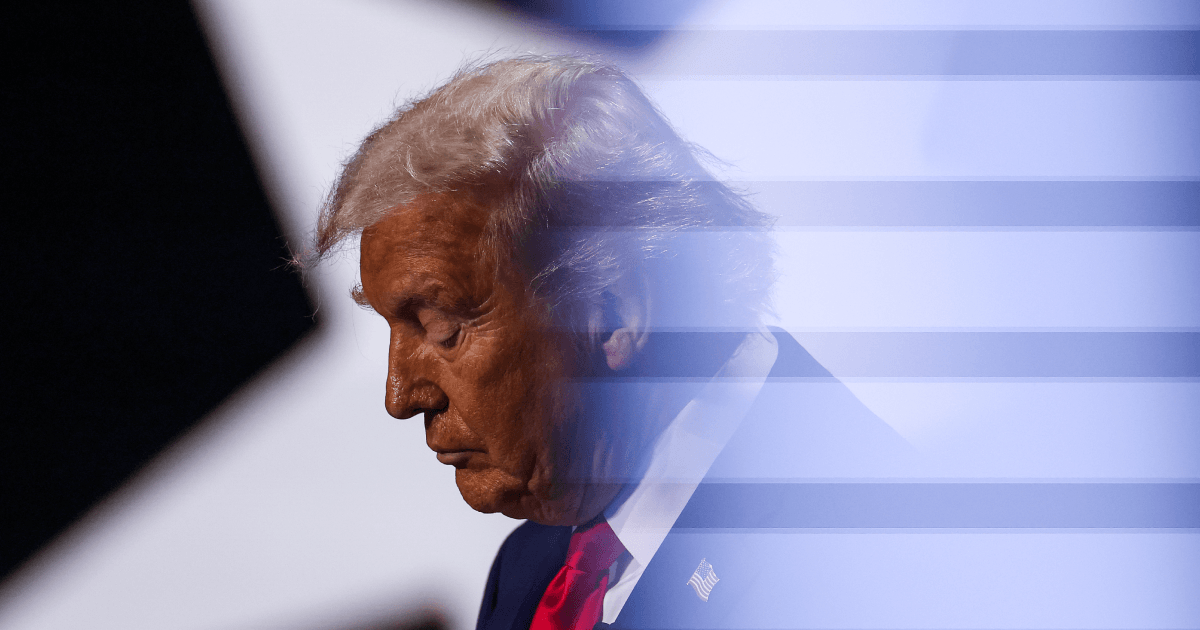
This week President Donald Trump marked the Feast of the Immaculate Conception, hailing the celebration as a moment for Americans to reflect on the “faith, humility, and love of Mary, mother of Jesus and one of the greatest figures in the Bible.”

Drawing directly from Scripture, he stated in his message how Mary “first entered recorded history as a young woman when, according to Holy Scripture, the Angel Gabriel greeted her in the village of Nazareth with news of a miracle: ‘Hail, favored one! The Lord is with you,’ announcing that ‘you will conceive in your womb and bear a son, and you shall name him Jesus.’”

He went on to highlight Mary’s response to the angelic message, calling it “one of the most profound and consequential acts of history,” and citing her acceptance: “Behold, I am the handmaid of the Lord. May it be done to me according to your word.”

President Trump linked Mary’s fiat to the core of belief about the Incarnation, observing that her decision “forever altered the course of humanity.” He described how “nine months later, God became man when Mary gave birth to a son, Jesus, who would go on to offer his life on the Cross for the redemption of sins and the salvation of the world.”

The president also devoted significant attention to Mary’s place in the history of the United States, noting that Bishop John Carroll consecrated the fledgling republic to her in 1792. He also referred to how in 1815 Catholics attributed the unexpected victory of General Andrew Jackson at the Battle of New Orleans to Mary’s intercession.

He said that “for nearly 250 years, Mary has played a distinct role in our great American story,” and named figures such as Elizabeth Ann Seton, Frances Xavier Cabrini, and Fulton Sheen as among those whose Marian devotion shaped their public witness.

His message also pointed to the Basilica of the National Shrine of the Immaculate Conception in Washington, D.C., “the largest church in North America,” and to the enduring popularity of the hymn Ave Maria. He referred to the devotion surrounding Our Lady of Guadalupe, whose feast on 12 December is widely celebrated across the Americas and will see up to eight million visit her shrine in the days surrounding the feast. He said that as the nation approaches its 250th anniversary, Americans “acknowledge and give thanks, with total gratitude, for Mary’s role in advancing peace, hope, and love in America and beyond our shores.”

The message concluded with the familiar words of the Hail Mary, offered “in her honor, and on a day so special to our Catholic citizens.”

The importance of President Donald Trump’s Immaculate Conception message is not just that a secular head of state has praised Our Lady, but what this reveals about the shifting religious placement of the United States in politics and culture.

The United States was founded in stark contrast to the Throne and Altar politics found in 18th-century Europe. It was built on Enlightenment principles that were, in significant measure, forged in opposition to aspects of Catholic political thought. Its constitutional framework is secular by design. Yet in 2025 we have a President of the United States invoking Mary.

President Trump lauding the Immaculate Conception is, on one level, incongruous, and on another a sign of the country’s confidence in its Catholic population. This also changes the old boundaries between Protestant civic myth and Catholic moral vision, softening them, and the meaning of American identity is being renegotiated.

The gesture is not only a pious sentiment. It intersects with the political realignments currently reshaping America. The traditional base of MAGA politics, particularly in the South, has been defined by an Evangelical Protestant identity, often wary of Catholic distinctives. But the modern “Make America Great Again” coalition is far more varied.

Younger socially conservative men — including African-American, Latino, Asian, and white voters of Catholic background — have increasingly accelerated the movement. The old sectarian reflexes are diminishing as cultural conservatism is no longer synonymous with the “Bible Belt” tradition. Trump’s 2024 cabinet also marked a shift from his 2016 appointments, when Protestants were rewarded for their loyalty and dominated the top positions. In 2016 the positions of the Vice President, Secretary of State and Secretary of Health and Human Services were all held by Protestants. In his cabinet today, those positions are all filled by practicing Catholics.

Trump’s embrace of Marian language is less a provocation to Protestants and more a signal to an emerging voting bloc that is comfortable with Catholic symbolism. Whether this marks a genuine religious opening or a calculated political gesture is a fair question. Yet even if political, it remains noteworthy that appealing to Mary is now seen as viable and adventurous in American public life.

Trump’s message was explicit in its celebration of Mary’s role in salvation history. He recalled the Annunciation — “‘Hail, favored one! The Lord is with you’” — and praised her assent: “Behold, I am the handmaid of the Lord. May it be done to me according to your word.”

The President’s message is not simply a seasonal greeting, but a sign that America’s political landscape is evolving. Time will tell whether it matures into a deeper entrenchment of Catholicism in public life.

This week President Donald Trump marked the Feast of the Immaculate Conception, hailing the celebration as a moment for Americans to reflect on the “faith, humility, and love of Mary, mother of Jesus and one of the greatest figures in the Bible.”

Drawing directly from Scripture, he stated in his message how Mary “first entered recorded history as a young woman when, according to Holy Scripture, the Angel Gabriel greeted her in the village of Nazareth with news of a miracle: ‘Hail, favored one! The Lord is with you,’ announcing that ‘you will conceive in your womb and bear a son, and you shall name him Jesus.’”
He went on to highlight Mary’s response to the angelic message, calling it “one of the most profound and consequential acts of history,” and citing her acceptance: “Behold, I am the handmaid of the Lord. May it be done to me according to your word.”

President Trump linked Mary’s fiat to the core of belief about the Incarnation, observing that her decision “forever altered the course of humanity.” He described how “nine months later, God became man when Mary gave birth to a son, Jesus, who would go on to offer his life on the Cross for the redemption of sins and the salvation of the world.”

The president also devoted significant attention to Mary’s place in the history of the United States, noting that Bishop John Carroll consecrated the fledgling republic to her in 1792. He also referred to how in 1815 Catholics attributed the unexpected victory of General Andrew Jackson at the Battle of New Orleans to Mary’s intercession.

He said that “for nearly 250 years, Mary has played a distinct role in our great American story,” and named figures such as Elizabeth Ann Seton, Frances Xavier Cabrini, and Fulton Sheen as among those whose Marian devotion shaped their public witness.

His message also pointed to the Basilica of the National Shrine of the Immaculate Conception in Washington, D.C., “the largest church in North America,” and to the enduring popularity of the hymn Ave Maria. He referred to the devotion surrounding Our Lady of Guadalupe, whose feast on 12 December is widely celebrated across the Americas and will see up to eight million visit her shrine in the days surrounding the feast. He said that as the nation approaches its 250th anniversary, Americans “acknowledge and give thanks, with total gratitude, for Mary’s role in advancing peace, hope, and love in America and beyond our shores.”

The message concluded with the familiar words of the Hail Mary, offered “in her honor, and on a day so special to our Catholic citizens.”

The importance of President Donald Trump’s Immaculate Conception message is not just that a secular head of state has praised Our Lady, but what this reveals about the shifting religious placement of the United States in politics and culture.

The United States was founded in stark contrast to the Throne and Altar politics found in 18th-century Europe. It was built on Enlightenment principles that were, in significant measure, forged in opposition to aspects of Catholic political thought. Its constitutional framework is secular by design. Yet in 2025 we have a President of the United States invoking Mary.

President Trump lauding the Immaculate Conception is, on one level, incongruous, and on another a sign of the country’s confidence in its Catholic population. This also changes the old boundaries between Protestant civic myth and Catholic moral vision, softening them, and the meaning of American identity is being renegotiated.

The gesture is not only a pious sentiment. It intersects with the political realignments currently reshaping America. The traditional base of MAGA politics, particularly in the South, has been defined by an Evangelical Protestant identity, often wary of Catholic distinctives. But the modern “Make America Great Again” coalition is far more varied.

Younger socially conservative men — including African-American, Latino, Asian, and white voters of Catholic background — have increasingly accelerated the movement. The old sectarian reflexes are diminishing as cultural conservatism is no longer synonymous with the “Bible Belt” tradition. Trump’s 2024 cabinet also marked a shift from his 2016 appointments, when Protestants were rewarded for their loyalty and dominated the top positions. In 2016 the positions of the Vice President, Secretary of State and Secretary of Health and Human Services were all held by Protestants. In his cabinet today, those positions are all filled by practicing Catholics.

Trump’s embrace of Marian language is less a provocation to Protestants and more a signal to an emerging voting bloc that is comfortable with Catholic symbolism. Whether this marks a genuine religious opening or a calculated political gesture is a fair question. Yet even if political, it remains noteworthy that appealing to Mary is now seen as viable and adventurous in American public life.

Trump’s message was explicit in its celebration of Mary’s role in salvation history. He recalled the Annunciation — “‘Hail, favored one! The Lord is with you’” — and praised her assent: “Behold, I am the handmaid of the Lord. May it be done to me according to your word.”

The President’s message is not simply a seasonal greeting, but a sign that America’s political landscape is evolving. Time will tell whether it matures into a deeper entrenchment of Catholicism in public life.

share

subscribe to the catholic herald today

Our best content is exclusively available to our subscribers. Subscribe today and gain instant access to expert analysis, in-depth articles, and thought-provoking insights—anytime, anywhere. Don’t miss out on the conversations that matter most.
Subscribe