March 14, 2026

Leo XIV’s first curial moves begin to shed light on his pontificate

Michael Haynes
More
Related
Min read
share

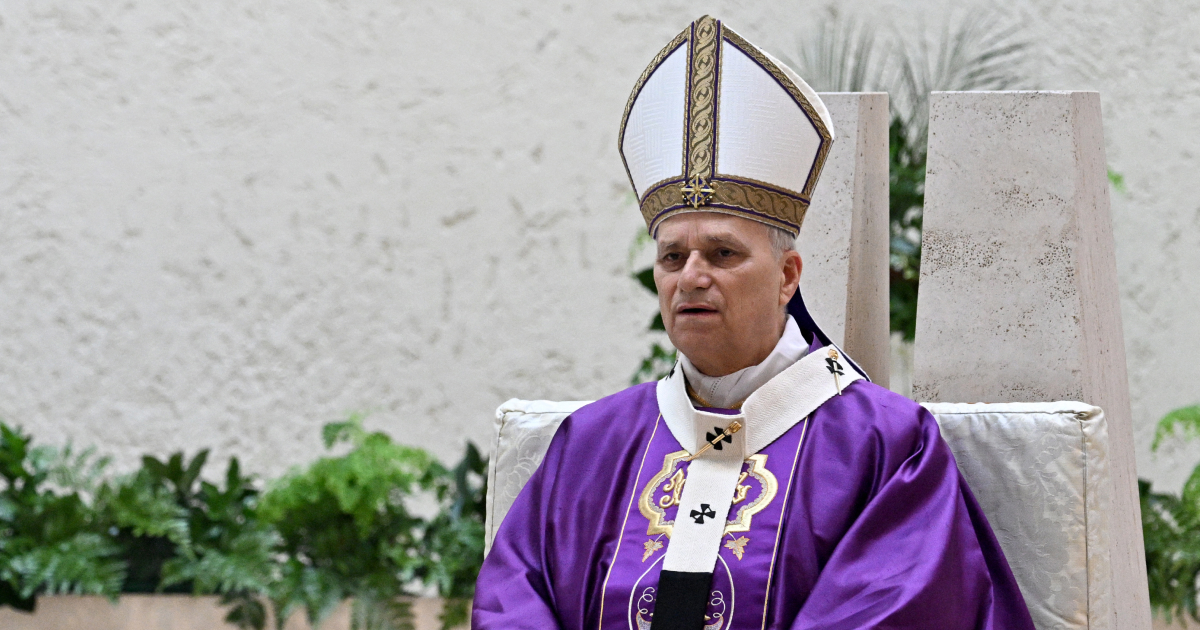
The past seven days will have left many Vatican observers wondering if the American Pope is properly beginning to flex his administrative muscles. As many columnists have written, or discussed in conversations around the Eternal City, Leo XIV’s appointments in the Roman Curia will be some of the clearest tells about the man himself and the direction he wants for his reign.

Some answers have been provided over the past week, not only through naming men to new roles but also in governance decisions which the Pope has enacted. Chief among the roster was the moving of Cardinal Konrad Krajewski out of Rome and back to his native Poland to assume the vacant see of Łódź. Krajewski has been a large figure in the Vatican in recent years, arriving to serve as a papal Master of Ceremonies in the late 1990s before being named Papal Almoner for Pope Francis in 2013.

Krajewski has often described how Francis completely overhauled the Almoner’s role into a peculiar mix of an organ providing Vatican aid and a left-leaning social justice office. Krajewski’s aid packages from the Holy See to Ukraine have been part of his more well-known legacy, but the cardinal often courted controversy in his role. He went to war with the Italian state in taking the side of illegal immigrants squatting in Rome, and it was thanks to Krajewski that a number of transgender groups became regular dignitaries at Vatican events.

In removing him, some have viewed Leo as sending a message of discontent at the Francis style of using the Holy See for social justice issues. Replacing the Polish cardinal is the now-Archbishop Luis Marín de San Martín – a Spanish Augustinian who worked closely with then Fr Robert Prevost at the Augustinian Curia during Prevost’s time as prior general in Rome.

That fact would explain such a promotion, yet it is made more peculiar given that since February 2021 he has been under-secretary of the Synod of Bishops. De San Martín has thus been a key organiser of the Synod on Synodality and, though less known in the Anglosphere, a key champion of the synodal style. To become Almoner is technically a promotion, in so far as he leads a papal office, but it seems like a position in which he is not expected to have a great theological impact.

Last Saturday also saw the naming of a new nuncio to the United States, a key position in the era of a first North American Pope and with the Trump administration’s ever-vocal style having increasing influence on global affairs. The job goes to Archbishop Gabriele Giordano Caccia, who was Permanent Observer of the Holy See to the United Nations since 2019, and thus well acquainted already with the scenes of power in the US.

It was anticipated several weeks prior, but nevertheless still a key move, since in many ways the outgoing nuncio Cardinal Christophe Pierre was such a strong remnant of the Francis papacy – and responsible for removing Bishop Joseph Strickland from office – that his legacy was too embattled and divisive to be the face of Leo’s papacy.

Caccia served as nuncio to the Philippines for two years before landing in New York, with a background of 16 years working in the Secretariat of State learning his craft and – as would be expected of a Milan native – was one of the many clerics drafted into the Secretariat by Cardinal Martini, though some say that that is where the similarities end. Crucially at this time, Caccia will be a strong voice representing the Holy See’s cry for peace in the Middle East – and his eight years as nuncio to Lebanon will provide rare and invaluable insight in that capacity.

Indeed, on that front Leo has been notably vocal over the past week. Again calling for peace in the region at the Angelus on Sunday, March 8, he was forced to turn once more to his ‘beloved Lebanon’ on the next day after the killing of the Maronite priest Fr Pierre El-Rahi following an Israeli artillery strike. On Wednesday, March 11, Leo hailed the priest again, while the Maronite Patriarch, Cardinal Béchara Boutros Raï, called the priest’s death a ‘martyrdom’, adding that it ‘is a deep wound in the heart of the Church’.

Lebanon’s Christian presence is so much under threat following the renewed violence of the Iran war, that the national government officially asked for Holy See intervention to preserve the Christian communities there. Signal attention has, and continues to be, shown by the Vatican towards Lebanon, but it is not only here that Holy See diplomacy has been active.

Demonstrating what appears to be a revival of Vatican influence in recent months, the Cuban regime announced the forthcoming release of 51 political prisoners, following a recent audience between Leo and Cuba’s foreign minister and to emphasise the ‘spirit of goodwill and close and fluid relations’. After many years in which Pope Francis’s erratic, and often diplomatically unhelpful, statements appeared to harm the Holy See’s influence, such signs are very welcome.

But even still, the Middle East takes centre stage in the week’s highlights, with the resignation and evacuation of two cardinals dominating headlines for days. Amid the raging conflict and missile strikes, Iran’s Cardinal Dominique Mathieu was evacuated back to Rome along with the rest of the Italian embassy, which was home to his archdiocesan offices. The decision reportedly came with the backing of the Pope himself. Mathieu spoke of his ‘regret and sorrow’ in leaving Iran, but he will not be the only one: he is reported to have been the sole Catholic cleric serving the diocese at the time of his departure, prompting concerning questions about the sacramental life of the community coping with the current war.

One day later came the resignation of Iraq’s Cardinal Raphaël Sako, the 77-year-old Patriarch of Baghdad of the Chaldeans. Sako stated he had long wanted a quieter life of prayer and reading, but his resignation comes against the backdrop of scandal. Sako is understood to have been a supporter of the Chaldean prelate Bishop Emanuel Shaleta, who has been arrested by American authorities for financial crimes. He is also believed to have frequented a brothel and engaged in an illicit relationship with a woman. Shaleta is subject to both an American and a Vatican investigation and his resignation from office was accepted by Leo on the same day as Sako’s.

On many fronts over the past week, personnel was indeed policy, and thus the Leonine papacy becomes a little clearer.
The past seven days will have left many Vatican observers wondering if the American Pope is properly beginning to flex his administrative muscles. As many columnists have written, or discussed in conversations around the Eternal City, Leo XIV’s appointments in the Roman Curia will be some of the clearest tells about the man himself and the direction he wants for his reign.

Some answers have been provided over the past week, not only through naming men to new roles but also in governance decisions which the Pope has enacted. Chief among the roster was the moving of Cardinal Konrad Krajewski out of Rome and back to his native Poland to assume the vacant see of Łódź. Krajewski has been a large figure in the Vatican in recent years, arriving to serve as a papal Master of Ceremonies in the late 1990s before being named Papal Almoner for Pope Francis in 2013.

Krajewski has often described how Francis completely overhauled the Almoner’s role into a peculiar mix of an organ providing Vatican aid and a left-leaning social justice office. Krajewski’s aid packages from the Holy See to Ukraine have been part of his more well-known legacy, but the cardinal often courted controversy in his role. He went to war with the Italian state in taking the side of illegal immigrants squatting in Rome, and it was thanks to Krajewski that a number of transgender groups became regular dignitaries at Vatican events.

In removing him, some have viewed Leo as sending a message of discontent at the Francis style of using the Holy See for social justice issues. Replacing the Polish cardinal is the now-Archbishop Luis Marín de San Martín – a Spanish Augustinian who worked closely with then Fr Robert Prevost at the Augustinian Curia during Prevost’s time as prior general in Rome.

That fact would explain such a promotion, yet it is made more peculiar given that since February 2021 he has been under-secretary of the Synod of Bishops. De San Martín has thus been a key organiser of the Synod on Synodality and, though less known in the Anglosphere, a key champion of the synodal style. To become Almoner is technically a promotion, in so far as he leads a papal office, but it seems like a position in which he is not expected to have a great theological impact.

Last Saturday also saw the naming of a new nuncio to the United States, a key position in the era of a first North American Pope and with the Trump administration’s ever-vocal style having increasing influence on global affairs. The job goes to Archbishop Gabriele Giordano Caccia, who was Permanent Observer of the Holy See to the United Nations since 2019, and thus well acquainted already with the scenes of power in the US.

It was anticipated several weeks prior, but nevertheless still a key move, since in many ways the outgoing nuncio Cardinal Christophe Pierre was such a strong remnant of the Francis papacy – and responsible for removing Bishop Joseph Strickland from office – that his legacy was too embattled and divisive to be the face of Leo’s papacy.

Caccia served as nuncio to the Philippines for two years before landing in New York, with a background of 16 years working in the Secretariat of State learning his craft and – as would be expected of a Milan native – was one of the many clerics drafted into the Secretariat by Cardinal Martini, though some say that that is where the similarities end. Crucially at this time, Caccia will be a strong voice representing the Holy See’s cry for peace in the Middle East – and his eight years as nuncio to Lebanon will provide rare and invaluable insight in that capacity.

Indeed, on that front Leo has been notably vocal over the past week. Again calling for peace in the region at the Angelus on Sunday, March 8, he was forced to turn once more to his ‘beloved Lebanon’ on the next day after the killing of the Maronite priest Fr Pierre El-Rahi following an Israeli artillery strike. On Wednesday, March 11, Leo hailed the priest again, while the Maronite Patriarch, Cardinal Béchara Boutros Raï, called the priest’s death a ‘martyrdom’, adding that it ‘is a deep wound in the heart of the Church’.

Lebanon’s Christian presence is so much under threat following the renewed violence of the Iran war, that the national government officially asked for Holy See intervention to preserve the Christian communities there. Signal attention has, and continues to be, shown by the Vatican towards Lebanon, but it is not only here that Holy See diplomacy has been active.

Demonstrating what appears to be a revival of Vatican influence in recent months, the Cuban regime announced the forthcoming release of 51 political prisoners, following a recent audience between Leo and Cuba’s foreign minister and to emphasise the ‘spirit of goodwill and close and fluid relations’. After many years in which Pope Francis’s erratic, and often diplomatically unhelpful, statements appeared to harm the Holy See’s influence, such signs are very welcome.

But even still, the Middle East takes centre stage in the week’s highlights, with the resignation and evacuation of two cardinals dominating headlines for days. Amid the raging conflict and missile strikes, Iran’s Cardinal Dominique Mathieu was evacuated back to Rome along with the rest of the Italian embassy, which was home to his archdiocesan offices. The decision reportedly came with the backing of the Pope himself. Mathieu spoke of his ‘regret and sorrow’ in leaving Iran, but he will not be the only one: he is reported to have been the sole Catholic cleric serving the diocese at the time of his departure, prompting concerning questions about the sacramental life of the community coping with the current war.

One day later came the resignation of Iraq’s Cardinal Raphaël Sako, the 77-year-old Patriarch of Baghdad of the Chaldeans. Sako stated he had long wanted a quieter life of prayer and reading, but his resignation comes against the backdrop of scandal. Sako is understood to have been a supporter of the Chaldean prelate Bishop Emanuel Shaleta, who has been arrested by American authorities for financial crimes. He is also believed to have frequented a brothel and engaged in an illicit relationship with a woman. Shaleta is subject to both an American and a Vatican investigation and his resignation from office was accepted by Leo on the same day as Sako’s.

On many fronts over the past week, personnel was indeed policy, and thus the Leonine papacy becomes a little clearer.
subscribe to
the catholic herald

Continue reading your article with a subscription.
Read 5 articles with our free plan.
Subscribe

subscribe to the catholic herald today

Our best content is exclusively available to our subscribers. Subscribe today and gain instant access to expert analysis, in-depth articles, and thought-provoking insights—anytime, anywhere. Don’t miss out on the conversations that matter most.
Subscribe