April 11, 2026

From Holy Week to world stage: Leo XIV’s call for peace

Michael Haynes
More
Related
Min read
share

For many weeks, journalists have been pressing Leo XIV with questions, hoping he will deliver a soundbite that will spike views or bolster their press reputations, but in the end it was his own calm, premeditated statement calling for peace which spread around the world.

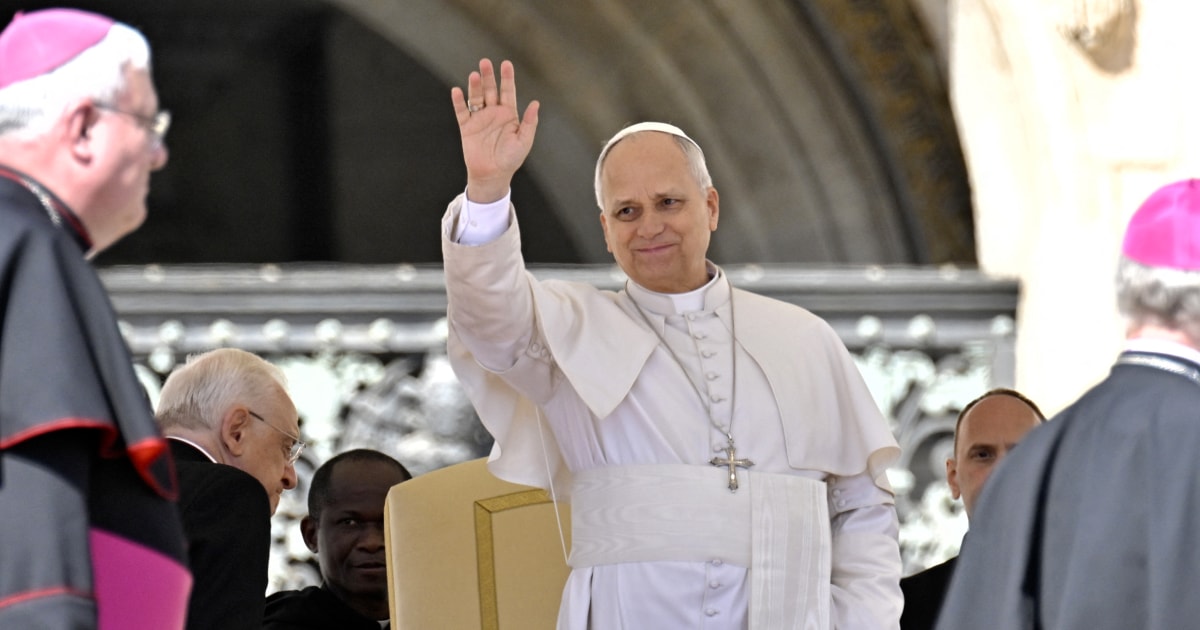
The passion and liturgical drama of Holy Week has come and gone, and there can be no mistaking the change between Good Friday and Easter Sunday at the Vatican. St Peter’s Square was bedecked with flowers from the Netherlands, as is customary, around 70,000 in total this year, in a tradition dating back some 40 years to the beatification of St Titus Brandsma. A hot sun welcomed the crowds gathered in the Square, eagerly waiting for Leo’s first Easter Mass and the Urbi et Orbi which followed.
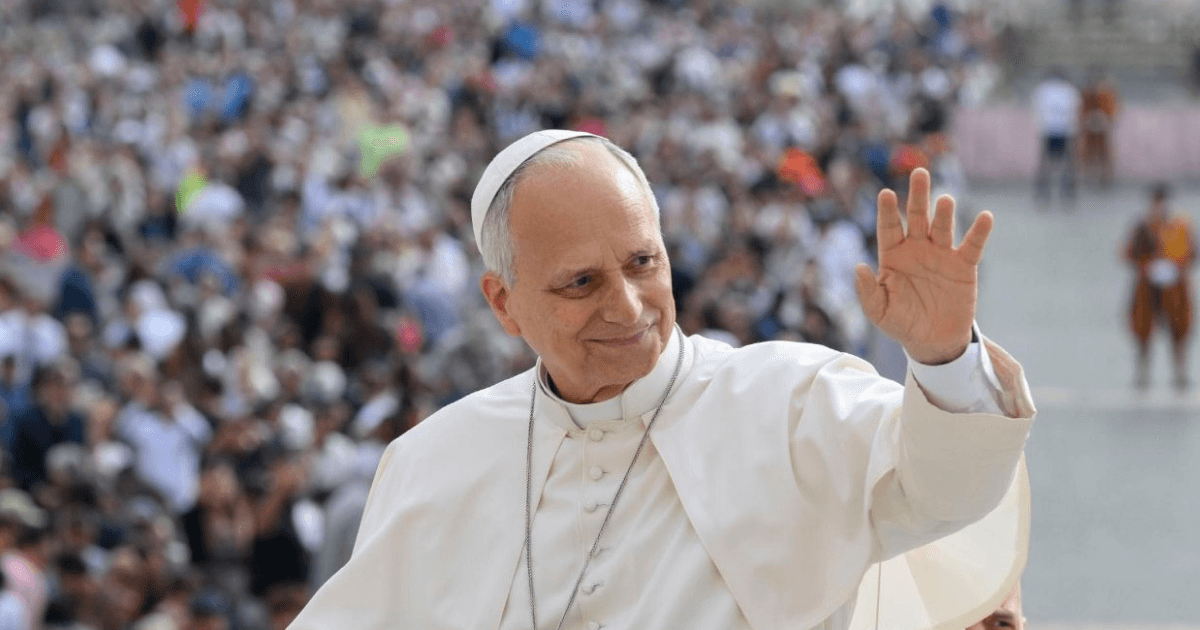
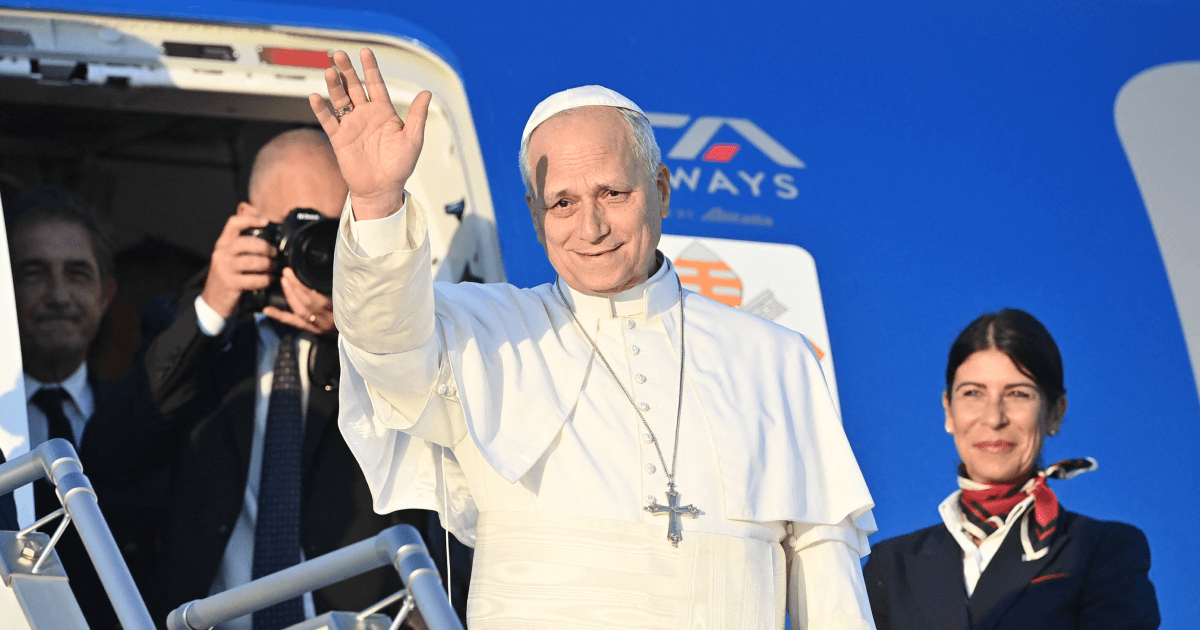
Delighting the vocal crowds, Leo appeared suitably and similarly excited for Easter, and reflected this with a characteristic display of his linguistic prowess as he greeted the throng in 10 languages. His Maundy Thursday evening homily had been a stirring reflection on the priestly ministry, and, following suit, his Urbi et Orbi address turned to a spiritual reflection on the Resurrection.

But here was the demarcation point, for if the past week had to be summarised in just a phrase then it would be ‘papal peace plea’. This is nothing new, by any means, least of all coming from Leo in recent weeks, yet it seems that this week his messages were at least somewhat heard.

The world, Leo said on Sunday last, is ‘growing accustomed to violence’ such that we are ‘becoming indifferent’ to it. Addressing the Church and the world, the American Pontiff urged that Easter should act as a catalyst to ‘abandon every desire for conflict, domination, and power’ in the face of a world which has been ‘ravaged by wars’.

Leo did not list the various conflicts and humanitarian crises in the world, as is normally done on such an occasion, choosing instead to remain more general. Yet two days later, on Tuesday, he made arguably his strongest and most direct intervention as Pontiff.

Returning to the Vatican in the evening after his weekly dies non in Castel Gandolfo, the American Pope placed himself in opposition to the American president. It was a clash that many had long theorised about, and Donald Trump’s threatened ‘civilisation-wide destruction’ in Iran proved to be the catalyst. ‘This is truly not acceptable,’ Leo said in reference to that specific threat. He highlighted the concerns of ‘international law’ and general morality with regard to Trump’s impending strikes against energy infrastructure.

Some have suggested Leo condemned the whole war as unjust, but this is not strictly true. Certainly, he revealed himself to be no supporter of it, lamenting that it ‘is not resolving anything’ and viewing it as a ‘sign of the hatred and division that we are capable of’.

Increasingly wary of fielding questions from the press scrum that gathers every week, Leo has recently tended to avoid the Q & A, favouring instead using the proffered platform to transmit a message directly to the world. Expectation was high among the press corps that he would respond to the tension surrounding Iran, and the Pope certainly delivered.

His message was instantly transmitted to millions around the globe, bolstering that issued by the US bishops’ conference president, who had made a similar petition to Trump just hours before.

For many weeks, political activists and certain journalists have been seeking to portray Leo in juxtaposition with Trump on national policies, party politics or even simply at a personal level. In the end, the Pope did come down against the President, but in a manner which few were able to manipulate to suit any personal agenda.

Indeed, just a few days after rejigging key personnel in his household and the Secretariat of State, Leo appeared to be settling well and truly into his stride, perhaps buoyed by the comfortable knowledge of a new roster of faces around him whom he feels he can trust.

This was further demonstrated by another series of direct actions he took over the Easter weekend, calling Israeli President Isaac Herzog and Ukraine’s Volodymyr Zelensky on Good Friday. These were described as courtesy calls to mark Passover and Easter respectively, but also quietly served as occasions for Leo’s personal outreach and intervention into the differing situations of both countries.

The discussion with Herzog was particularly poignant given that it was only days prior that Cardinal Pizzaballa had been denied entry into the Church of the Holy Sepulchre in Jerusalem by the local police. Shortly after, on Easter Monday, Leo again reached out to show his personal closeness to the beleaguered Christian village of Debel in Lebanon, which had been cut off from supply lines after being caught up in Israeli strikes.

Israel has defended its military activity in Lebanon, but many others have robustly condemned it – especially after the devastating missile bombardment on Wednesday morning. The response of the Holy See came via Lebanon’s papal nuncio, who described it as an attack the like of which had not been seen before.

Returning to the internal ecclesial elements of Leo’s pontificate, the Pope was joined by Cardinal Ernest Simoni on the loggia for the Easter Sunday blessing. This was a signal move, given that Simoni appeared there as a personal guest of Leo. Simoni’s personal history is inspiring: he spent much of his life facing death at the hands of the Albanian Communist regime and lived for decades in a prison camp. Lately he has also shown himself a firm and public friend of traditional Mass communities, and this factor should be borne in mind given the discussion he will have had with Leo out of sight of the cameras.

Another occurrence this week with a bearing on the liturgy was the joint audience Leo granted to Grand Master Fra’ John Dunlap of the Order of Malta and Cardinal Patron Gianfranco Ghirlanda. Well-sourced reports have recently suggested that Ghirlanda might be replaced in that role by Cardinal Arthur Roche, who would end his five-year term as prefect of the Congregation for Divine Worship in May. Fra’ Dunlap is said to be a supporter of the move, and Friday’s rare papal audience with the Order’s leadership certainly fuels speculation of an impending change of prelatial patron.

Continue reading with a free account

Create a free account to read up to five articles each month
Create free account

You have # free articles remaining this month.

Subscribe to get unlimited access.
Sign up

subscribe to the catholic herald today

Our best content is exclusively available to our subscribers. Subscribe today and gain instant access to expert analysis, in-depth articles, and thought-provoking insights—anytime, anywhere. Don’t miss out on the conversations that matter most.
Subscribe