May 25, 2026

The real message of Magnifica Humanitas

Michael Haynes
More
Related
Min read
share

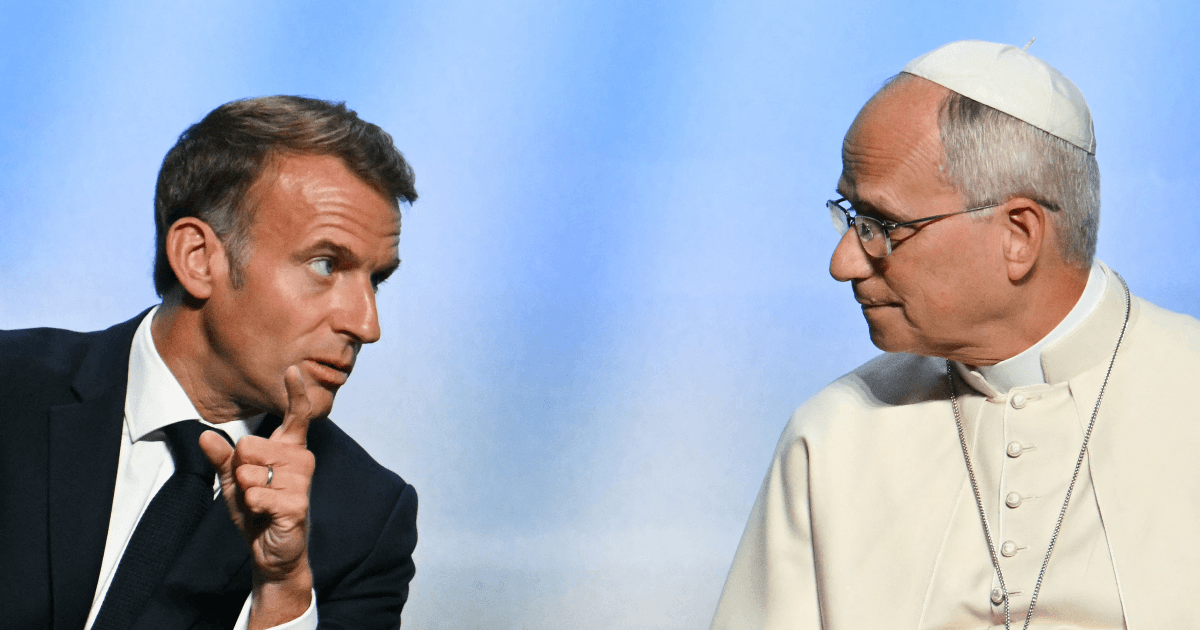
Pope Leo XIV’s first encyclical was billed as being on artificial intelligence, but what it delivered alongside that was an in-depth treatise on the American Pope’s assessment of the state of the world.

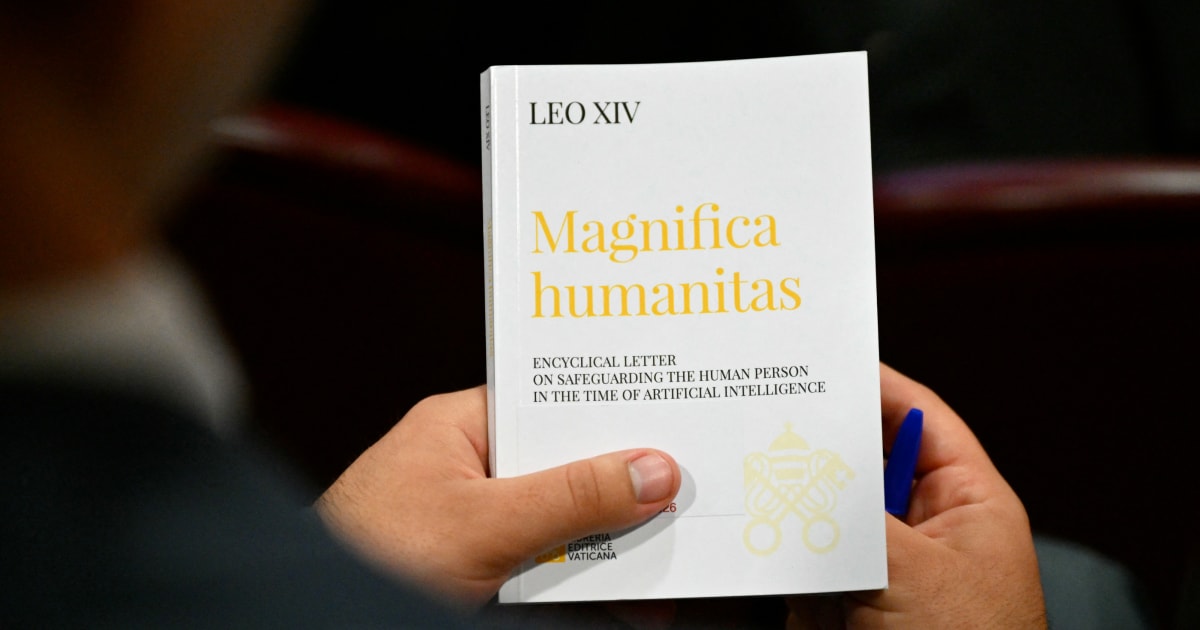
“We must, then, avoid the ‘Babel syndrome’,” warned Pope Leo in the early lines of Magnifica Humanitas. Issued on May 25, 10 days after it was signed, the encyclical’s lengthy build-up piqued interest as to what the first Pope from the United States would have to say regarding AI and the next stage of the technological revolution currently under way.
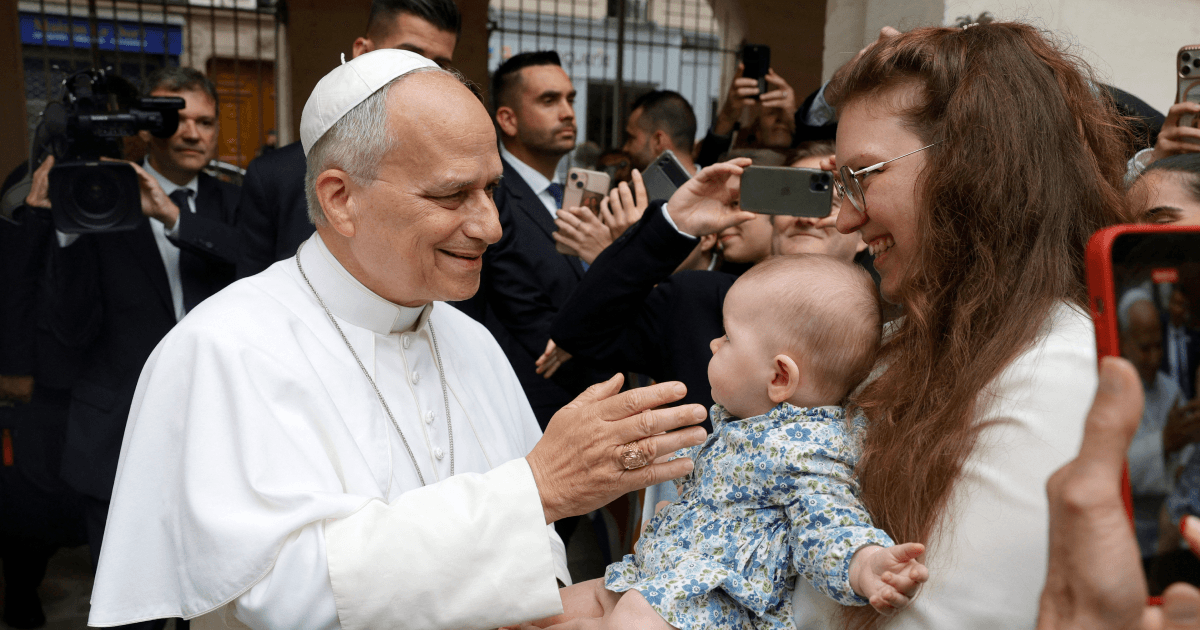
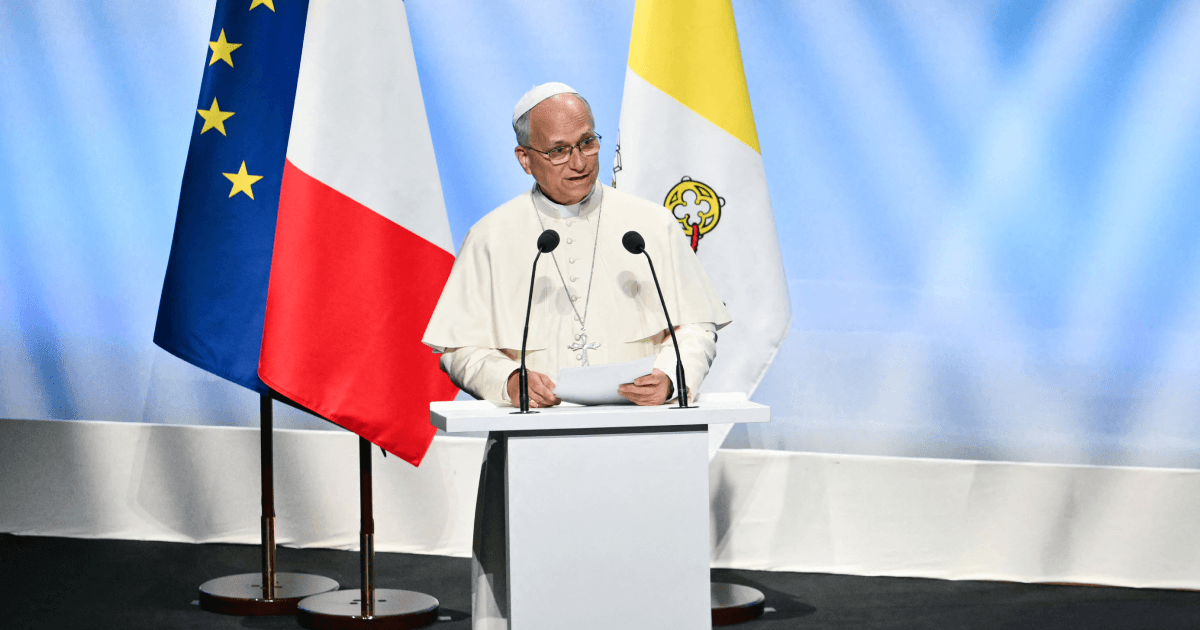
Leo’s own adept use of technology has marked him somewhat apart from Pope Francis and Pope Emeritus Benedict XVI, but his relationship with it is very much that of a Religious wary of being drawn into a world that promises flashes and dopamine hits at the ever-increasing cost of one’s time.

What is the “Babel syndrome” that Leo so ardently condemned? He described it as “the idolatry of profit that sacrifices the weak, a uniformity that neutralises differences, and the pretence that a single language – even a digital one – can translate everything, including the mystery of the person, into data and performance”.

Leo’s encyclical has not been falsely advertised. It is orientated around AI and speaks even about the “era of AI”. He writes ardently about the risk posed by technological developments, and any societal progress that dehumanises man and divorces itself from God.

“The risk of dehumanisation – of building a future that excludes God and reduces the other to a means – is an ancient and ever-new temptation that today takes on a technical guise,” he warned.

Such a society would be one that emulates those building the Tower of Babel, a project that “reveals the limits of any effort that, however grandiose, arises from self-affirmation, sacrifices human dignity for efficiency and aspires to reach heaven without God’s blessing”.

Instead, the Pontiff urged that society emulate the rebuilding of Jerusalem after the Babylonian captivity: an event “with God at the centre” and with a harmony that is present only “when all persons assume their own role and recognise that their strength comes from the Lord”.

But for Leo, this aspect of societal transformation was crucial and his message was more orientated to that process than to pronouncing one way or the other on AI. Artificial intelligence, he wrote, is not an evil in itself. Yet neither can technology be “neutral”, he opined, since it is a potent implement guided by the desires and morals of those wielding it.

Any of the potential uses and implications of AI – whether on the battlefield, propping up the industry of global conflict, or speeding up industry at the cost of workers’ livelihoods – can never be “a purely technical matter: when it enters processes that affect people’s lives, it touches on rights, opportunities, status and freedom”.

Every AI tool, the Pope commented, revolves around the fact that such pieces of equipment “reflect the cultural assumptions of those who designed and trained them, with all their strengths and limitations”.

Leo’s message to the wider audience keen to limit any negative effects of AI contained his emphasis on the Church’s social teaching and a prioritisation of the common good. This, he outlined, “implies, first and foremost, building on a firm relationship with God” and “recognising that the truth of his love calls us to life ‘in all its fullness’ (Jn 10:10) and communion with him”.

With such thematic language, the Pontiff revealed the deeper aspect of the encyclical. Magnifica Humanitas is not so much a document containing dry legislation about the Church’s recommended use of AI, but rather a subtle catechesis for wider society framed in light of the “era of AI”.

Leo outlines how the common good must be rooted in a pursuit of God if it is to be fruitful, before then further noting that AI can only be a positive force if it is also aligned with the pursuit of this same common good. Ultimately, this points back towards Christ such that, as the Pope wrote, “in the humble fidelity of daily life, even the era of AI can become a time in which the Holy Spirit brings about the civilisation of love in our lives”.

Great pains are taken to ensure that the link between man and God is unquestionably present. While some may see AI as “a solution to humanity’s problems”, and transhumanist ideology as a way to somehow “enhance” broken man, Leo rejects these concepts by pointing to the Incarnate Christ.

“The mystery of the Son of God entering into our human condition promises something quite different,” he noted. By taking human frailty, Christ demonstrates that “there is no moment or human situation that is not worthy of God”.

For the Augustinian Pope, AI and technology generally are always just tools that must be correctly ordered to the benefit of one’s soul, rather than becoming ends in themselves. This is because human reality should be guided by the “acceptance of human limitations as a natural and positive reality”, and should be characterised by shared responsibility and language formed by the Gospel.

“What saves humanity” – he added, demonstrating once more the true catechetical nature of the encyclical – “is the divine love that descends into the most fragile point of our history and renews it from within”.

Leo’s text is lengthy and thus a full examination necessarily eludes the scope of a single article. Much will be made by secular media of the fact that he called for a greater check on AI in military usage in order to curtail the increase in global conflict. As if to prove to international leaders that he is serious in his calls for peace, Leo went so far as to claim that the Church’s just war theory is now “outdated”, since there are now “far more effective and capable tools for promoting human life and resolving conflicts”. Such a passage does indeed deserve the controversy it has already garnered.

But the deeper message ought not to be overlooked: if society wishes to preserve itself in any way from the rise of rapidly changing technology, then a return to Christ at the centre is the only solution.

Continue reading with a free account

Create a free account to read up to five articles each month
Create free account

You have # free articles remaining this month.

Subscribe to get unlimited access.
Sign up

subscribe to the catholic herald today

Our best content is exclusively available to our subscribers. Subscribe today and gain instant access to expert analysis, in-depth articles, and thought-provoking insights—anytime, anywhere. Don’t miss out on the conversations that matter most.
Subscribe