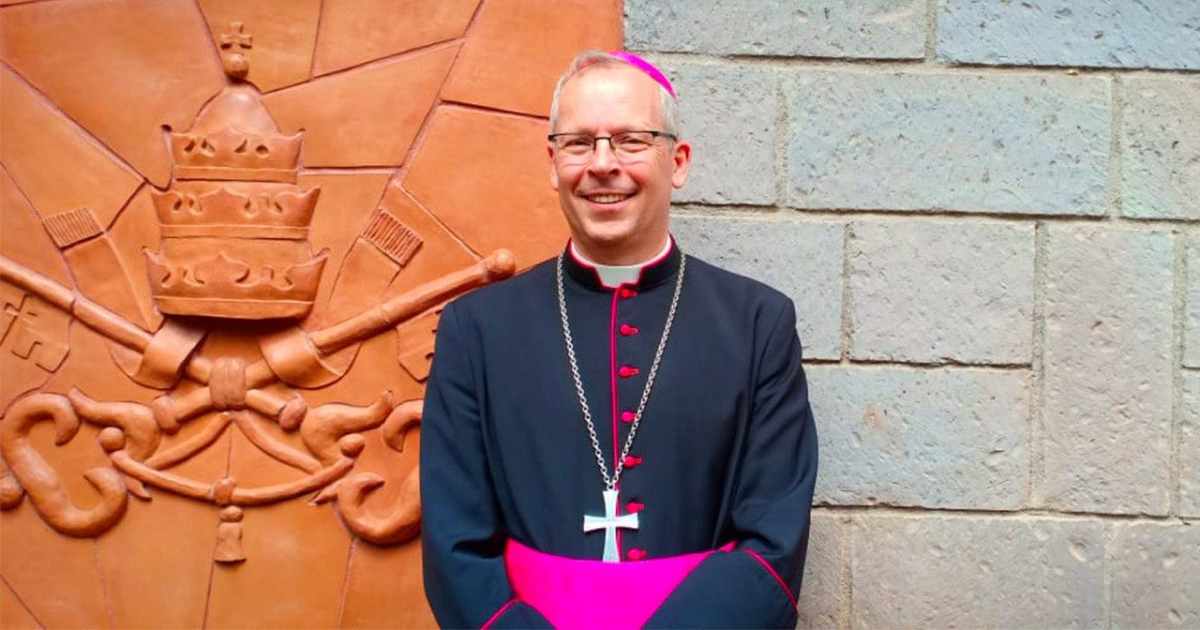


A German bishop has stated that while he accepts the Holy See’s ban on lay preaching, the custom is “common practice” in his diocese, and thus he will not sanction it.
Consecrated bishop in 2017, Bishop Peter Kohlgraf has led his diocese of Mainz since that same year and has come out in support of some of the more controversial elements of the German Synodal Way, such as married priests and same-sex blessings.
Speaking this week to the in-house news outlet of the German Bishops’ Conference, Katolisch.de, Kohlgraf commented on the recent response by the Holy See which rejected the German bishops’ request for an indult for lay preaching at Mass. Kohlgraf tried to tread a peculiar line of accepting the Vatican’s order, but refusing to take action to enforce it in his diocese.
“In the Diocese of Mainz we adhere to the church order that lay people do not preach in a Mass,” he began.
He added: “In practice, however, it has become common practice for this to still happen from time to time. But I won’t change it there.”
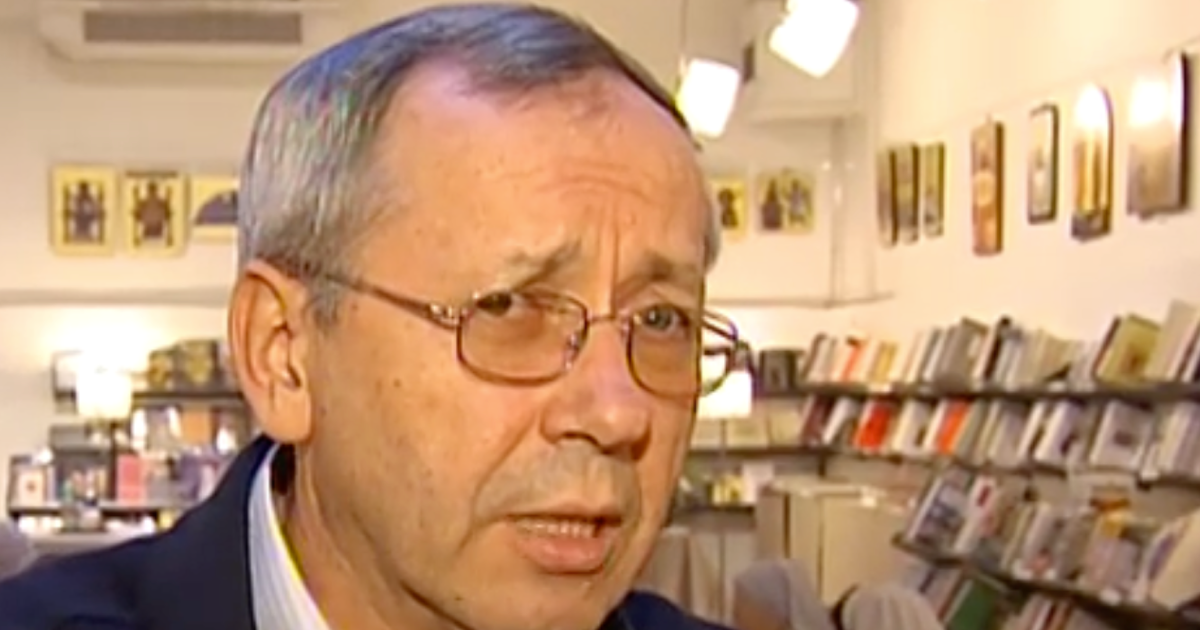
As the Catholic Herald reported, on June 23 the Holy See publicised its June 17 response to the German bishops on the issue of lay preaching. The Vatican’s Dicastery for Divine Worship noted that a homily at Mass constitutes “an integral part of the Liturgy of the Word, is intrinsically linked to the proclamation of the Gospel, and constitutes an exercise of the munus docendi entrusted to ordained ministers through the Sacrament of Holy Orders”.
This is also outlined clearly in Canon Law, which stipulates that “among the forms of preaching, the homily, which is part of the liturgy itself and is reserved to a priest or deacon, is preeminent.”
Kohlgraf acknowledged this, commenting that he does not have the authority to “grant such permission” for a lay homily, as “Canon law does not permit it, and that remains our basis.”
But he added that “in some church communities here it is common for lay people to preach.”
For the Mainz ordinary, this situation presented a peculiar internal problem of conscience in that he would not expressly authorise it, but at the same time refused to take action to penalise such a practice.
“If I find out about this, I will not intervene disciplinarily or sanction it under canon law. But I’m not advertising it, and I can’t allow it. I simply acknowledge that such a naturalized practice exists in some church communities.”
In order to satisfy the demands of the lay-preaching advocates, Kohlgraf noted that he supports using “all other forms of proclamation that canon law allows”. These had been collated and published by the diocesan liturgical commission in a handbook last year, which presented a summary of “the diverse possibilities of preaching”.
“For our diocese”, he opined, “the ban on lay preaching does not change anything in concrete pastoral practice. I am more concerned that the ban on lay preaching from Rome is now promoting denunciation.”
Theorising about a potential indult for lay preaching in the future – the kind which the Vatican just ruled out – Kohlgraf said it would be “fine and appreciated”, but that “I alone cannot decide that.”
Lay pastoral workers who “are theologically qualified to preach”, Kohlgraf deemed to be a “wealth of the Church”, but reiterated he could only authorise the forms of preaching allowed in Canon Law.
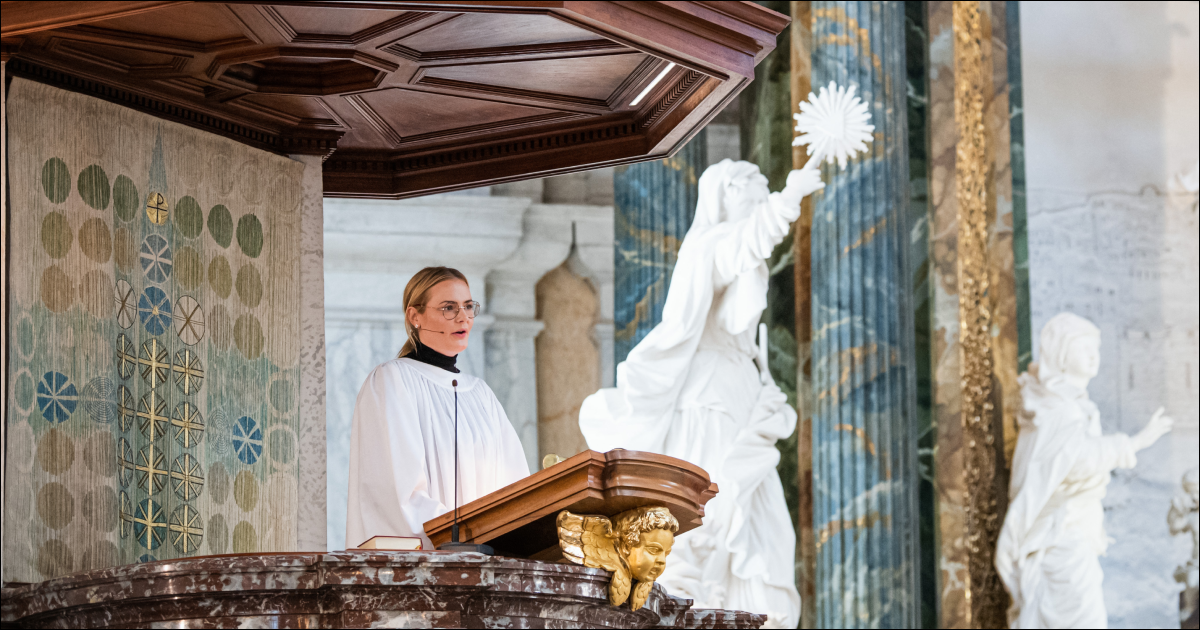
As analysed by the Catholic Herald, the Holy See’s rejection of lay preaching is one thing, but the implementation of it is quite another. At the end of July a lay-woman delivered a joint “dialogue sermon” on the feast of St Mary Magdalene, alongside an auxiliary bishop of the Archdiocese of Munich and Freising. Bishop Wolfgang Bischof joined with the head of the Archbishop's Women's Commission, Theresia Reischl to give the “dialogue sermon” in a public, and apparently direct, contravention of the Vatican’s order.
The recently elected chairman off the German Bishops’ Conference, Bishop Heiner Wilmer, is a keen advocate of the lay preaching movement, and his election was viewed as a message to Rome about the firm intent of the conference on many issues. His leadership of the German bishops will likely force the Holy See to respond with greater firmness that hitherto seen, else the Vatican risks seen to become devoid of real authority.
Michael Haynes is an English journalist in the Holy See Press Corps. He serves as Vatican Correspondent for the Catholic Herald, while readers can follow him at Per Mariam and on X @MLJHaynes.