


May 8, 2026

Leo XIV shifts the narrative with anniversary visit to Pompeii

Michael Haynes
More
Related
Min read
share

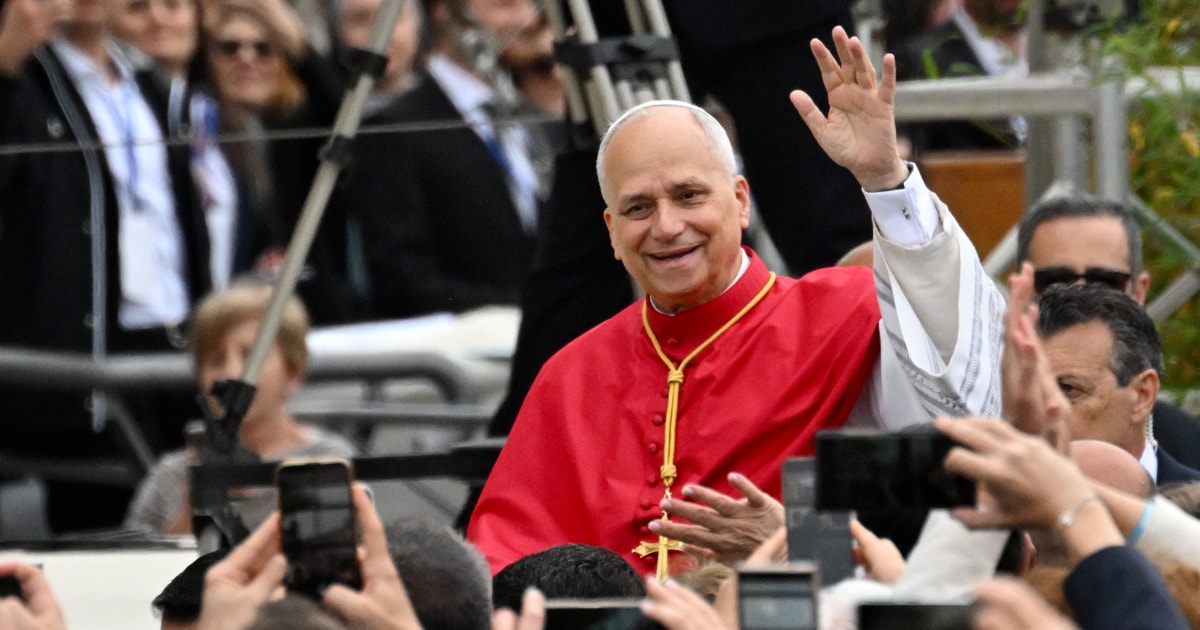
It was an anniversary marked by business and pleasure for Leo XIV this week, as the visit of a high-profile United States delegation dominated the news cycle before the Pope marked his election day by visiting the Marian shrine in Pompeii.

Leo XIV’s visit to Pompeii and Naples on 8 May had long been in the calendar, and highlighted the pontiff’s devotion to Mary, which had already been demonstrated during his visit to Our Lady of Genazzano in the early days of his reign. But Friday’s visit was more than a mere act of filial Marian devotion. Our Lady of Pompeii, feast day 8 May, is a figure much beloved by Italians the length and breadth of the nation, and by choosing to spend the first anniversary of his papal election there, Leo will certainly have endeared himself even more to Italian Catholics.
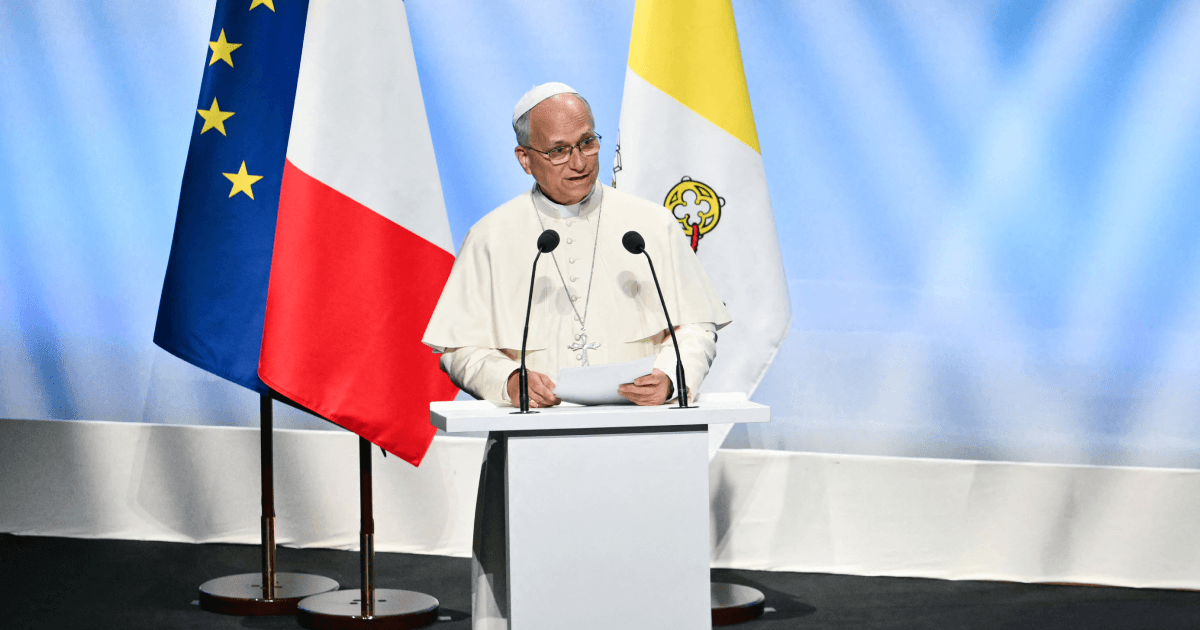
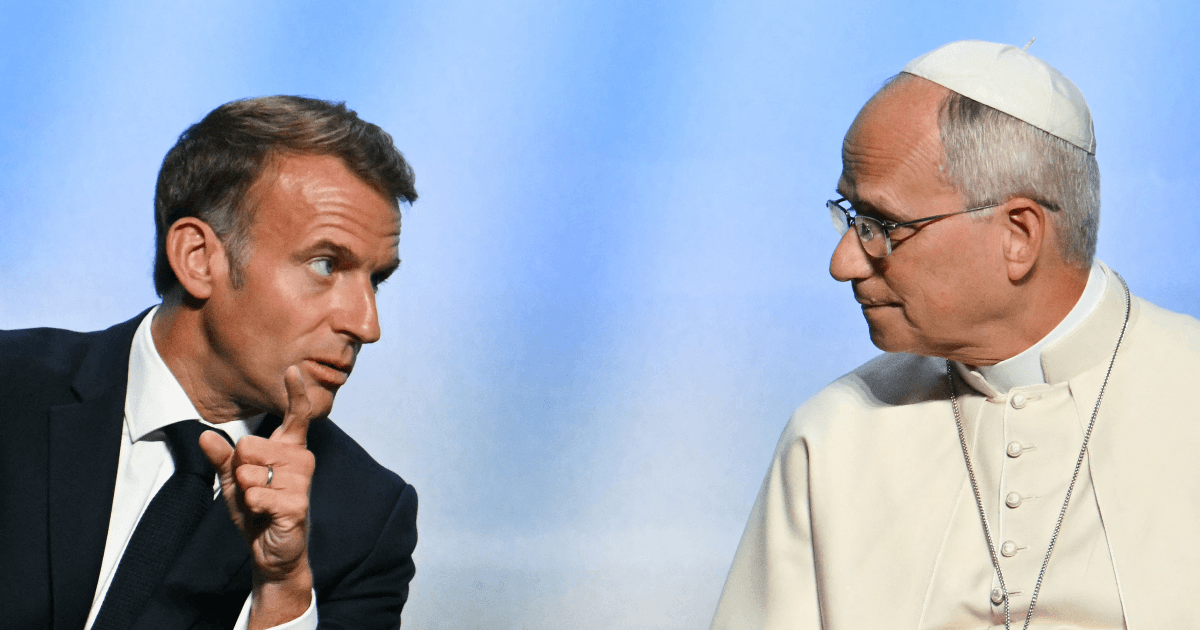
This is not to suggest that his visit was motivated by politics. As noted, Leo’s Marian sensitivities are strong, as is his own devotion to the Virgin of Pompeii – something highlighted by his impromptu private visit to the Domus Australia in October for the feast of the Holy Rosary and to bless a newly restored image of Our Lady of Pompeii. It was also Leo who canonised St Bartolo Longo, the former Satanist who founded the shrine with his wife following his conversion to the Faith.

In choosing to mark his election anniversary in this manner, Leo thus effected a narrative shift. Certainly there is no shortage of journalistic pieces examining his first year, but thanks to his Pompeii visit the main headline of the day is not so much what the Pope has or has not achieved in a year, but rather his promotion of the rosary at the rosary shrine. Glorious remnants of Catholicism are omnipresent in Italy, but practice of the Faith much less so. Hence the significance of a pope devoting his entire homily to the rosary, on such a key day, should not be underestimated.

Once again, Leo offered an explanation for his papal name and linked it to his own Marian devotion, saying: “I therefore had to come here to place my service under the protection of the Blessed Virgin. Having chosen the name Leo places me in the footsteps of Leo XIII, who, among other merits, also developed an extensive Magisterium on the Holy Rosary. Added to all this is the recent canonisation of Saint Bartolo Longo, apostle of the rosary.”

Messages have been pouring in from across the world to mark Leo’s anniversary, including notably from King Charles III, who described his state visit to the Holy See in October as a moment of “great significance… for the relationship between our respective nations and faiths”. Whether the King’s desire for “even closer cooperation” in the future is realised depends in great part on the direction of the Church of England, as the Herald reported last week.

One international relationship which is under greater scrutiny is that between America and the Holy See. US Secretary of State Marco Rubio stated that his visit to Leo and the Holy See on Thursday had been a long time in the works. Be that as it may, following President Trump’s strident criticism of Leo, and his increasingly regular potshots at the Pope during press scrums, it was impossible to view Rubio’s visit as anything other than an attempt at healing a diplomatic rift.

Evidently looking to diffuse the situation, Rubio told journalists beforehand that the Trump administration is simply concerned with ensuring Iran does not have a nuclear weapon, thus seeking to reframe the statements made by Trump against Leo. In this vein, the secretary also emphasised that both the US and the Holy See “have shared concerns about religious freedom, religious freedom in different parts of the world”, thus hinting that these key elements of their shared interest could form the basis of renewed activity.

Not that America or the Holy See has ceased collaborating since the President’s spat with Leo. As Vatican Secretary of State Pietro Parolin observed this week: “We cannot ignore the United States. Despite some difficulties, they certainly remain a key partner for the Holy See. Not least because they play a role in almost every situation we face today.”

Trump attested that he delivered a message to Leo via Rubio, namely that “Iran cannot have a nuclear weapon” and that “Iran killed 42,000 innocent protesters who didn’t have guns, who didn’t have weapons”.

The fruit of Thursday’s meeting – marked by great diplomatic warmth and welcome for Rubio on the part of the Vatican – will more properly be seen in the coming days, most likely at Leo’s next press scrum exiting Castel Gandolfo.

Aside from international relations, two key events marked the Vatican’s calendar in this past week. The latter being, of course, the annual Juramente ceremony, during which this year’s intake of 28 new Swiss Guards took their formal oath of service to the Pope and Holy See. It is a moment as much military as it is religious, and just like last year Leo chose to attend, creating a close bond between pontiff and guards since the last pope to attend the ceremony was Pope Paul VI.

It was just one day prior that the latest study group report from the Synod on Synodality emerged, causing widespread scandal due to its unfiltered promotion of homosexuality and same-sex unions. Looking past the outrage, the report’s actual value is insignificant, given that it is merely a study text compiled by a handful of individuals on the committee – a body which includes two of the more prominently liberal Synod theologians.

Though it is highly unlikely Leo will choose to act in line with the pro-homosexual ideology the report platforms – and if he does not touch the text then it automatically has no value – it nevertheless demonstrates the widespread lack of formation in the Faith which exists not just throughout the Church, but especially within the Vatican.

Continue reading with a free account

Create a free account to read up to five articles each month
Create free account

You have # free articles remaining this month.

Subscribe to get unlimited access.
Sign up

subscribe to the catholic herald today

Our best content is exclusively available to our subscribers. Subscribe today and gain instant access to expert analysis, in-depth articles, and thought-provoking insights—anytime, anywhere. Don’t miss out on the conversations that matter most.
Subscribe



