


May 3, 2026

Leo’s diplomatic approach tested by Mullally’s reception

Michael Haynes
More
Related
Min read
share

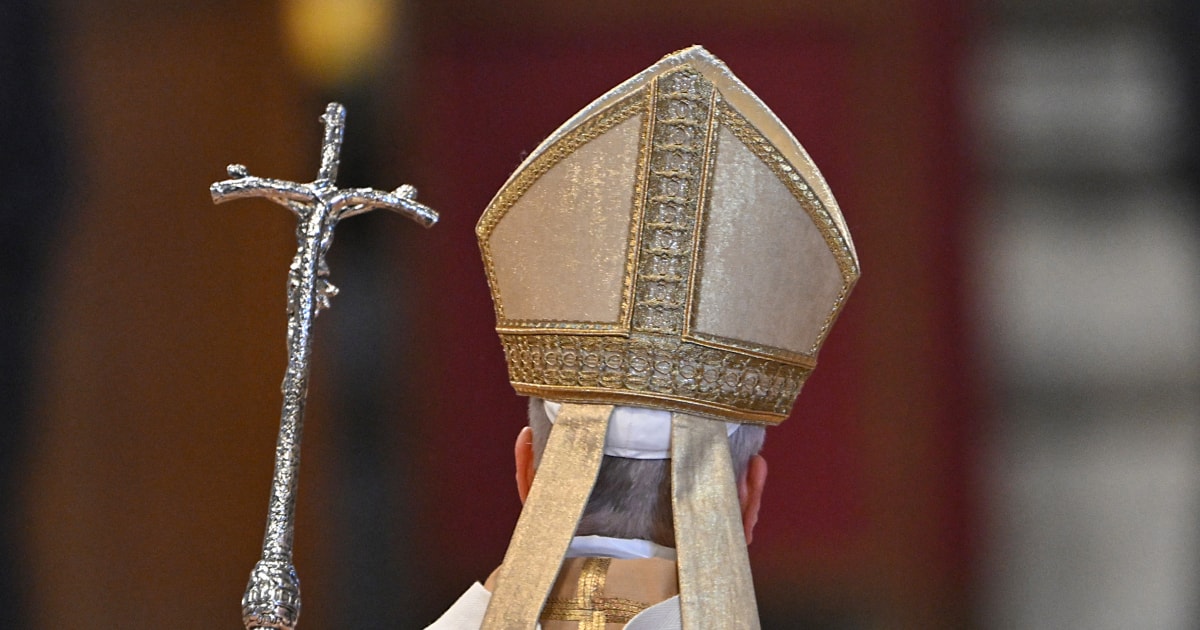
Was it a natural gesture of diplomatic welcome or a misguided act of faux ecumenism further cementing division, when the Holy See extended a warm welcome to Sarah Mullally this week?

The discourse has been on little else since Leo returned to Rome after concluding his Africa voyage. He took no obvious respite, jumping straight back into a full range of audiences and appointments as soon as the next morning. But this aspect plays second fiddle to the issue of Mullally – the Anglican archbishopess of Canterbury – embarking on a four-day trip to Rome and the Holy See.
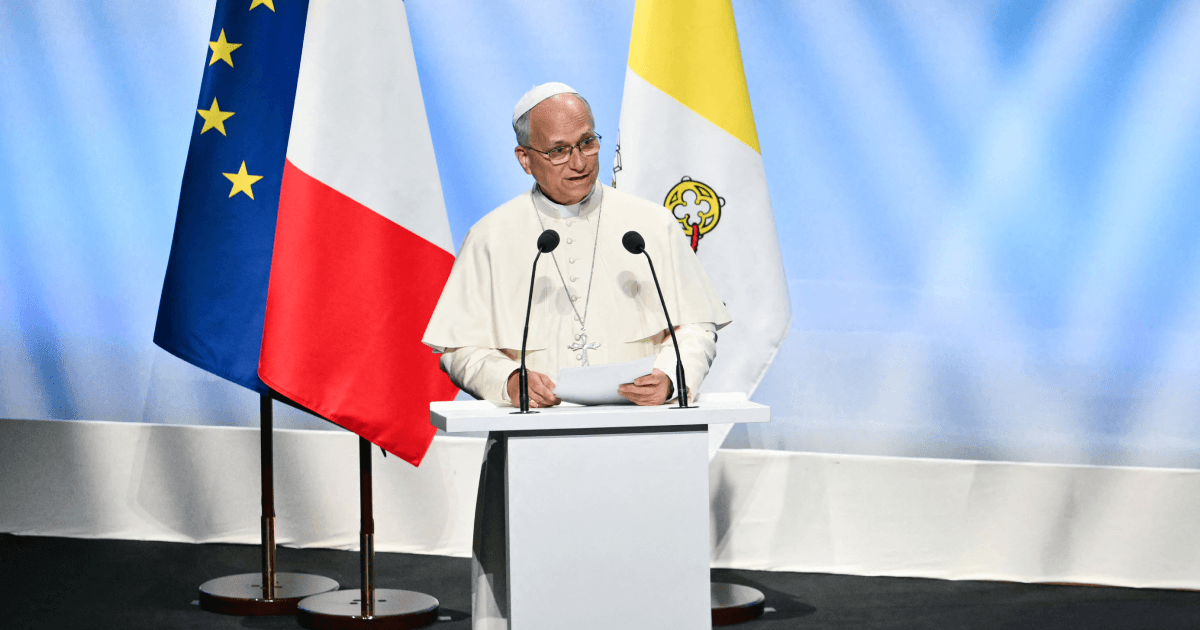
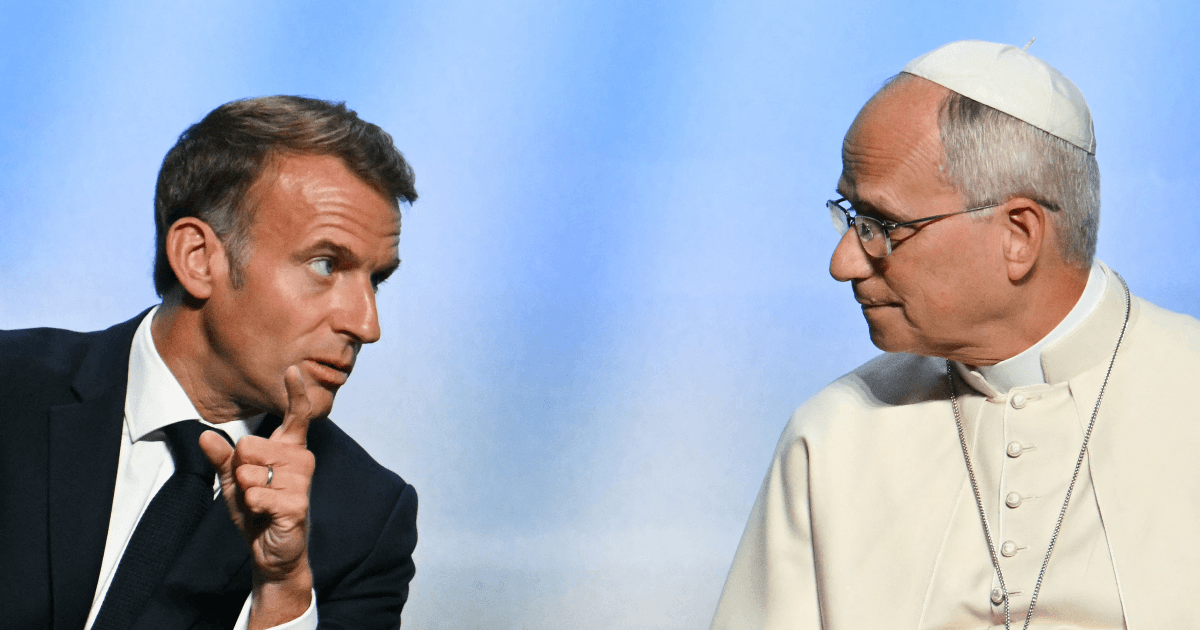
Her itinerary included all the papal basilicas around the city, as she received a private tour of each and was admitted into the chapels closest to the various relics in order to pray. St Paul’s Outside the Walls, St John Lateran, St Mary Major and St Peter’s all became the settings of Mullally’s self-described ‘pilgrimage’, and thus of a glorified promotional photoshoot.

Because this is essentially all it was. As the Catholic Herald’s Thomas Colsy opined: ‘Mullally now occupies a position almost as symbolically important as it is institutionally consequential.’ Her very occupying the position of Archbishop of Canterbury has been a source of internal division, and the ‘Anglican Communion’ which Leo referenced in his installation message to her now severely tests the limits of the English language and the word ‘union’.

Leo has made no secret of yearning for unity, both inside the Catholic Church and further afield. For this reason he has prioritised ecumenical encounters during his foreign travels, but also appears keen to continue the example set by his predecessors on the throne when it comes to extending the hand of welcome to the Anglicans in the hope of enticing them home to Rome.

The issue, obvious to so many outside the bubble of Rome, is that this has not worked. Certainly, under Pope Emeritus Benedict XVI the birth of the Ordinariate provided a ready space for Anglicans seeking to join Rome. But under the 12 years of Francis those numbers have not exactly blossomed in the same manner, and all the while the Vatican continues with its self-contradictory ecumenical meetings in the hope that two plus two might eventually equal five.

This has been the concern for many over Leo’s relationship with Mullally. His message for her installation was viewed as an overstepping of the proper diplomatic relationship, given that it came from the Pope – head of state and Supreme Pontiff – to a laywoman who cannot even claim to be the supreme head of the Church of England. A telegram from Cardinal Secretary of State Pietro Parolin would have been more fitting.

Then there was the fiasco of this week’s ecumenical tour. Mullally’s, now infamous, blessing in the Petrine Chapel in St Peter’s was captured on video and the footage showed Archbishop Flavio Pace making the sign of the Cross to receive her ‘blessing’. Shortly after meeting with Leo, Mullally then used a Catholic church to lead Anglican Choral Evensong and commission her representative in Rome – despite having a church of her own in which to do so.

None of this should have happened, since the Church formally rejects the validity of Anglican orders and even more firmly rejects the idea that women can receive any form of Holy Orders. Following the line laid out by his predecessors, Pope Leo XIII wrote in Apostolicae Curae: ‘we pronounce and declare that ordinations carried out according to the Anglican rite have been, and are, absolutely null and utterly void’.

Cardinal Kurt Koch also affirmed recently that the Church has not changed its position on Anglican orders. Leo is not ignorant of this either, and made a veiled reference to it when he told Mullally that ‘new problems have arisen in recent decades, rendering the pathway to full communion more difficult to discern’. The ecumenical journey, he said, has been ‘complex’.

In the American pope’s style this is about as forward as he is likely to get to calling out the elephant in the room. But many converts have argued that Leo’s very reception of Mullally, let alone granting her the use of a Catholic church for her ceremonies, is an obstacle to encouraging Anglican conversions to the Church. However, if the Holy See truly believes that encouraging Mullally in her position as an archbishopess, in order to convince her to renounce such titles and convert, then its ecumenical ideology is severely misguided.

Just this week, Leo himself has given mixed messages on the role of Catholic diplomacy. Addressing the trainee Vatican diplomats at the Pontifical Ecclesiastical Academy’s 325th anniversary celebrations, he commented how a papal diplomat ‘is specifically assigned to bear witness to the Truth that is Christ, bringing His message to the forum of nations, and becoming a sign of His love for that portion of humanity entrusted to his mission as a shepherd, even before that of a diplomat’. Were this witness of the Truth put into practice more efficaciously then Mullally would not have been given use of a Catholic church in which to hold an Anglican liturgy.

It is fair to say that her visit has emerged as one of the chief points of contention for Leo as he approaches his first anniversary of ascending to the papal throne. To mark that day, 8 May, he will make a poignant visit to both Pompeii and Naples. Pompeii is home to Italy’s much loved shrine of Our Lady of the Rosary, a place founded by St Bartolo Longo who Leo canonised in October. Leo also has a great attachment to this Marian devotion; it was to bless a newly restored image of Our Lady of Pompeii that he made a personal visit to the Domus Australia in early October.

Meanwhile the Curia continues its regular business under Leo’s pontificate. The 7 to 14 of October are the dates set for the high-profile meeting of bishops to discuss Amoris Laetitia with Leo, about which more details of the discussion will continue to emerge closer to time.

One influencing factor will be a two-day Ordinary Council of the General Secretariat of the Synod of Bishops in late June, which Leo will personally attend. The Secretariat will provide ‘organisational and methodological support’ for October’s meeting. Given that the Ordinary Council takes place just before June’s consistory, and the influence which the Secretariat seems to have wielded on the January consistory, the careful Vatican observer should look to the Synod office for the real tell on how October’s discussion will unfold.

Continue reading with a free account

Create a free account to read up to five articles each month
Create free account

You have # free articles remaining this month.

Subscribe to get unlimited access.
Sign up

subscribe to the catholic herald today

Our best content is exclusively available to our subscribers. Subscribe today and gain instant access to expert analysis, in-depth articles, and thought-provoking insights—anytime, anywhere. Don’t miss out on the conversations that matter most.
Subscribe



