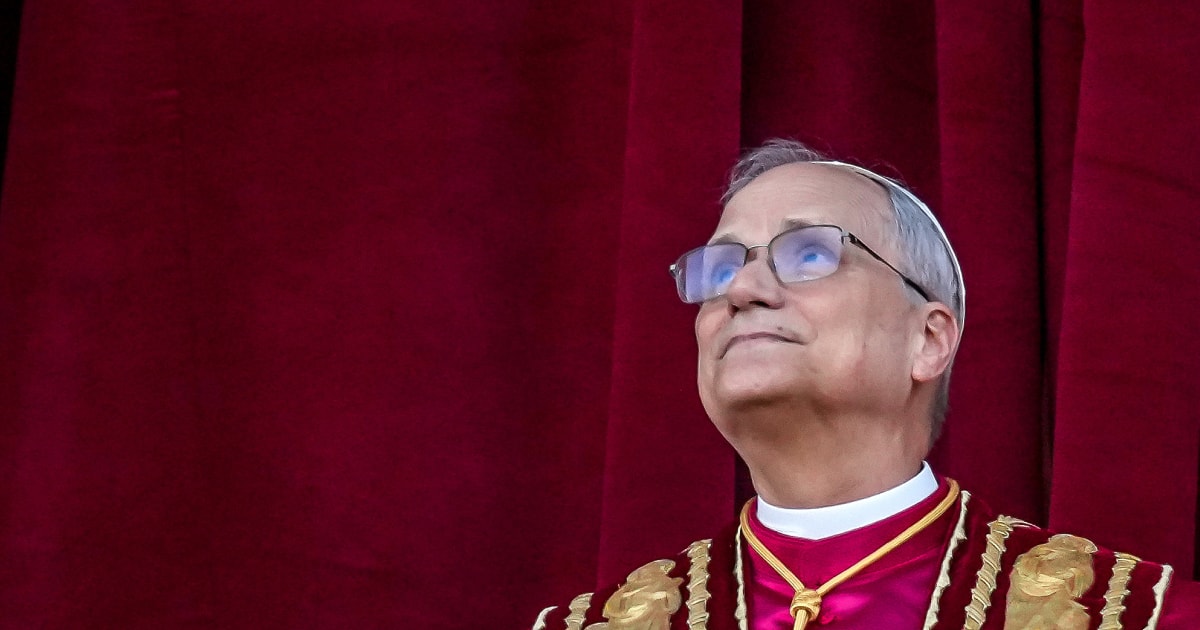
During the first Holy Week of the new Leonine pontificate, the chief attention is naturally turned to the Triduum and Easter ceremonies, but, as if by way of an early Easter egg, the start of the week offered both immense intrigue and clarity about the direction of the papacy.
So far, 2026 in Rome has been a Holy Week that will have reminded many of the Benedict XVI pontificate rather than repeating memories of recent years. Leo has been obviously keen to put his stamp on his first Easter as Pope, demonstrating not only his attachment to the ceremonies but also his physical stamina.
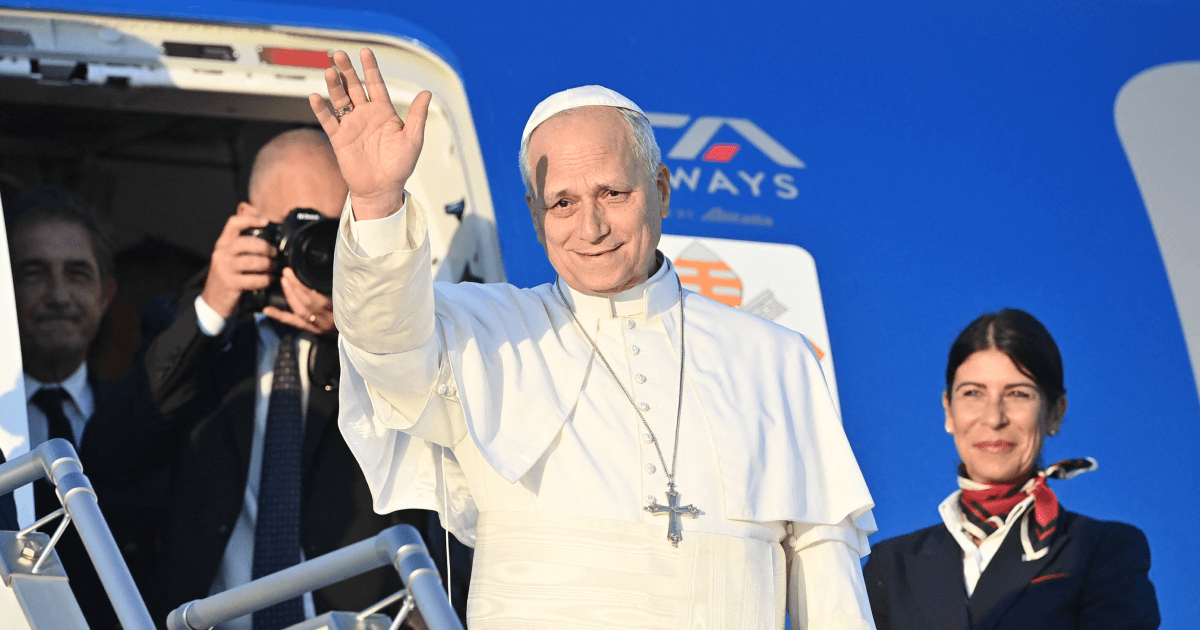
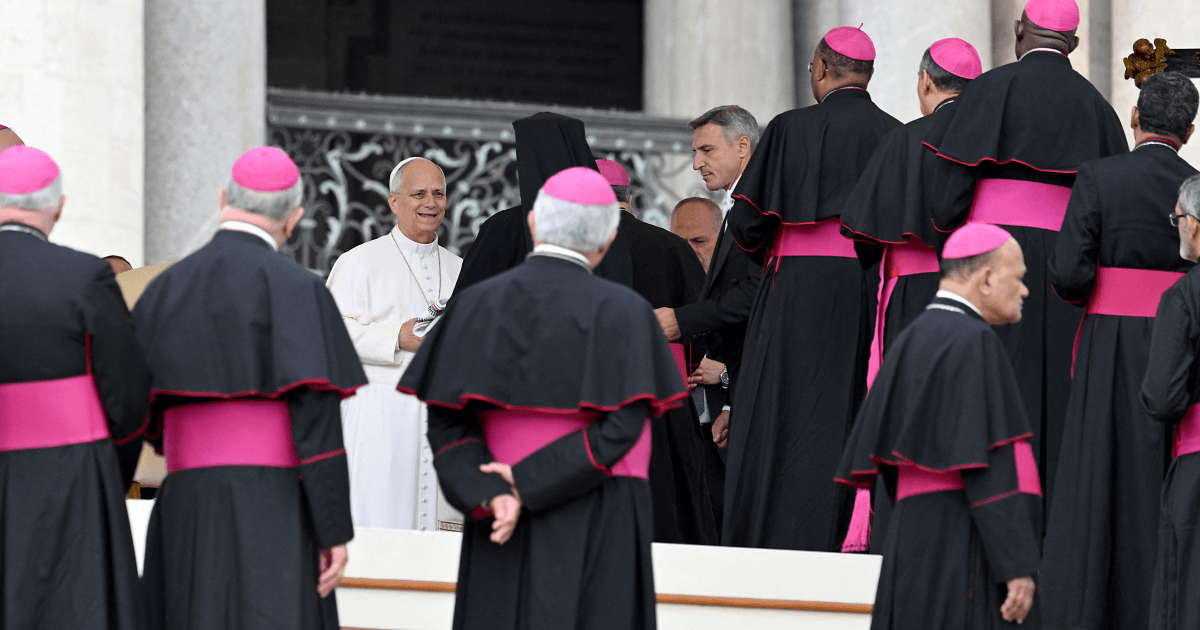
Maundy Thursday morning saw the Chrism Mass at the Vatican, during which the sacred oils were blessed and around 1,000 priests renewed their ordination promises in front of the Pope. It was a notable visual reminder of the change of epoch that has taken place in the last 12 months. Pictures from 2025 clearly show Cardinal Robert Prevost among the row of fellow cardinal-bishops at the 2025 Chrism Mass, and no doubt the surreal change in circumstances is weighing on his mind this week too.
But harking back to the days of Benedict XVI, Leo formalised the return of the Maundy Thursday evening Mass to its proper place, namely the Lateran Basilica. Pope Francis famously used this ceremony as a key part of the social outreach side of his pontificate, holding it in prisons around Rome and gradually adjusting the ceremony over time. In 2016 Francis signed a decree authorising that women could officially take part in the Mandatum ceremony for the washing of feet. These elements had two chief impacts: holding the Mass in a prison meant the clergy of Rome were consistently excluded from the event because of space limitations, which fuelled the increasingly poor relations between bishop and clergy in the Diocese of Rome. But it also divorced the crucial link between the Mandatum ceremony and the male-only priesthood.
Leo, characteristically, healed these wounds both quietly and without fanfare. For the first time since 2012, the Lateran was once again home to the Mass and the Mandatum was limited to priests only.
Similar shock waves were seen when the Vatican announced Leo would carry the Cross himself throughout all the Stations of the Cross during the customary Good Friday evening ceremony at the Colosseum. Commenting on his decision, Leo told the press on Tuesday: ‘I think it will be an important sign because of what the Pope represents: a spiritual leader in today’s world, a voice to say that Christ still suffers. And I carry all these sufferings in my prayers as well.’ This should not be surprising: during last year’s Corpus Christi procession Leo demonstrated his vitality by carrying the monstrance during the route from the Lateran to Mary Major in the height of the June heat.
Highlighting his desired proximity to the Holy Land, Leo chose Fr Francis Patton, OFM – former Custos of the Holy Land – to pen the meditations for Friday evening’s Stations. Indeed, the question of Jerusalem has been much on the minds of many, including the Pope, after the high-profile incident that took place on Palm Sunday.
Cardinal Pierbattista Pizzaballa, the Latin Patriarch of Jerusalem, was prevented by Israeli officials from accessing the Church of the Holy Sepulchre when he attempted to enter for the Palm Sunday ceremony. Authorities attested that it was done out of concern for Pizzaballa’s safety amid drone strikes, but opinions, like recollections, varied greatly on this. The crisis was resolved in favour of the Patriarchate in just under 24 hours, but only after immense international condemnation and scrutiny from numerous governments and the Holy See. Pizzaballa’s curated press statement underlined the tensions faced daily by Catholics in the Holy Land – not just in Jerusalem but across the wider Middle East – which have only increased in light of the Iran war. ‘Today Jesus weeps once more over Jerusalem,’ he lamented during his Maundy Thursday homily.
Yet before the natural importance of the Triduum overtakes the week, anyone wishing to read the tea leaves of Leo’s pontificate must pay close attention to news that broke on Monday. A trio of expected personnel assignments was finally confirmed, strengthening the security of Leo’s personal household and his influence on the activity of the Secretariat of State.
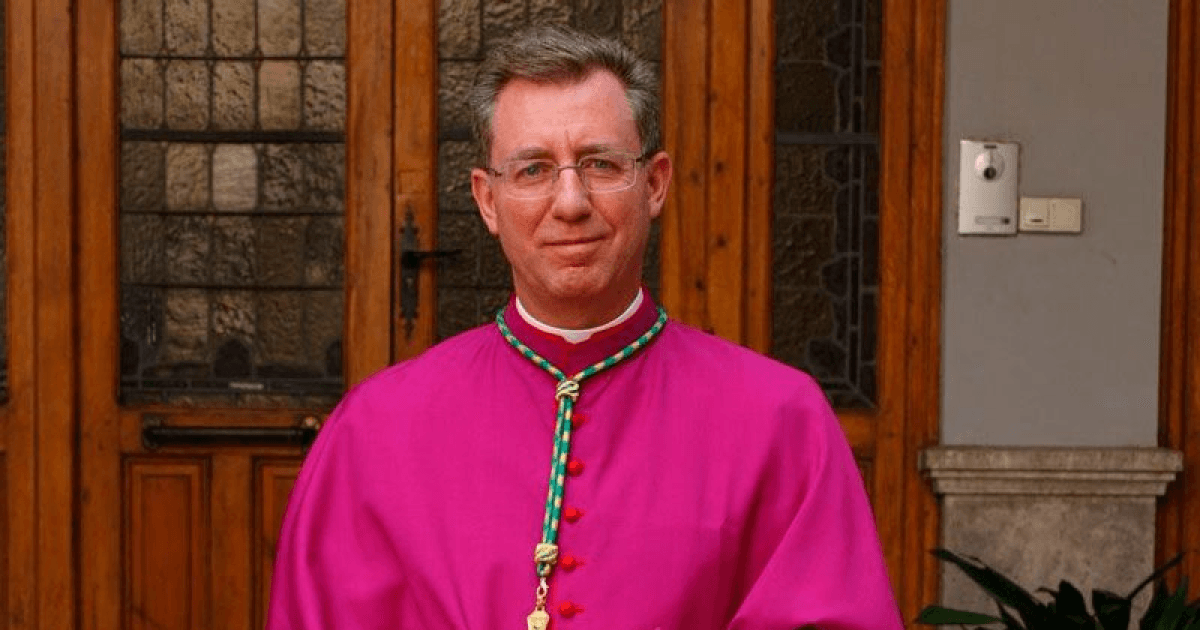
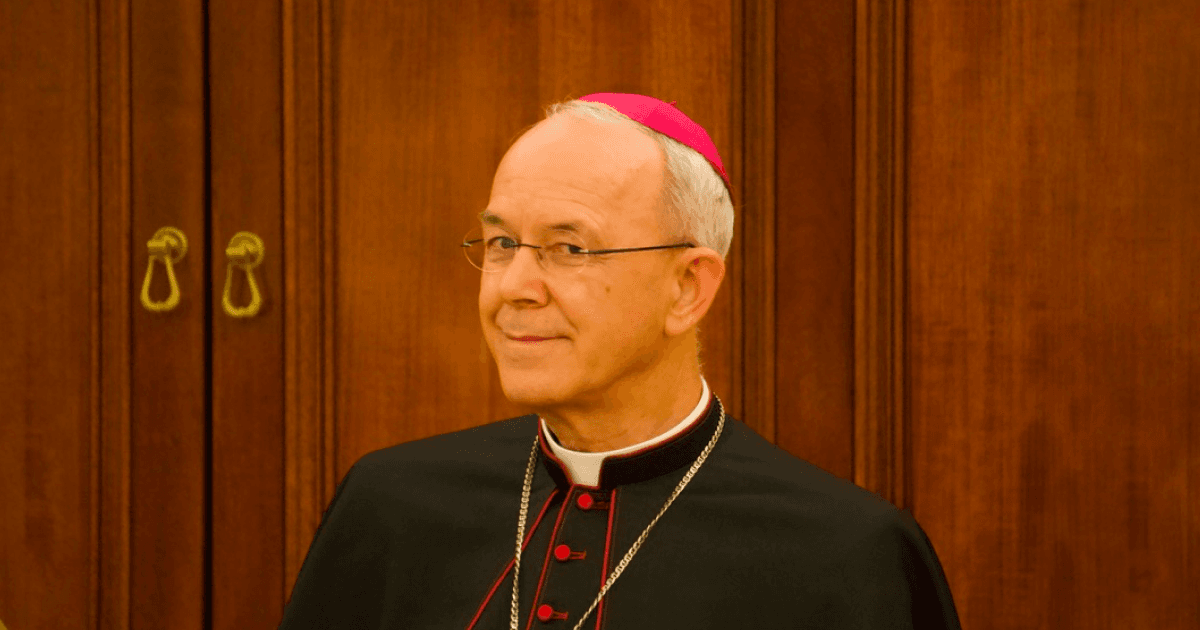
Archbishop Peña Parra was moved from his near-six-year post as Sostituto (number two) in the Secretariat to become nuncio to Italy and San Marino. The current man in that role, Archbishop Petar Rajič, was brought into the Vatican as prefect of the Papal Household. Finally, to fill the vacancy created by Peña Parra’s departure, Archbishop Paolo Rudelli was named as the new Sostituto.
All three were formed in the Vatican’s ecclesiastical academy, trained in the way of diplomacy, with Rudelli and Rajič having proved their worth in nunciature posts of particular import.
How does this affect the papacy? Peña Parra had become increasingly embroiled in scandal, including most recently over the Vatican financial trial, and even prior to that, well-documented concerns about his personal morality had dogged the Venezuelan prelate for years. Leo undoubtedly will prefer the clean record of Rudelli as Sostituto, especially as the role entails being the Pope’s chief of staff and liaising with him almost daily.
Leo thus shows himself keen to quietly reform the image of the Vatican, as well as its inner workings. Had he changed the position of Secretary of State while leaving Peña Parra in place, this arguably would have made less of an impact than changing the Sostituto.
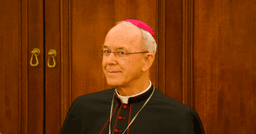
As for naming Rajič to lead the Papal Household, this both resolves a long-standing anomaly and gives further evidence of how Leo is learning to operate as Pope. The prefect had been an empty position since Archbishop Gänswein left in early 2023, and a new occupant heals another peculiar anomaly that was allowed to occur under Francis. But it also likely signals the upcoming departure of Mgr Leonardo Sapienza, who has served in the Household for many years.
In this way, Leo has thus arranged a completely new set of faces around him – chosen by him and not inherited. All appear competent, but crucially for Leo they are without direct links to the previous pontificate, meaning that a relationship of trust is more easily nurtured among the residents of the Apostolic Palace.
.jpg)