The Leonine Vatican has formally issued a warning of schism and excommunication to the Society of St Pius X, while at the same time publicly marking the annual “Day of Friendship” with the schismatic Coptic Orthodox Church.
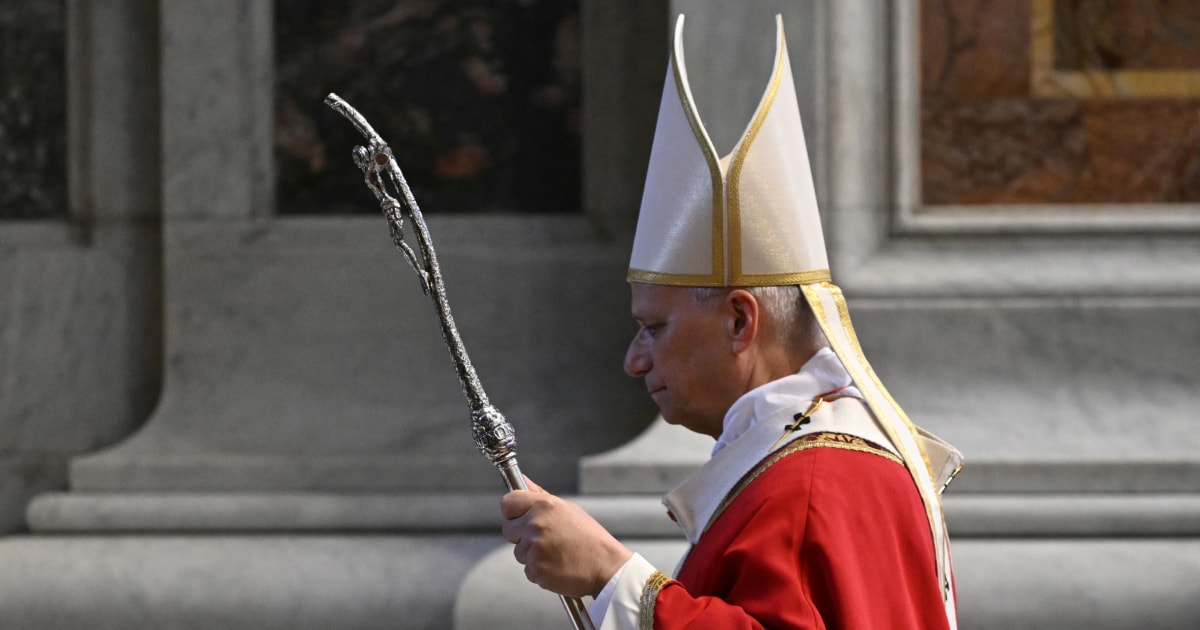
After many weeks of pregnant silence, the Holy See finally responded to the Society of St Pius X’s (SSPX) decision to proceed with its 1 July episcopal consecrations. A note issued by Cardinal Victor Manuel Fernández outlined the Vatican’s red line. Should the consecration of bishops go ahead as planned in July, Fernández wrote that this would constitute “a schismatic act” which “entails the excommunication established by the law of the Church”.
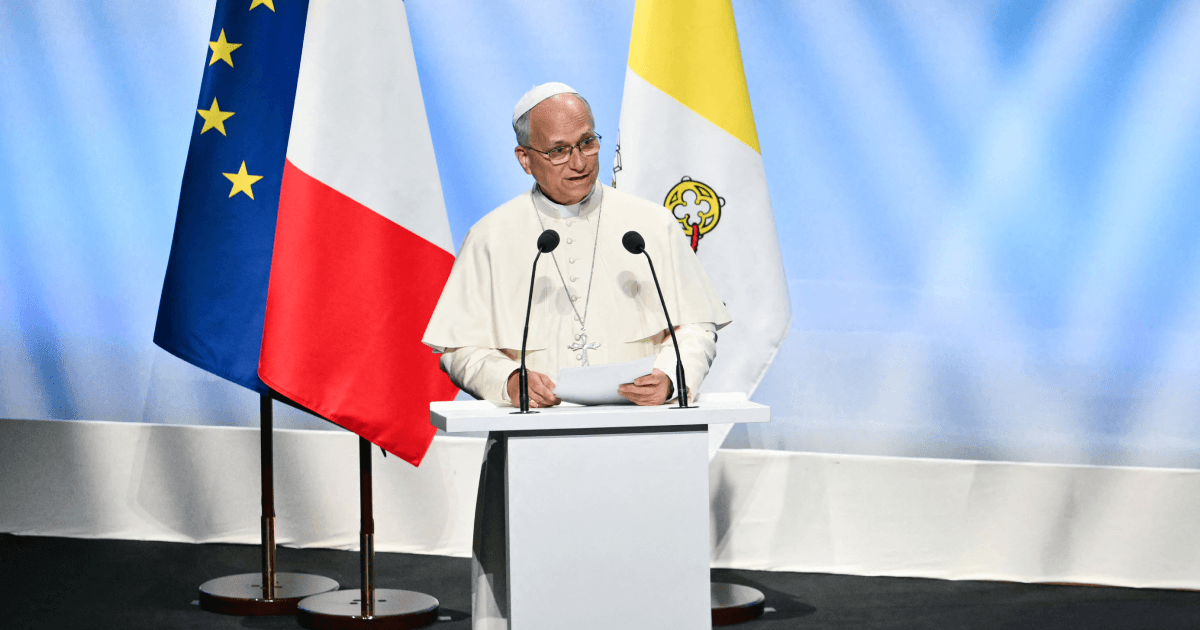
The Pope, added Fernández, continues to pray that the SSPX superiors “may reconsider the extremely grave decision they have taken”.
Such a declaration was anticipated, but was no less striking, and it demonstrates that the somewhat more permissive grey zone the SSPX enjoyed under Francis is about to come to a harsh end. Francis was a man whose pontificate was influenced by relationships, and curiously enough he developed a working relationship with the Society, despite being the source of many of the doctrinal concerns they now cite as fuelling the “state of emergency”. Leo is more focused on the law, at least in certain areas.
This situation was almost entirely predictable. In terms of global ramifications, Leo would never have been able to allow the Society to consecrate bishops without the papal mandate and yet avoid penalties, as the next step would be for every wayward bishops’ conference to do likewise, most likely Germany as the first case.
What many have urged – including the Holy See’s own visitor to the SSPX, Bishop Athanasius Schneider – was for Leo to grant the papal mandate, and to at least also meet with the Society, but neither of these have happened.
The Society has also anticipated such a result. The difference between 2026 and the 1988 consecrations is that with Leo and Fernández at the helm of any potential negotiations, it appears unlikely that there might be any resolution in the near future, or even in the next few years after the consecrations.
Division will thus run rampant amongst many in the Church over the question of the Society. In Bishop Schneider’s assessment, though, such an excommunication would not be valid. “It would be in some way not valid because there is no intention to do a schismatic act on the side of the Society of Pius X, and you cannot be punished when you have not the intention to do it, according to the canon law,” he told me a few weeks ago.
Indeed, the Society has argued similarly itself, issuing a Declaration of Faith this week which it says “seems to us to correspond to the minimum indispensable to be in communion with the Church, and to truly call ourselves Catholics and, consequently, your sons”. Given the tone of Fernández’s note, no further outreach from the Vatican is anticipated.
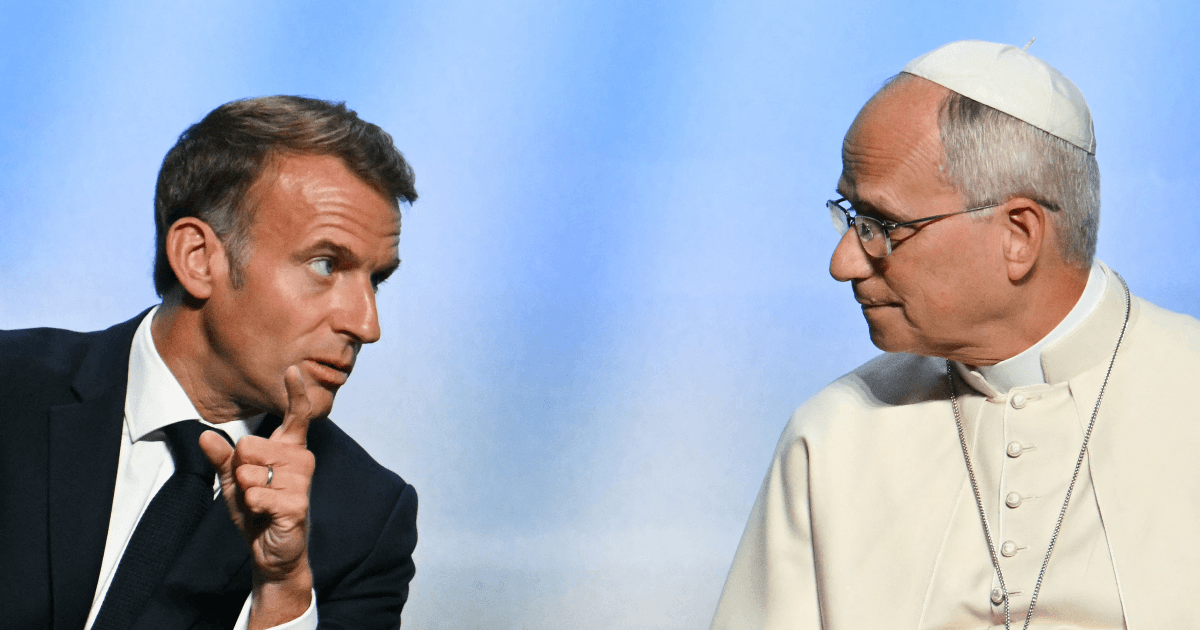
But herein lies somewhat of a peculiar juxtaposition, since this week the Vatican also marked the “Day of Friendship” between the schismatic Coptic Orthodox Church and the Holy See. An event established by Pope Francis, it is now being taken up with renewed vigour by Leo. The Pope called the Patriarch, Pope Tawadros II, expressing a “desire to give new impetus to the celebration of the Day of Friendship between Copts and Catholics, seeking to overcome any obstacles to dialogue in faith and charity”.
The difference in tone will not be overlooked by the Society and will likely only cement the SSPX’s decision as being a “matter of conscience in the face of the errors that are destroying Catholic faith and morals”.
Still simmering with controversy is the fallout from Synod Study Group 9, reported by the Catholic Herald last week. Cardinal Willem Eijk has now joined his voice to that of Cardinal Gerhard Müller in critiquing the text, with Eijk labelling the document “a fundamental contradiction of Catholic teaching that demands a forceful response”.
Crucially, Eijk noted that “a number of cardinals and bishops will make their objections known to the Roman Magisterium” over the publication of the synod text – a text now so controversial that the Secretariat of the Synod is officially distancing itself from it.
It was a tumultuous week, which also saw the death of the former nuncio to Italy, 79-year-old Cardinal Tscherrig, and a move by pro-Iranian voices to portray a customary diplomatic award to the Iranian Ambassador to the Holy See as a sign of special Vatican favour.
The Vatican will no doubt thus be more content with the warm reception awarded to Leo XIV during his Ascension Day visit to Rome’s liberal La Sapienza university. He urged students to work for peace and not to lose sight of their dignity as creatures of God in light of an increasingly digital world.
But more than the – admittedly somewhat generic – address, Leo’s very presence was the message and the news event. Pope Emeritus Benedict XVI had been due to speak at the university in January 2008, but widespread protests amongst staff and students led to the shock cancellation of the papal visit. Benedict later published his prepared speech in which he urged a search for truth.
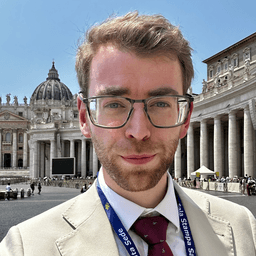
Meanwhile, in local news, the UK’s next Ambassador to the Holy See was announced as Ms Tarandip Kaur Sandhu MBE, who will take up her new role in August and succeed the outgoing Ambassador Chris Trott, who has held the role since 2021.
Ambassador-designate Sandhu’s prior record on LGBT issues has come under scrutiny since news of the appointment broke this week, given her role as a public supporter of LGBT parades in California during her official posting there. Ambassadors to the Holy See advocate for many issues, but official advocacy for such a cause will not marry well with the Vatican’s teaching, and the incoming ambassador will have to walk a careful line on such a point.

.jpg)


.jpg)