




June 26, 2026

A pro-life culture must be lived, not merely defended

Delphine Chui
More
Related
Min read
share

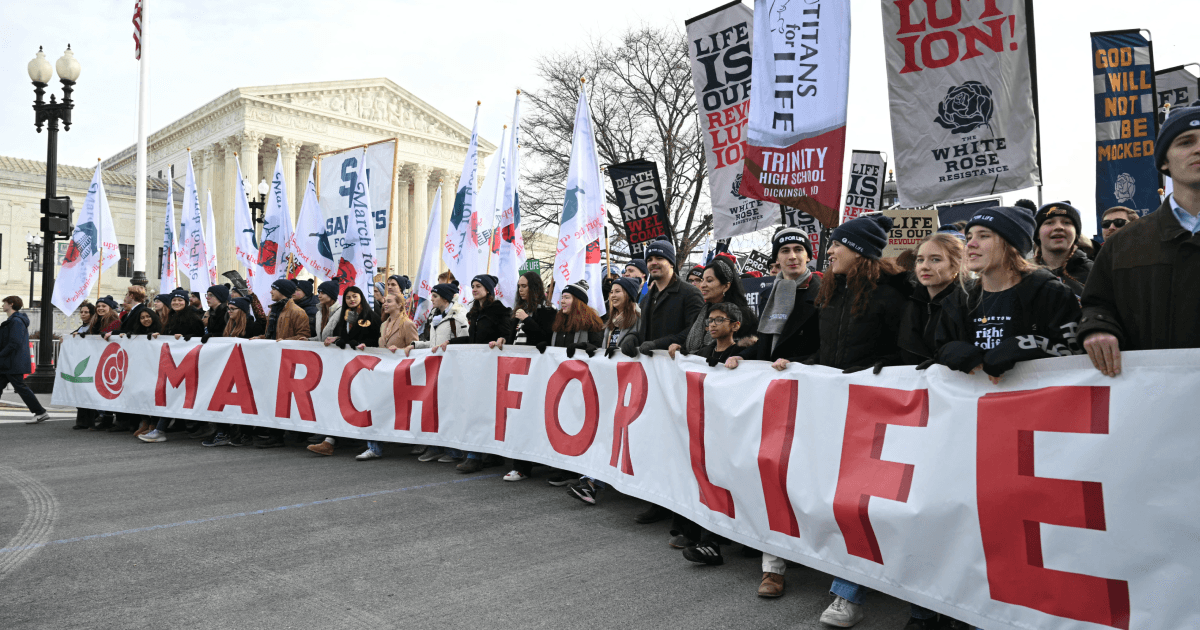
As Catholics, we rightly spend a great deal of time defending unborn life. We attend March for Life events, support pregnancy centres, pray outside abortion clinics, write to MPs and speak publicly about the dignity of every human person from conception until natural death. And in a culture that increasingly treats human worth as conditional on output, this public witness matters enormously.

But every so often I find myself asking an uncomfortable question: what does it actually look like to build a culture of life? Not simply to argue for life, nor merely to vote for life, but to truly embody it.
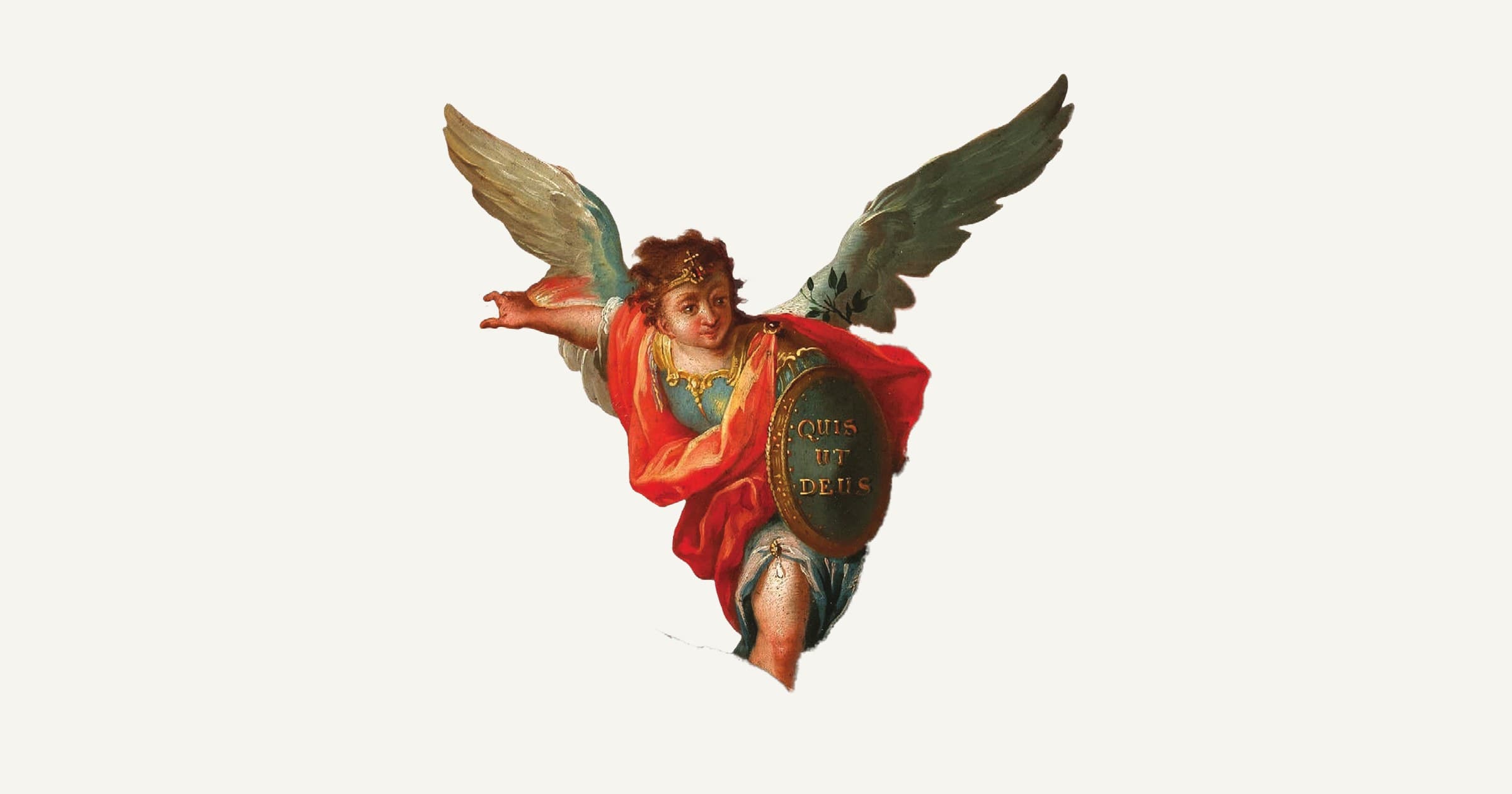

Pope St John Paul II’s vision in Evangelium Vitae was never limited to opposition to abortion. He called for the creation of a “culture of life”: a society in which every person is welcomed, protected, accompanied and valued, especially when they are vulnerable or dependent upon others.

And that is where the conversation can become more challenging. Because while many of us are willing to defend life in principle, it is often far harder to make room for it in practice, recognising that life-giving love extends far beyond biological parenthood.

Think of the group outing where no one thinks to invite the child who may need additional support, or where assumptions are made about what a disabled child can or cannot manage without ever asking their caregivers, or the family quietly struggling in isolation as they care for a vulnerable child or an elderly relative.

None of this usually comes from cruelty. It comes from a temptation that affects all of us: the desire for ease. If we are serious about being pro-life, we must confront the truth that the people whose lives we defend most passionately are often the very people who require the greatest sacrifice from the communities around them once they arrive. It is easy to say that every life has value, but harder, in reality, to rearrange our schedules, lower our expectations and share our resources accordingly. 

The challenge extends far beyond disability. A genuinely pro-life culture notices the exhausted mother who has not had an hour to herself in months; the adult child caring for an ageing parent while quietly disappearing from social life; the couple carrying the grief of infertility; the lonely single person longing for marriage and family; the foster carer opening their home to children who are not biologically their own; and the young father working two jobs to support his family.

Perhaps one area Catholics should speak about more often is fostering and adoption. If we truly believe every child is a gift, then opening our homes, our resources and our hearts to children who need stability, belonging and love should be seen not as an exceptional vocation for a heroic few, but as a beautiful expression of Christian charity. Not everyone is called to foster or adopt, but all of us are called to help create communities where families who do are supported rather than left to carry the burden alone.

Increasingly, however, we live in a culture that struggles to make sense of sacrifice. Even within Christian circles, the language of self-protection often dominates. We are told to protect our peace, enforce stronger boundaries and prioritise ourselves. While there is wisdom in healthy boundaries, sometimes this language becomes so absolute that we forget Christianity is fundamentally about self-gift.

Over the years, caring responsibilities have often prevented me from attending social events, accepting invitations or participating in activities that others take for granted. More than once, well-meaning people have responded by telling me that I simply need “better boundaries”. Perhaps; but sometimes the issue is not poor boundaries, sometimes it is love.

The tragedy is that people in caregiving circumstances often become invisible. Their lives do not fit neatly into modern narratives of success, independence or self-actualisation and, when their struggles become difficult to explain, they gradually withdraw because they assume nobody understands.

That is where the Church should be different. If we truly believe every human person possesses infinite dignity, then our parishes, schools, social groups and communities should be places where the vulnerable are not merely tolerated, but actively sought out.

Being pro-life means inviting the disabled child to the birthday party, even if accommodations are required, offering respite to exhausted caregivers, checking on the elderly parishioner who rarely leaves home, mentoring young people who lack stable role models and becoming communities that are genuinely, and tangibly, life-giving.

Too often, we assume building a culture of life is solely the responsibility of parents. But the Church has always understood that raising children, supporting families and helping people flourish is a communal task.

Likewise, genuinely pro-life communities make room for children of all abilities. Parents and caregivers of disabled or neurodivergent children often experience awkwardness, exclusion or the subtle sense that their family's presence creates inconvenience for others. The world already sends these families the message that they are too complicated, too demanding or too disruptive, and the Church should never echo that. Instead, we should be the first to say: “Come, because you belong here.”

This also requires us to teach our own children how to respond to difference with kindness rather than fear, bullying or avoidance. A culture of life is built when children learn that every person possesses dignity, even when they communicate, learn or behave differently.

One of the most beautiful truths of Christianity is that family has never been limited to blood alone. The Church herself is a family. And throughout history, Christians have cared for widows, orphans, the sick, the disabled and the abandoned not because they belonged to them biologically, but because they belonged to Christ.

If we want a culture of life, we must begin by asking ourselves: do our daily choices actually recognise the dignity of the people closest to us? Are we willing to make room for the people who disrupt our comfort, plans and assumptions? Are we willing to live without contradiction between what we defend publicly and what we practise privately?

The measure of our pro-life convictions is not simply how passionately we defend life in public debates; it is how faithfully we make room for it in our everyday lives, because ultimately, being pro-life is not only about ensuring people are born, but ensuring they are welcomed once they arrive.

Continue reading with a free account

Create a free account to read up to five articles each month
Create free account

You have # free articles remaining this month.

Subscribe to get unlimited access.
Sign up

subscribe to the catholic herald today

Our best content is exclusively available to our subscribers. Subscribe today and gain instant access to expert analysis, in-depth articles, and thought-provoking insights—anytime, anywhere. Don’t miss out on the conversations that matter most.
Subscribe



