
December 9, 2025

Advent around the world

Min read
share

As children – not to mention a number of sweet-toothed adults too – open their first advent calendar doors and as the world is decked in coloured lights and tinsel, it is worth reflecting on this season and how it has changed throughout time and across places.

Advent – from the Latin Adventus (“Coming”) – represents a time of waiting and preparation. For early and medieval Christians, this preparation echoed Lent – again preparing mind, body and soul through prayer, almsgiving and fasting.  

The Council of Tours, 461 AD, established that monks should fast from the feast of St Martin on 11 November to Christmas Day; and this was then expanded to the laity at the Council of Macon in 585 AD.  
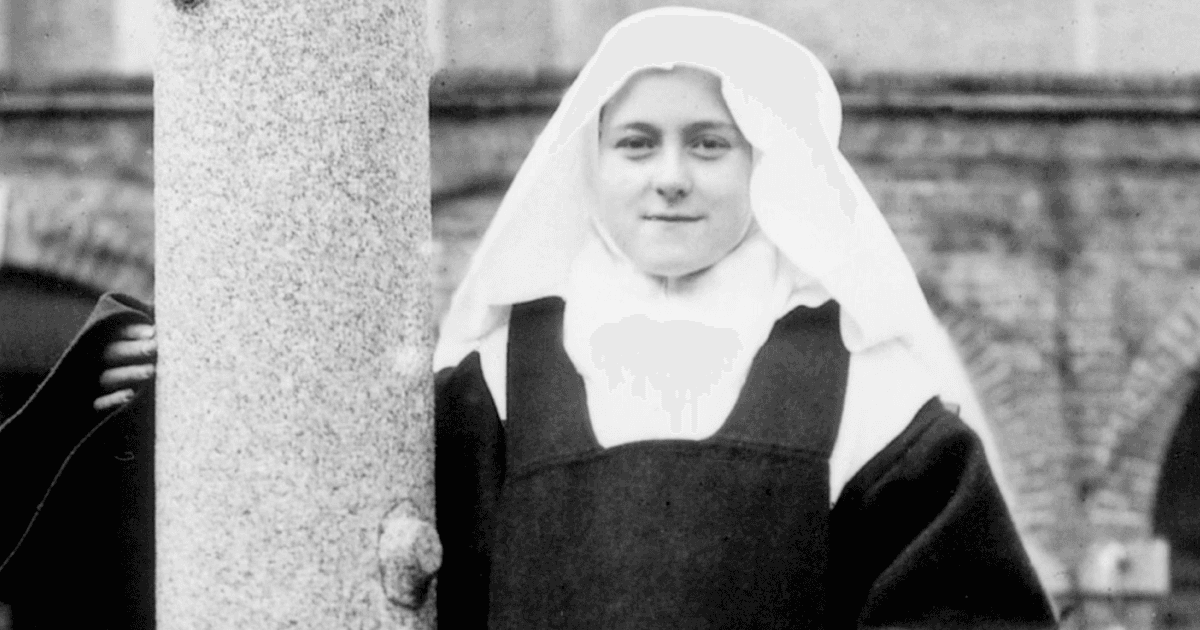
Known as St Martin’s Lent, it was mandated for French Catholics but spread widely across Christendom – often called the Christmas Fast, as described in the writings of St Francis of Assisi. These traditions are still maintained today by many Orthodox Christians: in Russia they will abstain from meat and dairy until Christmas Eve; in Ethiopia, Christians will eat only one vegan meal a day until 7 January when they celebrate Genna – the Epiphany.

Advent also represents a season of light. The birth of Christ, the light of the world, is celebrated across cultures. There are the four advent candles lit at Mass – with the fifth white Christmas candle always in the centre. There are the lights on Christmas trees, in small candles in model villages, and in the candles within advent wreaths. 

In the Philippines, there will be a novena of dawn Masses (Simbang Gabi) from 16-24 December with parols, star-shaped coloured bamboo and paper lanterns. In Mexico and Central America during this same novena window, there is the Las Posadas where young children will go from home to home asking for a room at the inn, or walking in processions, often carrying small candles or lanterns to illuminate themselves. 

And in the Ethiopian and Coptic Orthodox Churches, the season culminates at Genna with worshippers all dressed in white while singing and bearing candles. As Pope Francis put it: “Advent is a journey towards Bethlehem. May we let ourselves be drawn by the light of God made man.”

Many of our beloved Advent traditions in Britain come from German and central European traditions. The Advent wreath, the Christmas tree, the Winter/Christmas market and even the Advent calendar itself all came from German traditions and crafters. 

The tradition of Christingle oranges decorated with ribbons and with candles placed in the fruit was originally a Moravian devotional for children. The wreath from the mid 19th century and the advent calendar from the early 20th century are modern additions to the festive season; the latter only becoming ubiquitous from the mid-1950s with Cadbury’s making chocolate advent calendars. 

Silent Night, one of the most beautiful Christmas carols – and famously sung by the opposing sides during the Christmas truce of the first year of World War I – was a 19th-century work of collaboration between an Austrian Catholic priest and his organist, a local primary school teacher, which was inspired in the aftermath of the blood shed by the Napoleonic wars.

The season is shaped and inspired by many saints – both those declared and those hidden by history. The nativity scenes in every church and most Christian homes come directly from St Francis, the Povorello of Assisi. In Greccio, he staged a full reenactment of the Nativity scene with live oxen and donkeys and a stable recreated so that the villagers could see and partake in the original Christmas story. 

Today, in churches around the world there are endless small nativity scenes – from sombrero-wearing shepherds, to wise men in the clothes of the Masai. The carols sung today have their origins in the advent songs of monks from the middle ages who developed the O Antiphons which have been handed down to us virtually unchanged.

Advent, however, does not trace its origins to the first Christian communities and the early Church. We know this because there are writings that list the feasts and festivals of the Church and which omit not just Advent but also Christmas as a major feast or service.

Moreover, Origen noted that Christians do not celebrate their birthdays like the pagans, and that they do not even celebrate the birthday of our Saviour. How then did the Church change so profoundly from omitting entirely this feast to it becoming one of the great witnesses of the Christian tradition that still brings together families, brings people back to Church who may not have been all year, and which continues to shape the cultural milieu each year even in an increasingly pluralistic and secular West?

The importance of celebrating both the birth of Christ and the period leading up to it emerged once the Church established a date for the birth, marking it official in 336 AD. From that point, the celebrations seem to have developed both organically by the faithful wishing to celebrate the birth of the Saviour, but also by the Church in response to Arianism and the schisms which emerged over the humanity of Christ. The nativity – Christ being born and made incarnate – illustrated both His divinity and humanity.

Early Church writings show it had become a major feast within 50 years of that declaration of the date of Christ’s birth and by 380AD at the Council of Saragossa there occurred the first references to Advent being a time of preparation with the need for special services to be celebrated and Christians being encouraged to attend daily Mass from 17 December to 6 January.

For Christians, Advent is a time of preparation, both for Christmas Day but also in anticipation for seeing Christ at the Second Coming at the End of Time. 

St Bernard of Clairvaux gave an Advent homily that has endured in the treasury of the Church’s life. He characterised the Advent season as a reminder of the three comings of Christ – in Bethlehem as the Christ Child in a manger, at the End of Times as the judge, and then also invisibly each day as the Good Shepherd in the lives of Christians who love Him. 

For this great abbot, this season of Advent was a rich and fruitful time to meditate on these three comings of Christ, and whether we fast, celebrate traditions at home or in our communities, the message of St Bernard remains timeless and should shape our Advent. 

“Let it penetrate deep into the core of your soul and then flow out again in your feelings and the way you behave,” said St Bernand. “Because if you feed your soul well it will grow and rejoice.”

As children – not to mention a number of sweet-toothed adults too – open their first advent calendar doors and as the world is decked in coloured lights and tinsel, it is worth reflecting on this season and how it has changed throughout time and across places.

Advent – from the Latin Adventus (“Coming”) – represents a time of waiting and preparation. For early and medieval Christians, this preparation echoed Lent – again preparing mind, body and soul through prayer, almsgiving and fasting.  

The Council of Tours, 461 AD, established that monks should fast from the feast of St Martin on 11 November to Christmas Day; and this was then expanded to the laity at the Council of Macon in 585 AD.  
Known as St Martin’s Lent, it was mandated for French Catholics but spread widely across Christendom – often called the Christmas Fast, as described in the writings of St Francis of Assisi. These traditions are still maintained today by many Orthodox Christians: in Russia they will abstain from meat and dairy until Christmas Eve; in Ethiopia, Christians will eat only one vegan meal a day until 7 January when they celebrate Genna – the Epiphany.

Advent also represents a season of light. The birth of Christ, the light of the world, is celebrated across cultures. There are the four advent candles lit at Mass – with the fifth white Christmas candle always in the centre. There are the lights on Christmas trees, in small candles in model villages, and in the candles within advent wreaths. 

In the Philippines, there will be a novena of dawn Masses (Simbang Gabi) from 16-24 December with parols, star-shaped coloured bamboo and paper lanterns. In Mexico and Central America during this same novena window, there is the Las Posadas where young children will go from home to home asking for a room at the inn, or walking in processions, often carrying small candles or lanterns to illuminate themselves. 

And in the Ethiopian and Coptic Orthodox Churches, the season culminates at Genna with worshippers all dressed in white while singing and bearing candles. As Pope Francis put it: “Advent is a journey towards Bethlehem. May we let ourselves be drawn by the light of God made man.”

Many of our beloved Advent traditions in Britain come from German and central European traditions. The Advent wreath, the Christmas tree, the Winter/Christmas market and even the Advent calendar itself all came from German traditions and crafters. 

The tradition of Christingle oranges decorated with ribbons and with candles placed in the fruit was originally a Moravian devotional for children. The wreath from the mid 19th century and the advent calendar from the early 20th century are modern additions to the festive season; the latter only becoming ubiquitous from the mid-1950s with Cadbury’s making chocolate advent calendars. 

Silent Night, one of the most beautiful Christmas carols – and famously sung by the opposing sides during the Christmas truce of the first year of World War I – was a 19th-century work of collaboration between an Austrian Catholic priest and his organist, a local primary school teacher, which was inspired in the aftermath of the blood shed by the Napoleonic wars.

The season is shaped and inspired by many saints – both those declared and those hidden by history. The nativity scenes in every church and most Christian homes come directly from St Francis, the Povorello of Assisi. In Greccio, he staged a full reenactment of the Nativity scene with live oxen and donkeys and a stable recreated so that the villagers could see and partake in the original Christmas story. 

Today, in churches around the world there are endless small nativity scenes – from sombrero-wearing shepherds, to wise men in the clothes of the Masai. The carols sung today have their origins in the advent songs of monks from the middle ages who developed the O Antiphons which have been handed down to us virtually unchanged.

Advent, however, does not trace its origins to the first Christian communities and the early Church. We know this because there are writings that list the feasts and festivals of the Church and which omit not just Advent but also Christmas as a major feast or service.

Moreover, Origen noted that Christians do not celebrate their birthdays like the pagans, and that they do not even celebrate the birthday of our Saviour. How then did the Church change so profoundly from omitting entirely this feast to it becoming one of the great witnesses of the Christian tradition that still brings together families, brings people back to Church who may not have been all year, and which continues to shape the cultural milieu each year even in an increasingly pluralistic and secular West?

The importance of celebrating both the birth of Christ and the period leading up to it emerged once the Church established a date for the birth, marking it official in 336 AD. From that point, the celebrations seem to have developed both organically by the faithful wishing to celebrate the birth of the Saviour, but also by the Church in response to Arianism and the schisms which emerged over the humanity of Christ. The nativity – Christ being born and made incarnate – illustrated both His divinity and humanity.

Early Church writings show it had become a major feast within 50 years of that declaration of the date of Christ’s birth and by 380AD at the Council of Saragossa there occurred the first references to Advent being a time of preparation with the need for special services to be celebrated and Christians being encouraged to attend daily Mass from 17 December to 6 January.

For Christians, Advent is a time of preparation, both for Christmas Day but also in anticipation for seeing Christ at the Second Coming at the End of Time. 

St Bernard of Clairvaux gave an Advent homily that has endured in the treasury of the Church’s life. He characterised the Advent season as a reminder of the three comings of Christ – in Bethlehem as the Christ Child in a manger, at the End of Times as the judge, and then also invisibly each day as the Good Shepherd in the lives of Christians who love Him. 

For this great abbot, this season of Advent was a rich and fruitful time to meditate on these three comings of Christ, and whether we fast, celebrate traditions at home or in our communities, the message of St Bernard remains timeless and should shape our Advent. 

“Let it penetrate deep into the core of your soul and then flow out again in your feelings and the way you behave,” said St Bernand. “Because if you feed your soul well it will grow and rejoice.”

share

subscribe to the catholic herald today

Our best content is exclusively available to our subscribers. Subscribe today and gain instant access to expert analysis, in-depth articles, and thought-provoking insights—anytime, anywhere. Don’t miss out on the conversations that matter most.
Subscribe