
July 27, 2026

As Pope Leo returns to work, he needs our prayers

Dom Alcuin Reid
More
Related
Min read
share

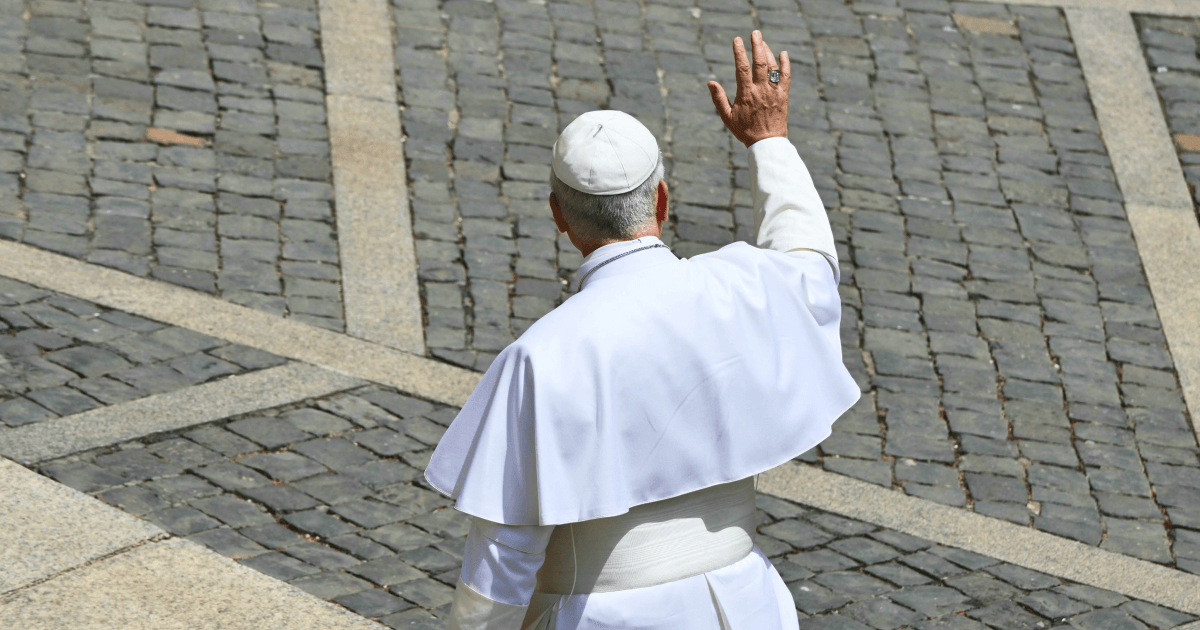
Returning from holiday involves the realisation that matters temporarily put aside must once again be attended to, hopefully with renewed energy and greater clarity of mind and purpose. The Holy Father’s return from holiday this week will no doubt involve such a realisation and, please God, his period of rest will have been a true period of physical and psychological restoration. For his inbox, in-tray and diary are no doubt enormous, and even the work of prioritising that to which he can turn his attention on any given day or week is, of itself, a significant challenge.

The question of the personnel of the Roman Curia surely ranks highly on the “to-do” list. Several dicasteries have prefects well beyond the normal retirement age, and even among those not yet due to retire there may be very good reasons to replace some officials inherited from the previous papacy. Pope Leo needs his own team of competent and loyal officials, not those selected because of their subservience or their subscription to a past ideology. In most of his senior curial appointments thus far, the Holy Father seems to have selected personnel who are far from being “yes men” and who seem to be competent in their own right. May he find many more!

This may not be as easy as it seems. The pool from which to draw does not seem to be very large – as can be seen from some quite frankly astounding episcopal appointments in the past year: men whose fidelity to the basics of Catholic faith and morals is sometimes questionable and whose promotion of fringe agendas is all too prominent. This only serves further to damage the unity of the Church and to scandalise faithful laity and clergy. It is very difficult to understand how the Holy Father can sign off such appointments. Certainly, he cannot personally examine every detail of every candidate, but his officials seemingly need to do so much more thoroughly. The need to pension off some pre-existing appointments is also a live issue, but, again, finding suitable replacements is not always easy.

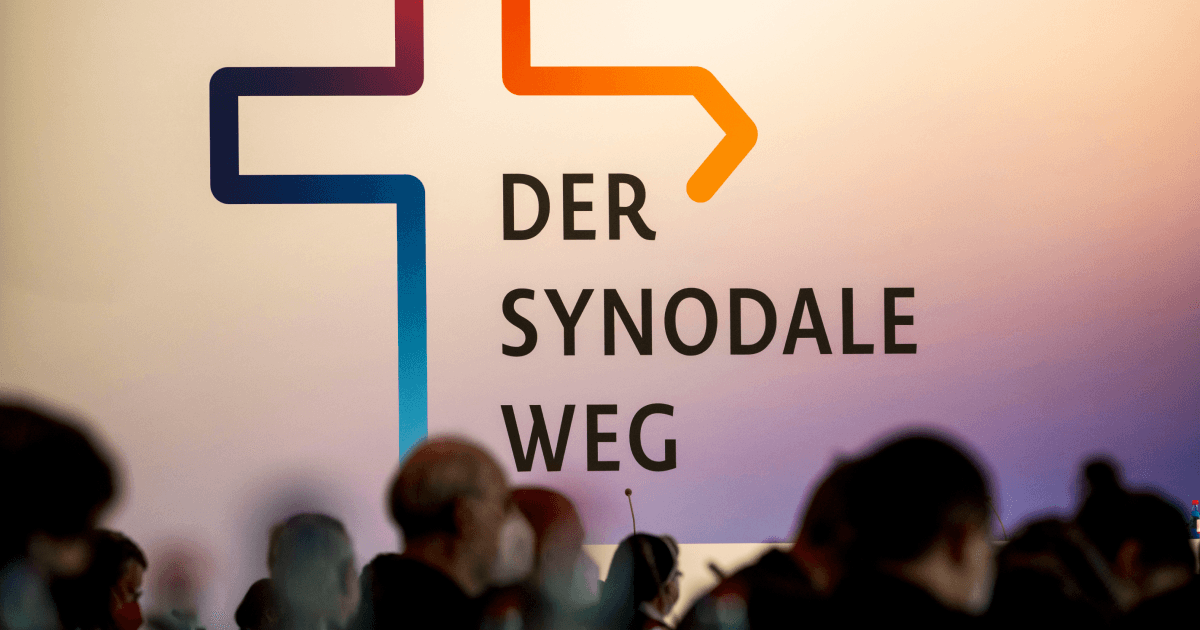
There is also the question of how to deal with the entity of “synodality” unleashed by his predecessor. It has spread through all levels of the Church like a virus that paralyses everything it touches, sending people and ecclesiastical structures into a spiral of self-serving process that has the effect of neutering both the mission of the Church and the particular ministry of the hierarchy instituted to serve and propagate it. Refreshingly, the Holy Father often speaks about the mission of the Church to bring the Good News of Jesus Christ to all people. Perhaps it is time to speak of this evangelical imperative a good deal more – and thereby to leave “synodality” and all its works and empty promises quietly behind.

And there is the lingering issue of Traditionis Custodes, the scandalous falsification of the advice of the world’s bishops on the wisdom of restricting the use of the older liturgical rites, and of its brutal use to attack and destroy many faithful and singularly fruitful Catholic communities that had grown up in the fertile soil of the liturgical peace so successfully promoted by Pope Benedict XVI. That pope took a good two years to legislate on the matter, and did so prudently and well after much prayer, thought and consultation. Pope Leo may well be doing the same, and rightly, though the open wound that Traditionis Custodes inflicted, and the pastoral damage to souls that continues to be wrought in its name, cry out for urgent redress.

That Traditionis Custodes remains in force – even as more and more bishops quietly ignore it – is, of course, a grave obstacle to any reconciliation with the Society of St Pius X, either as a whole or with groups or individuals currently belonging to it. When popes change the rules according to personal preferences or political pressures – as might any secular politician – who can be trusted? Principles, not positivist whims, must govern matters as fundamental and sacred as the worship of the Church and her sacraments, as Pope Benedict sought to enunciate in his letter to the bishops of July 7, 2007. If it is possible for the Holy Father to re-establish the rule of sound principles in respect of the sacred liturgy, he will have done very well indeed.

The question of how to facilitate a reconciliation with the Society of St Pius X is itself real. The posturing by both sides hitherto, the cold and somewhat clumsy application of sanctions following July 1, and the rather narrow path outlined for those who may wish to be reconciled do not augur well. It is difficult to reconcile the distant, legalistic response of the Holy See with the Gospel’s portrayal of the Good Shepherd or the teaching of the Parable of the Prodigal Son. The errant sons and wayward sheep seem to be being quite happily left to wander off on their own.

It is perhaps time to think “outside the box” in respect of this, as did Pope St John Paul II in 1988 with Ecclesia Dei adflicta, which opened doors and built bridges over which individuals and groups could return – bridges that were not manned by canonical policemen threatening penalties, but over which the father of the Prodigal Son looked, eager to embrace those who sought to come home.

It may even be appropriate for the Holy Father to delegate a senior and experienced cardinal, perhaps assisted by another bishop or two, to foster such reconciliation. Perhaps a special dicastery or other organ of the Holy See needs to be established in order to give such a delegate sufficient standing and authority to work effectively; or perhaps there are other means. If the Good Shepherd is given a face and a name, and can act with the Holy Father’s confidence and authority, reconciliation could become a reality at which to rejoice rather than a theoretical possibility rejected in practice.

Then there are the forthcoming apostolic voyages, which are of no small importance, particularly when they will take the Holy Father into lands where the culture of death continues its cancerous destruction of civilisation as we know it. The Pope’s forthright defence of the sanctity of human life before the Spanish parliament earlier this year needs to be heard in many more countries. So too does his proclamation of the Good News of Jesus Christ.

The October meeting of the presidents of the episcopal conferences on the 10th anniversary of Amoris Laetitia is also crucial. As well as celebrating all that is good in this document, its not-so-subtle erosion, in its pastoral application, of the sanctity of Christian marriage and of the nature of the Blessed Eucharist is an issue that also demands clarification, if not courageous correction. The matters at stake are simply too important.

We most certainly hope that the Holy Father has had a very good rest. As he returns to work, we owe him the renewed support of our prayers, not only that he will have the courage and wisdom necessary to deal with these and all the other matters that arrive on his desk, but also that Almighty God shall, in His Providence, show him where to find collaborators who can assist him faithfully in his particular ministry of promoting unity and confirming his brethren in the faith. It is the Pope who must govern, but let us not fail to do our part in supporting him with our prayers.

Dom Alcuin Reid is the Prior of the Monastère Saint-Benoît in Brignoles, France.

Continue reading with a free account

Create a free account to read up to five articles each month
Create free account

You have # free articles remaining this month.

Subscribe to get unlimited access.
Sign up

subscribe to the catholic herald today

Our best content is exclusively available to our subscribers. Subscribe today and gain instant access to expert analysis, in-depth articles, and thought-provoking insights—anytime, anywhere. Don’t miss out on the conversations that matter most.
Subscribe