


September 10, 2026

Bishop Barron calls for a return to civil dialogue in memory of Charlie Kirk

Christine Rousselle
More
Related
Min read
share

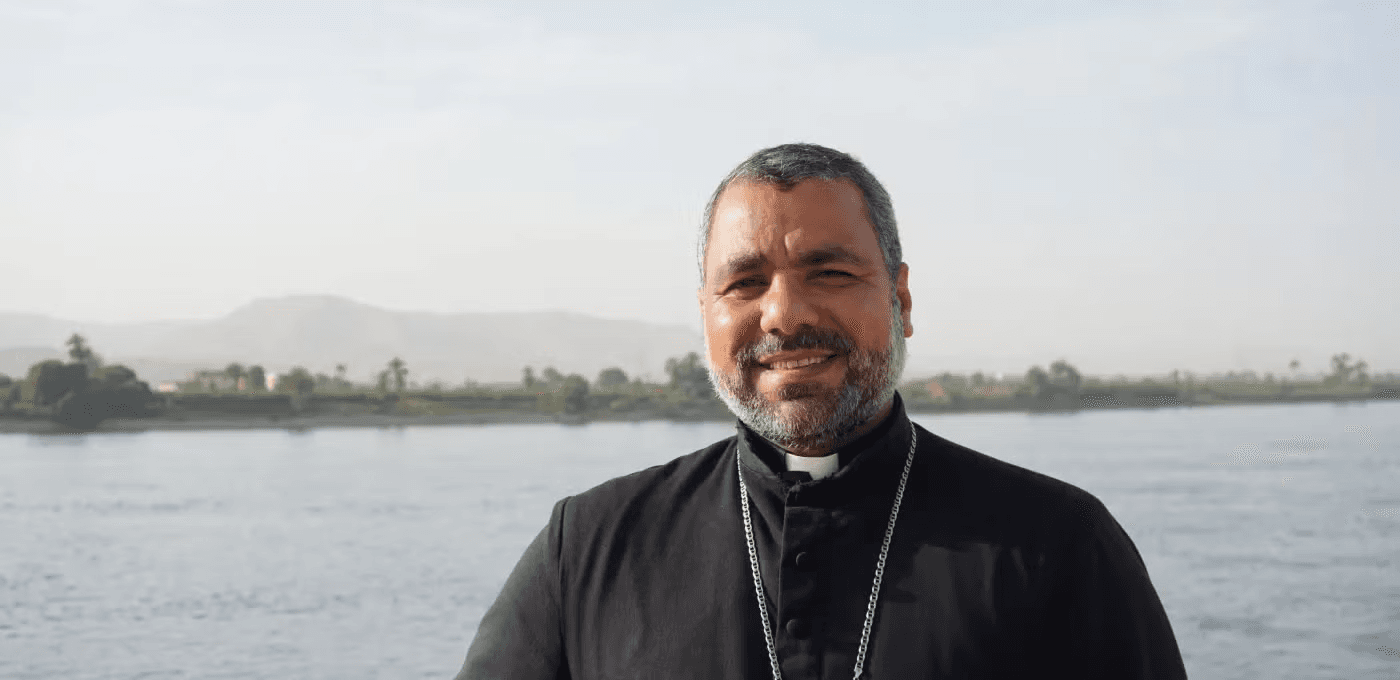
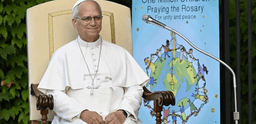
Bishop Robert Barron remembered Charlie Kirk and asked people to pray for the repose of his soul and for his wife and children in a video posted on the anniversary of his assassination.

“I’m coming to you on this somber anniversary of the brutal murder of Charlie Kirk just a year ago, though it’s funny in a way it seems much longer ago, in a way it seems like it just happened yesterday, but one year ago today,” said Bishop Barron of Winona-Rochester, Minnesota, in a video posted to social media on Thursday. “So I’m here to urge you, first of all, to pray for him, pray for the repose of his soul.”
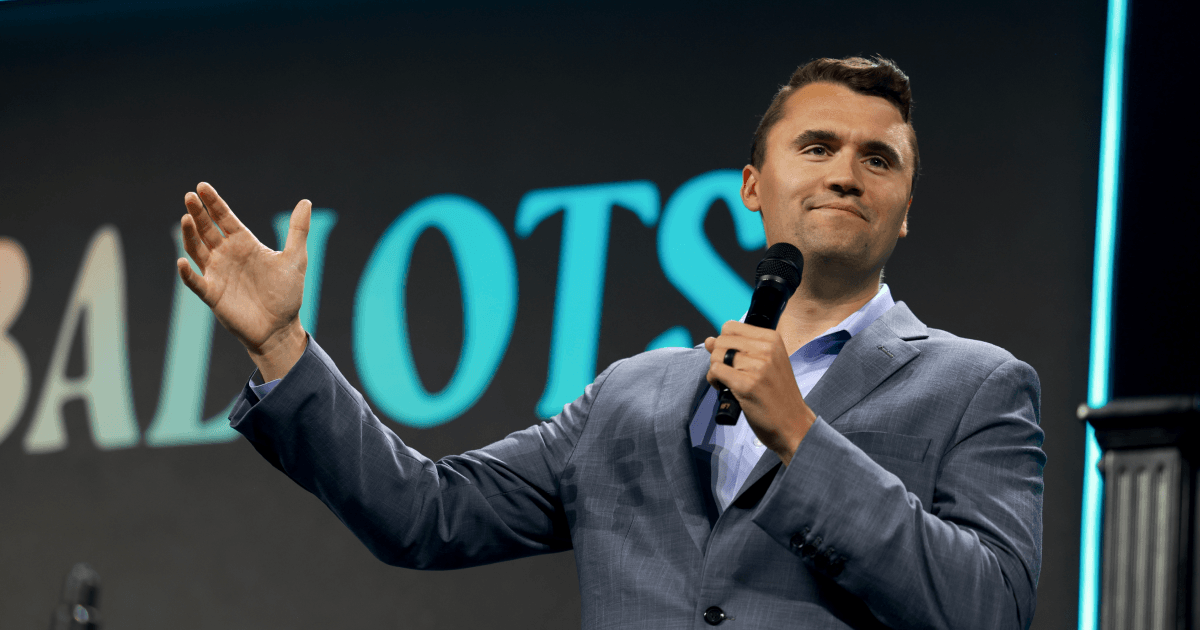
Kirk, co-founder of the political organisation Turning Point USA and host of the podcast The Charlie Kirk Show, was shot and killed on September 10, 2025, while speaking at Utah Valley University in Orem, Utah.

Shortly after his death, Bishop Barron revealed that Kirk was booked as a guest on his podcast, “Bishop Barron Presents”, the following week.

Kirk’s death on a college campus during a speaking event, said Bishop Barron, was “a supreme irony”.

“Very often when he was on college campuses, people would say, ‘What are you doing here? Why are you having these events?’ His answer was always the same. It was because when people stop talking to each other, bad things happen,” noted Bishop Barron.

One of the bad things that Kirk predicted would happen, recalled Bishop Barron, was violence over political differences.

“As I said a year ago in a sermon I gave, he died with a microphone in his hand, not with a gun or a knife or a weapon. He died with an instrument of communication in his hand. That’s what he stood for, was open, honest, public dialogue,” said Bishop Barron. “And he felt, and he was right, that when that breaks down, then violence tends to break out.”

Kirk being the victim of political-based violence was a “supreme irony of supreme sadness”.

Engaging in public dialogue, said Bishop Barron, requires “a deep respect for the individual”, as well as a “shared epistemic framework”, which he described as “some shared field of meaning”.

“And if we have that in common, we can really have a conversation and not just an imposition of each other’s wills,” he said.

A belief in God, said Bishop Barron, is a condition for the possibility of these two factors.

“It’s because I believe in God that I believe everyone is worthy of dignity. Because I believe in God, I know there’s an objective intelligible order to the world,” he said.

Kirk, said Bishop Barron, “understood that, which is why he talked about politics and culture, indeed. But above all, he talked about God.”

Bishop Barron called the public reaction to Kirk’s death last year “one of the ugliest things” he has seen in all his years of having a public-facing ministry.

The people celebrating Kirk’s death were not limited to “a few weirdos on the extreme”.

“We had teachers and professors and people in the mainstream culture exalting in the brutal murder of a young husband and father of young children,” said Bishop Barron. He noted there were rumours of another celebration of Kirk’s death on its first anniversary.

“All I can say is shame on you and shame on whatever it is in our culture that gives rise to that kind of brutal behaviour,” he said.

Bishop Barron further condemned the treatment of Kirk’s widow, Erika Kirk, noting “the way [she] had been treated by certain people in the public sphere is beneath contempt”.

“And to those folks too, I say shame on you. The way this woman who’s been brought through this horrific ordeal and to have her publicly attacked, I mean it’s just beyond criticism,” he said. He asked people to pray for Erika Kirk and her two young children.

On the anniversary of his death, Bishop Barron called for people to rededicate themselves “to what he was dedicated to: public, open, honest communication”, and a commitment to non-violent conflict resolution.

“If we lose that, we lose really what’s best in the American political experiment.”

Continue reading with a free account

Create a free account to read up to five articles each month
Create free account

You have # free articles remaining this month.

Subscribe to get unlimited access.
Sign up

subscribe to the catholic herald today

Our best content is exclusively available to our subscribers. Subscribe today and gain instant access to expert analysis, in-depth articles, and thought-provoking insights—anytime, anywhere. Don’t miss out on the conversations that matter most.
Subscribe