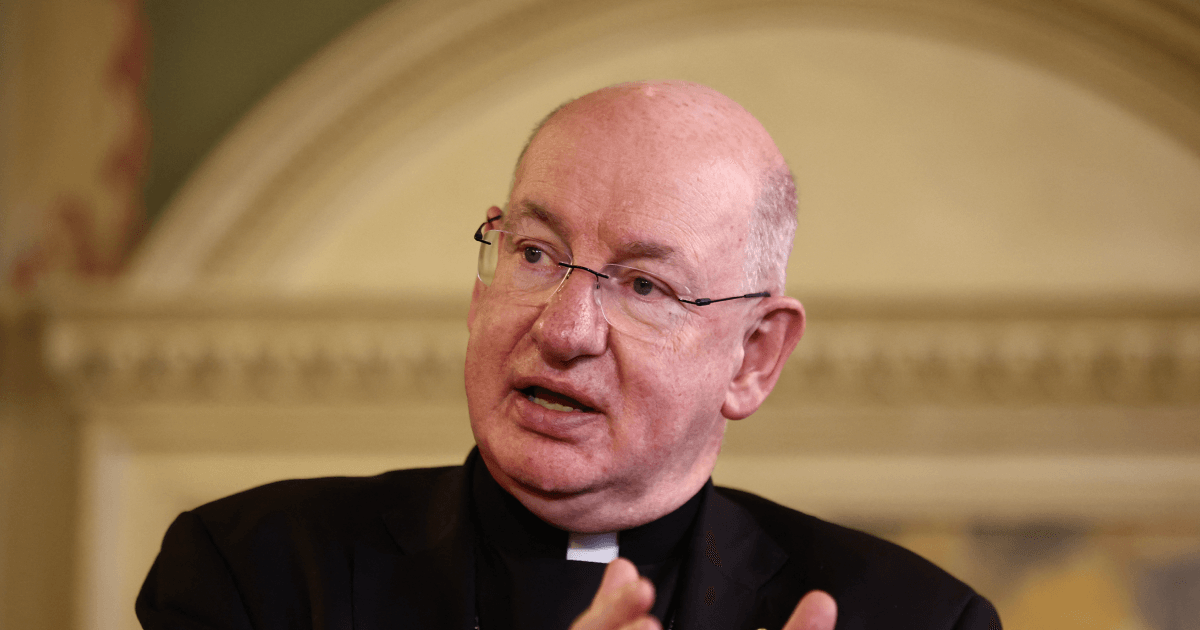
The bishops of England and Wales have made a final appeal for MPs to reject the Terminally Ill Adults (End of Life) Bill ahead of its second reading and vote on September 11. Archbishop Richard Moth of Westminster said the Bill, if passed, “could lead to vulnerable people feeling pressured into ending their lives”.
The proposed law, introduced by MP for Rochester and Strood Lauren Edwards, would legalise assisted suicide for people aged 18 and over who are expected to die within six months.
Calling the Bill “wrong in principle” and “deeply flawed”, Archbishop Moth said it undermined freedom of conscience for medical professionals and care workers. “Many professional bodies argued against this Bill, including the Royal College of Psychiatrists and the Royal College of Physicians. Disability rights groups remain highly concerned and consider it to be dangerous,” he said.
“The inadequate and uneven provision of palliative care across the country has been recognised during this debate, even by the prime minister. To genuinely help the terminally ill we need an improvement in compassionate, high-quality palliative care, and proper hospice funding. I urge MPs to prevent this flawed Bill from succeeding.”
In a September 10 statement, Archbishop John Sherrington of Liverpool called the vote a “really urgent matter”. He expressed his concern for vulnerable people and noted the concerns expressed by those living with disabilities, as well as fears surrounding coercion if assisted suicide is introduced.
“I’m also very concerned that this Bill does not include an opt-out clause that would permit Catholic nursing homes, hospices, and others to be able to opt out of this legislation. If they cannot opt out, they may have to close. They have always provided really good and important spiritual pastoral care at the end of life,” he said.
A previous near-identical Bill, introduced by MP for Spen Valley Kim Leadbeater, fell in the House of Lords in April. It had received the support of the then Prime Minister Keir Starmer and passed two votes in the House of Commons, although with a narrowing majority in the second vote.
Prime Minister Andy Burnham announced last month that he would not take part in the vote, though had previously expressed concerns that the vote came before addressing issues surrounding funding for palliative care.
Bishop Philip Egan of Portsmouth also noted the lack of a conscience clause in the Bill for a medic who is morally opposed to assisted suicide. “But the very principle of assisting someone to take their own life is abominable,” he said.
“Thou shalt not kill and love thy neighbour as thyself are commandments fundamental not only to Jewish and Christian morality, but to all world religions. They are instinctive principles in every human heart, and they ground the laws governing every civilised society on earth.”
He continued: “Assisted suicide would put huge pressure on the dying, the elderly, and the most vulnerable. It would tempt them to feel they are a burden, an inconvenience, a drain on the NHS. In Britain, what we need is better palliative care. Britain already leads the way on this, yet to legalise assisted suicide would completely undermine palliative care and the work of care homes.”
He cited the tendency in countries which introduce assisted suicide to expand eligibility from those who suffer from a terminal illness to include those with mental illness, babies with health conditions, and disabled people.
“No government in the world can stop this. In Canada already, more than 5 per cent of deaths are by lethal injection,” he said.
“I urge you, pray and work for the defeat of this Bill. Pray and work for better palliative care and a new love and respect for the elderly in our society; pray and work, support and befriend those in the autumn of life so that no one feels they are of little value or a drain on their family and friends.”
Bishop Stephen Wright of Hexham and Newcastle joined Bishop Egan in urging Catholics to contact their MPs to ask them to oppose the Bill.
“Morals and ethics aside, it’s a bad Bill. It fails to provide safeguards to the most vulnerable in society. This Bill is not necessary and it is wrong,” he said.
“Life is a gift from God. Every person is made in the image and likeness of God, and every person, no matter what their position in life is or whatever they may be going through, has a God-given dignity that must be respected. It’s not for human beings to kill one another in any context.”