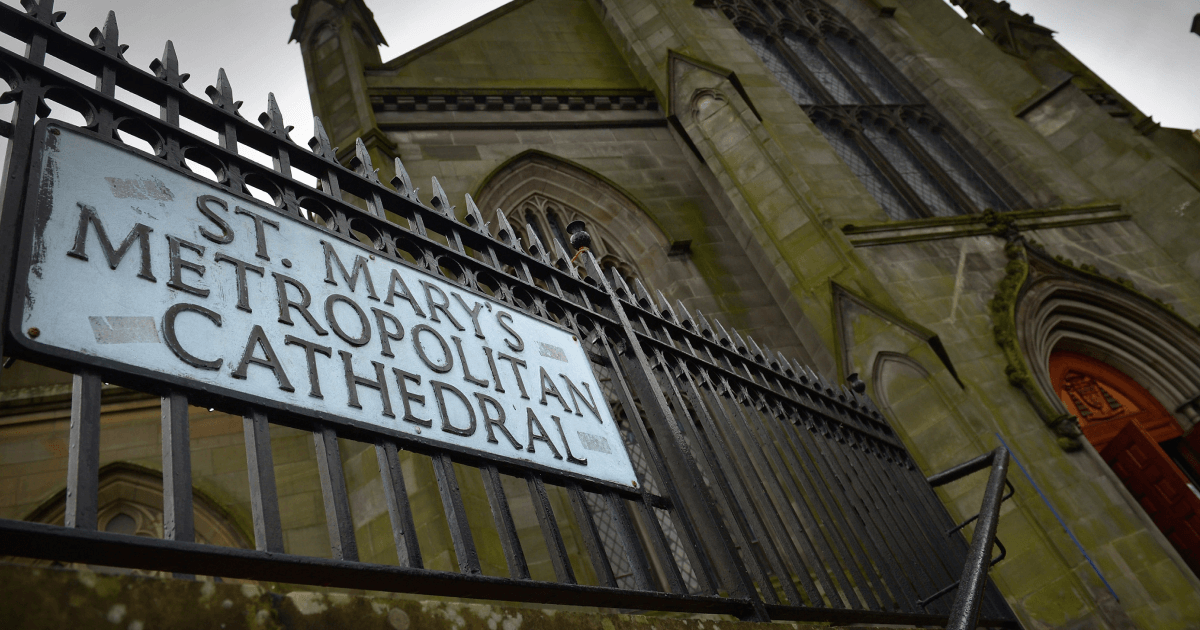



The bishops of Scotland have welcomed a new £1 million fund that will support the country’s listed places of worship. The pilot scheme was developed in response to the closure of the previous UK-wide Listed Places of Worship Grant Scheme earlier this year, which the Bishops’ Conference of Scotland said sent “shockwaves throughout faith communities”.
President of the Bishops' Conference of Scotland Bishop John Keenan of Paisley said the fund recognised “the vital contribution that churches and other places of worship make to Scotland's heritage and community life”.

Bishop Keenan said: “The fund will provide much-needed support for the care and conservation of these important buildings, helping to address the loss of the previous UK-wide scheme. We look forward to engaging constructively with Historic Environment Scotland and the Scottish Government as the pilot progresses and to discussions on establishing a permanent, sustainable funding arrangement for the future.”
The Scotland’s Places of Worship Fund, made available through the existing Historic Environment Scotland (HES) grants budget, will help assess demand for the scheme in Scotland and provide evidence to inform any potential future funding arrangements. It is intended to support eligible listed places of worship to recover VAT costs associated with repair works.
Katerina Brown, chief executive officer at HES, said places of worship formed an important part of Scotland’s “shared heritage” which “contribute significantly to the character of towns, villages and cities across the country, and many continue to play a central role within their local communities”.
She said: “By supporting early intervention and ongoing maintenance, the fund will help protect historic buildings, sustain traditional skills and support the long-term resilience of significant heritage assets across Scotland.
Brown continued: “The experience and evidence gathered through the pilot will help inform discussions on any potential future delivery arrangements."
Cabinet Secretary for Education, Culture and Gaelic Màiri McAllan echoed Brown, stating that historic places of worship are religious centres, landmarks, community hubs and “a lifeline for those in need”.
She said: "This new fund will help care for these important buildings and keep them at the heart of community life, since VAT charges on essential repair work can act as a barrier to investment in historic buildings. It shows our ongoing commitment to Scotland's cultural heritage, and I am glad we have been able to work with Historic Environment Scotland to plug the gap left by the UK Government’s withdrawal of this vital support.”
Religious leaders are encouraging eligible parishes and communities to consider applying when the fund opens for applications later this year. The Rt Rev Gordon Kennedy, Moderator of the General Assembly of the Church of Scotland, noted the challenges communities face when losing places of worship and that the grant would make it “just a wee bit easier” for volunteers to care for the buildings.
The new fund will be open to eligible listed places of worship from all faiths and denominations across Scotland. Guidance and application information are being developed in consultation with faith groups and sector stakeholders before launch. More information on eligibility, application requirements and opening dates will be published on the HES website ahead of the launch of the scheme at the start of October 2026.
Susan O'Connor, head of grants at HES, said that organisations which are eligible for the Scotland’s Places of Worship Fund may also be able to access support through HES’ Historic Environment Grants, and encouraged congregations planning repair and conservation work to make use of available support.
“We look forward to consulting with representatives from places of worship across Scotland in the coming weeks to help shape a fund that supports the care of these important historic buildings and responds to the needs of the diverse communities that use, value and maintain them,” she said.