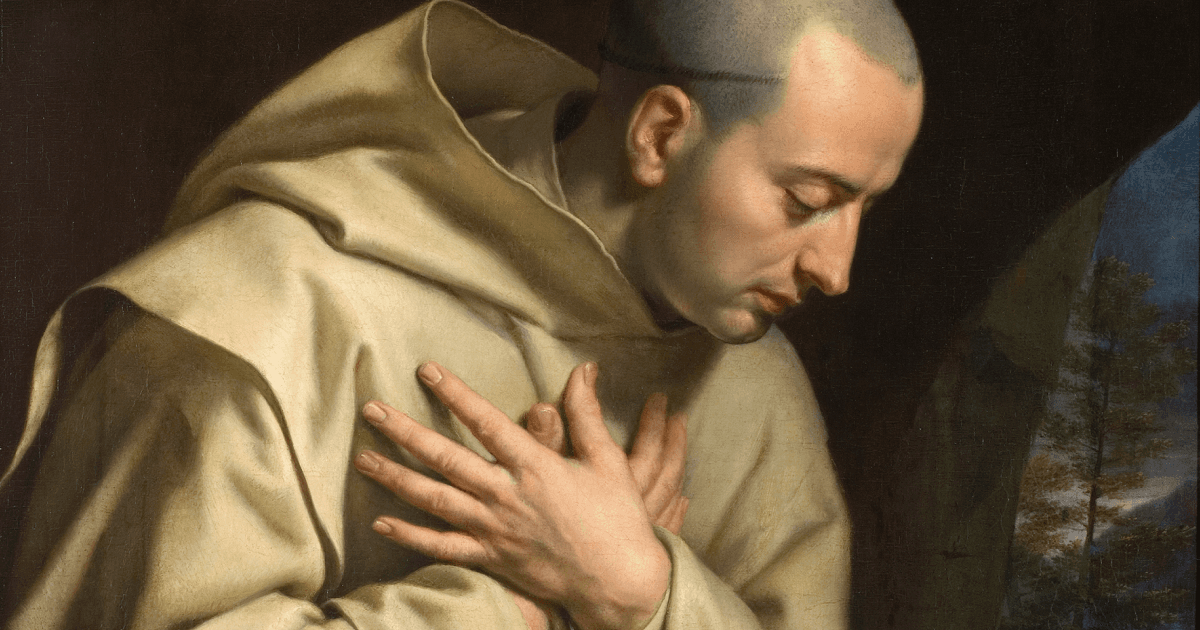

The week begins with the feast of St Bartholomew, the Apostle traditionally identified with Nathanael in the Gospel for the day (John 1:45-51). It was to him that Philip issued the invitation: “Come and see.” He it was who, on being called by Jesus, made the confession of faith: “Rabbi, you are the Son of God! You are the King of Israel!” The meditation for this day, by Fr Jacques Philippe of the Community of the Beatitudes, dwells on the gift of God’s call.
“Calling and gift are two complementary faces of the same reality: the act by which God infuses us with rich, abundant and fruitful life whose potential is unfolded by our free consent. Openness to the call is openness to the fullness of life. Not only natural, physical, emotional and intellectual life, but also the life realised through relationships, love, communion and, ultimately, participation in divine, supernatural life. Every call is a call to love more and find fulfilment by participating in the purity and ardour of divine love.”
Tuesday is the optional memorial of St Joseph Calasanz, who cared for plague victims in 16th-century Rome and founded the Piarist order to offer free education for children who would not otherwise receive it. He is the patron of Catholic schools. Several Gospel readings this week, from Matthew chapter 23, give us Our Lord’s severe admonitions against those who do not occupy themselves with the good of those in need.
Woe to you, scribes and Pharisees, hypocrites! For you tithe mint and dill and cumin, and have neglected the weightier matters of the law: justice and mercy and faithfulness. These you ought to have done, without neglecting the others. You blind guides, straining out a gnat and swallowing a camel! (Matthew 23:23-24)
The meditation for Tuesday, by Venerable Madeleine Delbrêl (see page 360), elaborates on this. “Purity is a love that is urgent, impatient; a love that invades us and allows nothing to hinder us. This is why its final assault will be at the hour of our death. It will make us get on this train that will carry us beyond ourselves … And the only thing that will count for us, the only thing that will be of interest to us, will be … the God who is waiting for us, the God whom we will see, when we have been brought to Him after the long patient purity of our life, by the radical purity of our death.”
Wednesday commemorates Blessed Dominic Barberi, who was instrumental in the conversion of St John Henry Newman. Later in the week, John Janaro’s Great Conversion Stories (page 401) relates the story of a lesser-known convert from the period of the English Catholic Revival, Sir Francis Burnand (1836–1917), who was for a time the editor of Punch and whose sense of humour elicited a smile even from the usually stern Cardinal Manning.
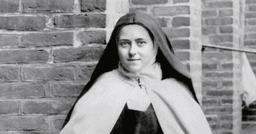
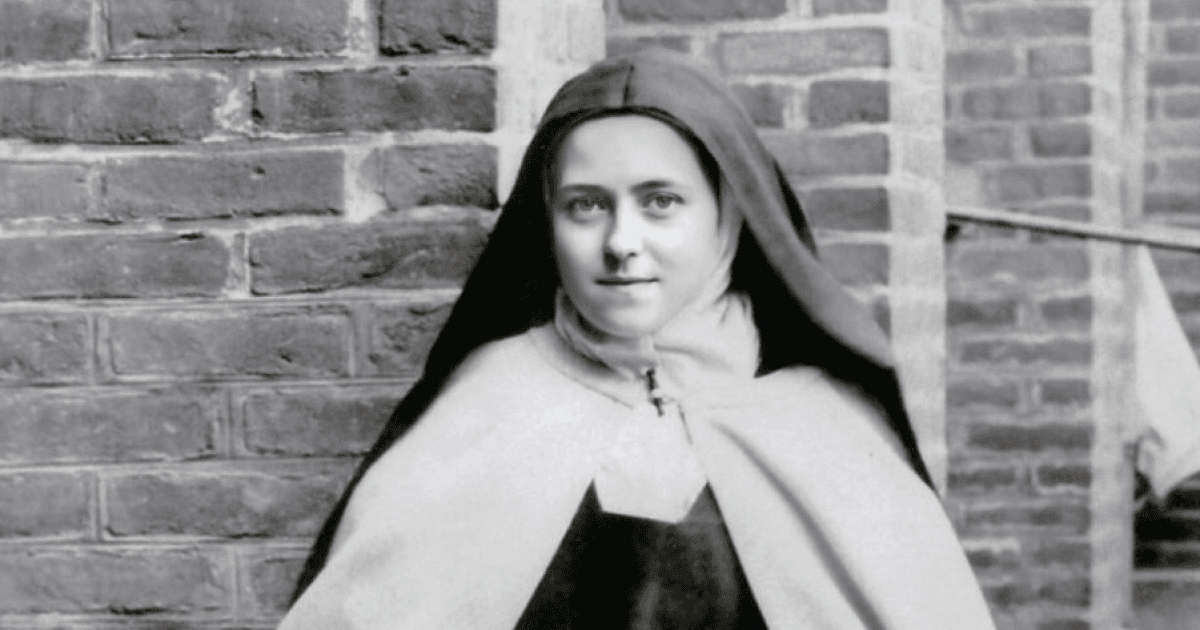
On Thursday and Friday we celebrate St Monica and her illustrious son, St Augustine, the Father of Grace. The first feast carries a lovely meditation by St Teresa of the Andes (see page 383). “Let’s love God madly, for He loved us in His eternity. Without needing us, His whole powerful work was done for humanity. He placed everything at our disposal. He continually sustains and nourishes us. And in order not to be separated from us in eternity, He gave us His only-begotten Son. God became a creature. He suffered and died for us. God made Himself nourishment for His creatures. Have you ever thought deeply about the infinite madness of this love?”
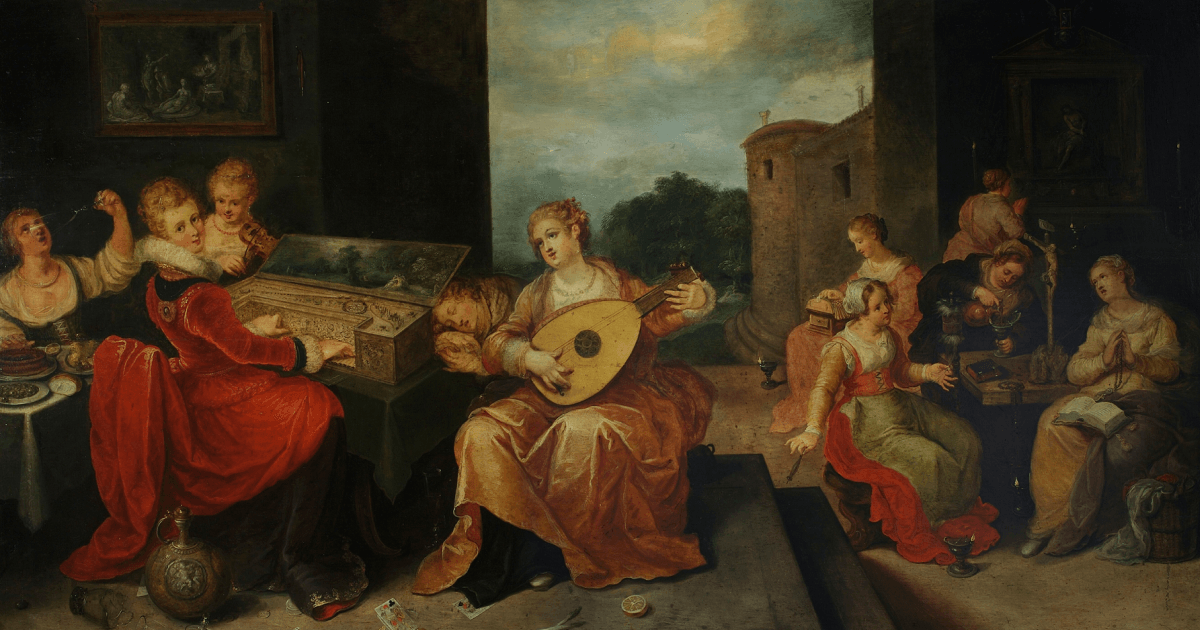
St Augustine did think deeply about this, as his commentary on the Gospel of the Wise Virgins (Matthew 25:1-13) attests (see page 395). “Even with these virgins and lamp-carriers, Jesus called some wise, others foolish. How do we tell which is which? By the oil. The oil stands for something tremendous… I think it’s charity that is signified by the oil. The apostle says, I now show you a yet more excellent way. What is the more excellent way he shows them? If I speak with the tongues of men and of angels, but do not have charity, I have become booming bronze, or clashing cymbals (1 Co 12:31–13:1). That is the more excellent way, namely charity, which is deservedly signified by oil … The foolish virgins didn’t carry oil with them; by their self-denial which earns them the name of virgins, and by their good works represented by the lamps they bring, they are intent on pleasing other people. And if they are intent on pleasing other people, and that’s why they do these admirable things, they are not carrying oil with them. So you, then, carry it with you, carry it inside, where God can see.”
One example of this was the 20th-century Jewish philosopher Edith Stein, whom we also know as the Carmelite saint Teresa Benedicta of the Cross (she is one of the saints in this month’s Saint Who series, see page 417). St Teresa Benedicta had an intellect that matched that of St Augustine. She has been proposed as a potential Doctor of the Church for the profound wisdom of her writing. But her most eloquent testimony is the martyrdom she suffered on behalf of her people.
On Saturday we celebrate the feast of the original martyr, St John the Baptist. “Life,” as Pope Francis once preached on this feast, “has value only in giving it, in giving it in love, in truth, in giving it to others, in daily life, in the family.” It is not always easy to accept this fully, and Sunday’s Gospel reminds us that even the first pope could take a moment to get things straight.
At that time: Jesus began to show his disciples that he must go to Jerusalem and suffer many things from the elders and chief priests and scribes, and be killed, and on the third day be raised. And Peter took him aside and began to rebuke him, saying, “Far be it from you, Lord! This shall never happen to you.” But he turned and said to Peter, “Get behind me, Satan! You are a hindrance to me. For you are not setting your mind on the things of God, but on the things of man.”
Then Jesus told his disciples, “If anyone would come after me, let him deny himself and take up his cross and follow me. For whoever would save his life will lose it, but whoever loses his life for my sake will find it. For what will it profit a man if he gains the whole world and forfeits his soul? Or what shall a man give in return for his soul? For the Son of Man is going to come with his angels in the glory of his Father, and then he will repay each person according to what he has done.” (Matthew 16:21-27)
Magnificat is a spiritual guide to help you develop your prayer life, grow in your spiritual life, find a way to a more profound love for Christ, and participate in the holy Mass with greater fervour. If you are in the UK, you can subscribe here.