


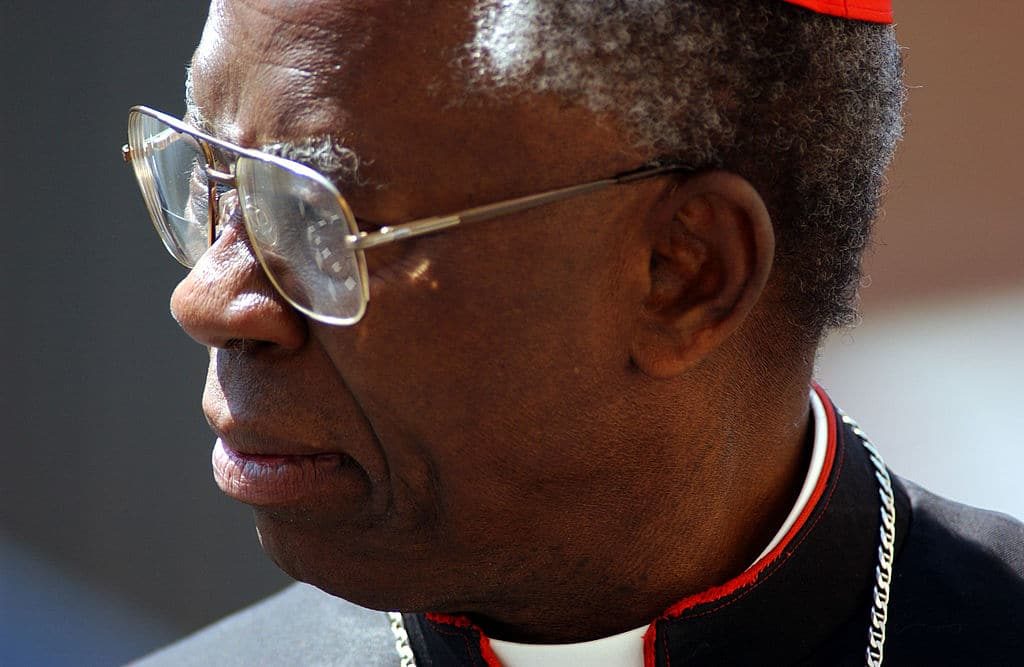
Cardinal Francis Arinze, whom Simon Caldwell interviews in this magazine, carries particular authority in the Church. He is almost 90, and his age gives him a valuably long perspective on events. He was made a bishop in time to attend the last session of the Second Vatican Council when Apostolicam Actuositatem, the decree concerning the apostolic mission of laypeople, was finalised. He was Prefect of the Congregation for Divine Worship and the Discipline of the Sacraments under two popes. So we should take him seriously when he emphasises both the importance of the vocation of laypeople in the Church and the problems that have attended one particular exercise in consulting the laity, the German Synodal Way. That process has resulted in recommendations for the abolition of clerical celibacy, the ordination of women and the abandonment of aspects of Church teaching on sexuality. He signed the open letter from a number of bishops taking issue with their German brethren. He also rejects the claims of two European cardinals that Catholic moral teachings are negotiable or even false, and with the assertion of one of them that the teachings of the Church are “not set in stone”. “It is not wise for a Catholic bishop or priest or, worse, a cardinal, to suggest that,” Cardinal Arinze says. “If the cardinal who said that was thinking about homosexuality, he cannot be supported at all.”
12:40 PM
Cardinal Arinze upholds the values of Church teaching
The Catholic Herald

2 min read



Already a subscriber? Sign in
5freearticles every month
Continue reading with a free account. No card needed.
- Five free articles every thirty days, on any device you sign in on
- The Catholic Herald newsletter, every morning
- Subscribe whenever you like for everything: every article and the magazine



subscribe to the catholic herald today
Our best content is exclusively available to our subscribers. Subscribe today and gain instant access to expert analysis, in-depth articles, and thought-provoking insights—anytime, anywhere. Don’t miss out on the conversations that matter most.
Subscribe



