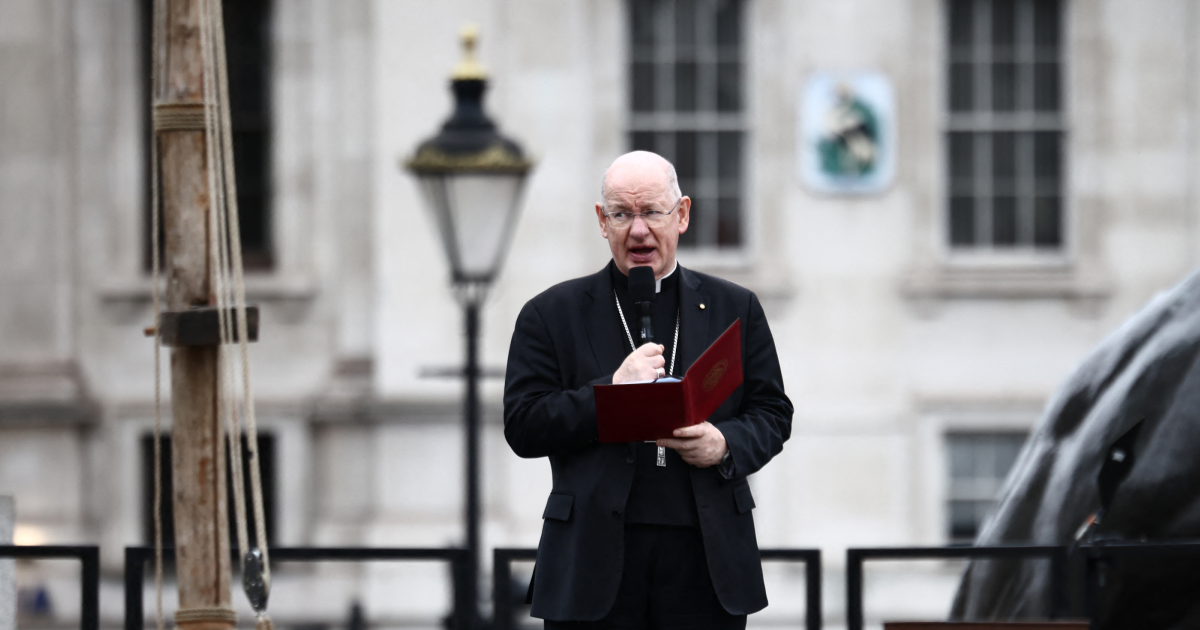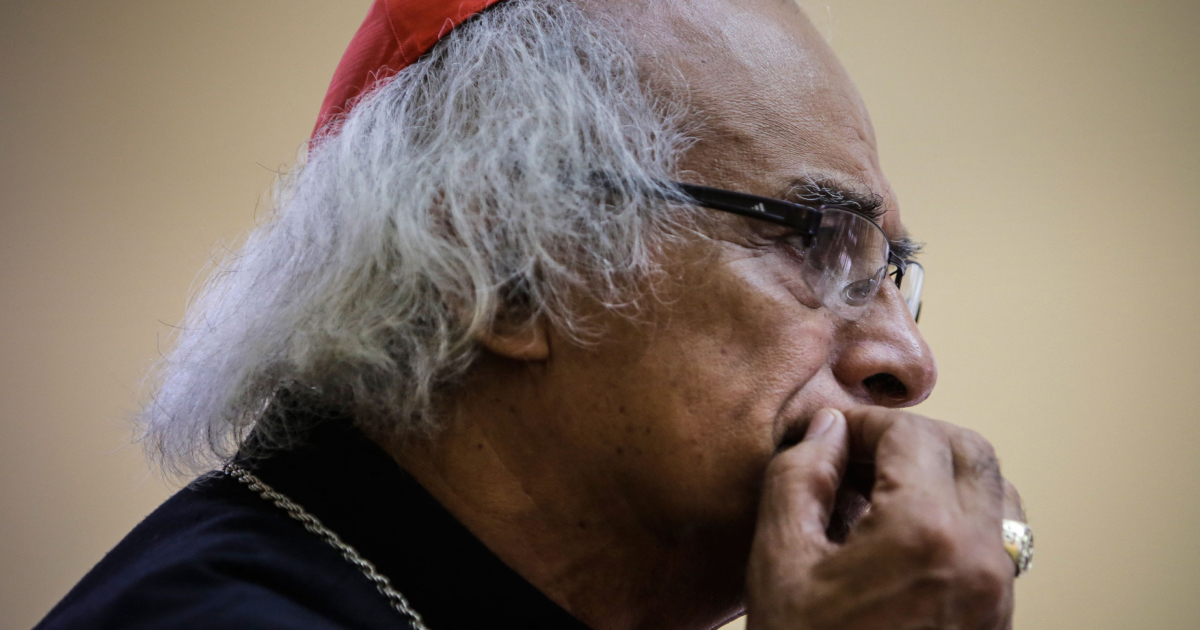


The absence of Cardinal Leopoldo Brenes, Archbishop of Managua at this months extraordinary consistory raised questions amongst Catholics. The 76-year-old cardinal, the only member of the College of Cardinals from Nicaragua, said he had checked all normal channels of communication without finding any summons from the Vatican. “I won’t be there. They didn’t call me. I checked my email and WhatsApp. Nothing,” he told Vos TV on 5 January, shortly before the consistory opened.
His absence from the first extraordinary consistory convened by Pope Leo XIV drew attention both in Nicaragua and in Rome. According to canon 353 of the Code of Canon Law, ordinary consistories are usually attended by cardinals present in Rome and are held for consultation with the Pope and for acts of particular solemnity. Extraordinary consistories, by contrast, require the presence of cardinals from across the global Church, as “all Cardinals are summoned to an extraordinary Consistory, which takes place when the special needs of the Church and more serious matters suggest it”.
The absence of Cardinal Brenes was widely remarked upon, as he remains a cardinal elector. Accounts of why he did not travel to Rome have differed. On 8 January, senior Church sources told the Nicaraguan news outlet LaPrensaNi.com that the cardinal had in fact received an invitation to attend the consistory but had chosen not to go, for reasons that were not disclosed.
Sources have told the Catholic Herald that Cardinal Leopoldo Brenes did not attend the extraordinary consistory because he was directly barred from travelling by the Nicaraguan state, according to those with direct knowledge of the situation. The decision is understood to be linked to the continuing persecution of the Catholic Church in Nicaragua, where Church leaders remain subject to surveillance, restrictions on movement, and punitive measures by the authorities.
This account was corroborated by The Pillar, which reported that one of its sources had said: “It’s more likely that he was invited but was not allowed to leave the country by the regime, but he won’t say so in government-controlled national media.”
According to La Prensa, it is likely that Cardinal Brenes is in the middle of negotiating an agreement with the regime regarding the current situation of the Church in the country. Relations between the Catholic Church and the Nicaraguan government have been deeply strained in recent years. The Church has faced sustained confrontation with the administration of President Daniel Ortega, with reports of persecution, restrictions on religious activity, and the forced exile of several bishops and priests. A number of Church leaders have either been expelled from the country or prevented from returning after travelling abroad.
At the beginning of the year, the ruling Sandinista National Liberation Front released a document entitled General Guidelines for 2026, which stated that the government’s relationship “with the Churches must be one of mutual respect, each in its own sphere, without interference, meddling, or any desire to sow confusion, manipulation, or domination”.
The Vatican has not commented publicly on the matter, and the Holy See Press Office has issued no clarification regarding the list of cardinals invited to the consistory. As a result, uncertainty remains over whether Cardinal Brenes’ absence was the result of a misunderstanding, a personal decision, or external constraints connected to the situation in Nicaragua.
To understand the present crackdown, it is necessary to recall the Church’s complex role in Nicaragua’s modern history. During the Somoza dictatorship, which began in 1936 and saw three generations of the Somoza family rule the country, the Church initially gave its support. But systematic repression, human rights abuses, and even attacks on churches horrified the bishops. By the end of the dictatorship, when Anastasio Somoza Debayle authorised the bombing of cities in an effort to cling to power, the Church openly condemned the regime. Many Catholics then came to see the Sandinista revolution, named after the nationalist guerrilla Augusto César Sandino, as a necessary rupture with injustice. Since the revolution, with a notable break between 1990 and 2007, Daniel Ortega has led the country. His second period in power, from 2007 onwards, has been marked by increased authoritarianism, bringing the country into an effective dictatorship.
The revolution itself exposed deep divisions within the Church. Some clergy and theologians aligned themselves with liberation theology and the Sandinistas, seeing Marxist analysis as a tool for social transformation. Others, supported by Pope St John Paul II and a more conservative episcopal conference, warned that the Gospel could not be reduced to ideology. This internal struggle shaped the Church for decades and continues to influence debate within the Latin Church.
In recent years, persecution has intensified dramatically. Priests have been arrested, interrogated, and exiled. Bishop Rolando Álvarez of Matagalpa, a prominent critic of the regime, was detained and later expelled from the country in 2024. Catholic media outlets have been shuttered, charities closed, and religious orders expelled. In 2023, Nicaragua formally severed diplomatic ties with the Holy See and expelled the apostolic nuncio, Archbishop Waldemar Sommertag.
According to Aid to the Church in Need, Nicaragua became the Latin American country of greatest concern for religious persecution in 2022. At least 46 priests were arrested at some point in 2023, many of whom were later exiled. Holy Week processions, once a defining expression of popular Catholic faith, have been banned or reduced to symbolic gestures confined within church grounds.
The regime’s response to Church criticism of human rights abuses has been blunt repression. When churches opened their doors to demonstrators fleeing violence, the government accused clergy of collusion. One priest, speaking anonymously to Aid to the Church in Need, described rescuing protesters wounded by AK-47 fire after hospitals were ordered not to treat them. “During those days, the people on our church benches were not listening to the Gospel, they were living it,” he said.