


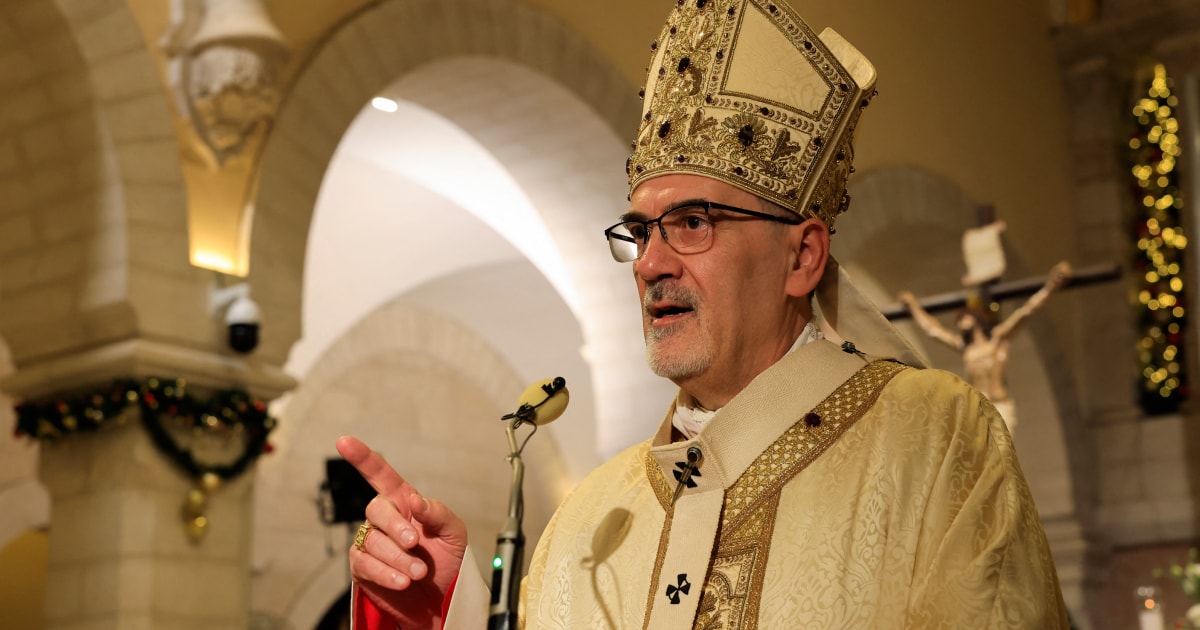
Cardinal Pierbattista Pizzaballa has said that Jerusalem is called not merely to endure the wounds of war, but to become an instrument of healing for a fractured world, as the Latin Patriarch of Jerusalem issued a new pastoral letter on the vocation of the Church in the Holy Land. The letter, published on April 27, reflects on the conflict that has engulfed the region since the Hamas attacks of October 7 and the war in Gaza, which Pizzaballa describes as a turning point that has closed one age and opened another “in the worst possible way”.
1:21 PM
Cardinal Pizzaballa says Jerusalem must answer war with healing
In a new pastoral letter, Cardinal Pizzaballa reflects on the Church’s vocation in the Holy Land amid war, mistrust and the collapse of shared life
The Catholic Herald

4 min read



Already a subscriber? Sign in
5freearticles every month
Continue reading with a free account. No card needed.
- Five free articles every thirty days, on any device you sign in on
- The Catholic Herald newsletter, every morning
- Subscribe whenever you like for everything: every article and the magazine
Related articles
 Newsroom
Marine Le Pen invokes St Joan of Arc in call for a ‘renaissance for France’
Addressing more than 8,000 people in Orléans, the National Rally candidate called for a return to French tradition and national identity ahead of the 2027 presidential election
Corrie Douglas-Young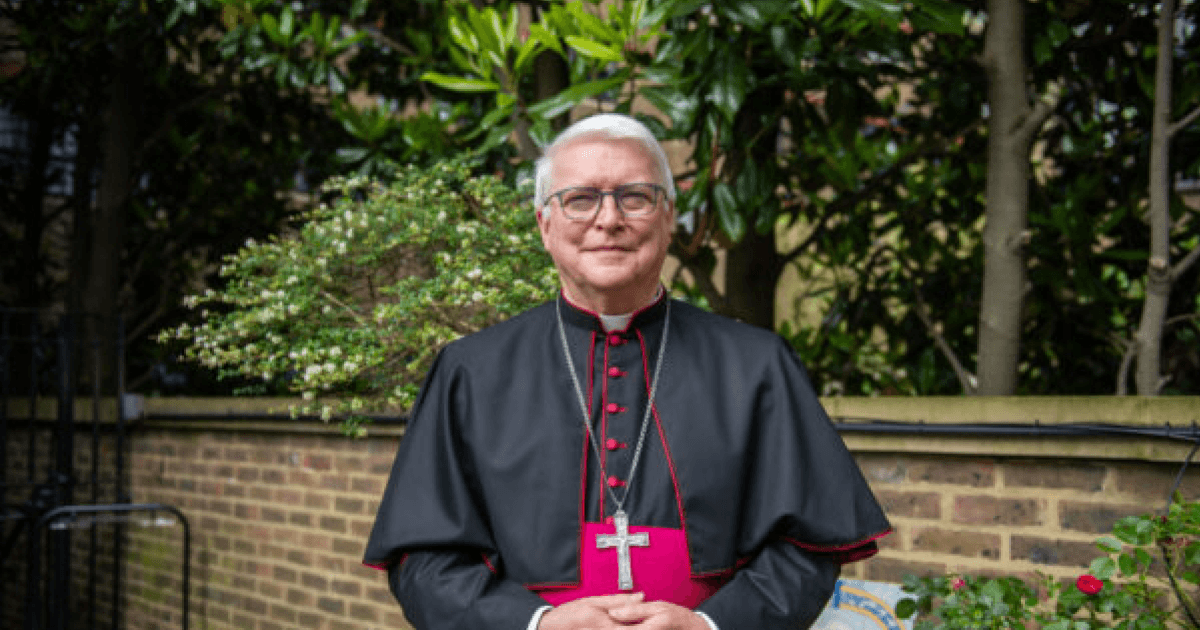 Newsroom
Bishop James Curry warns Catholics against indifference to religious persecution
Corrie Douglas-Young Newsroom
New York Archdiocese agrees to $800 million clergy abuse settlement
Christine Rousselle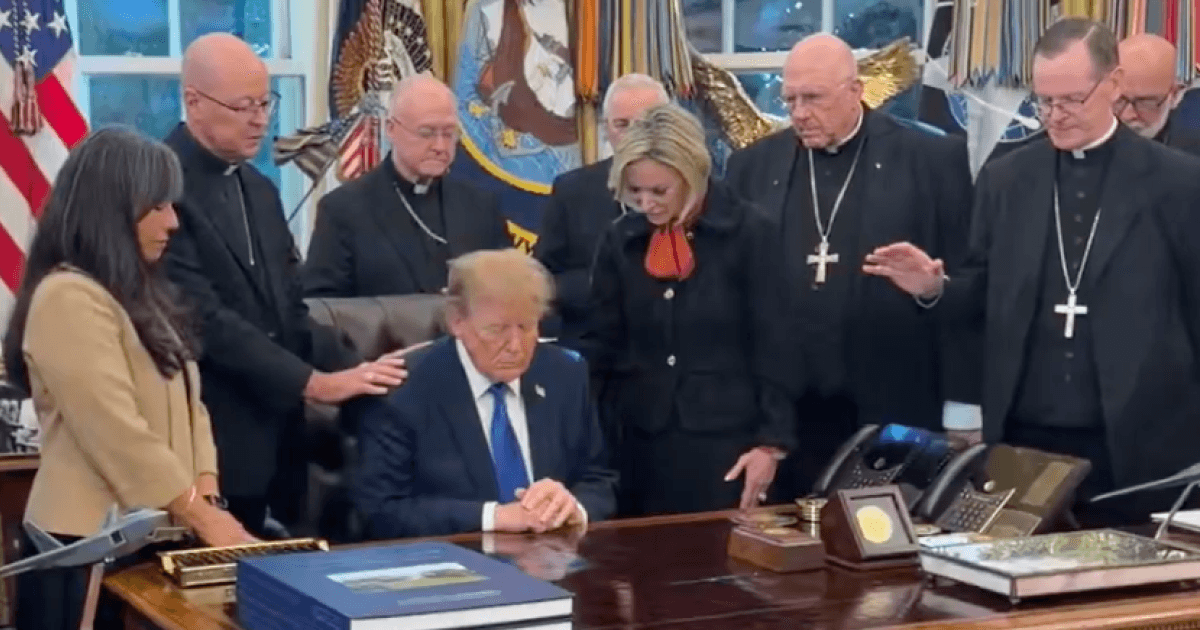 Newsroom
US bishops say White House exploited Oval Office prayer with Trump
Christine Rousselle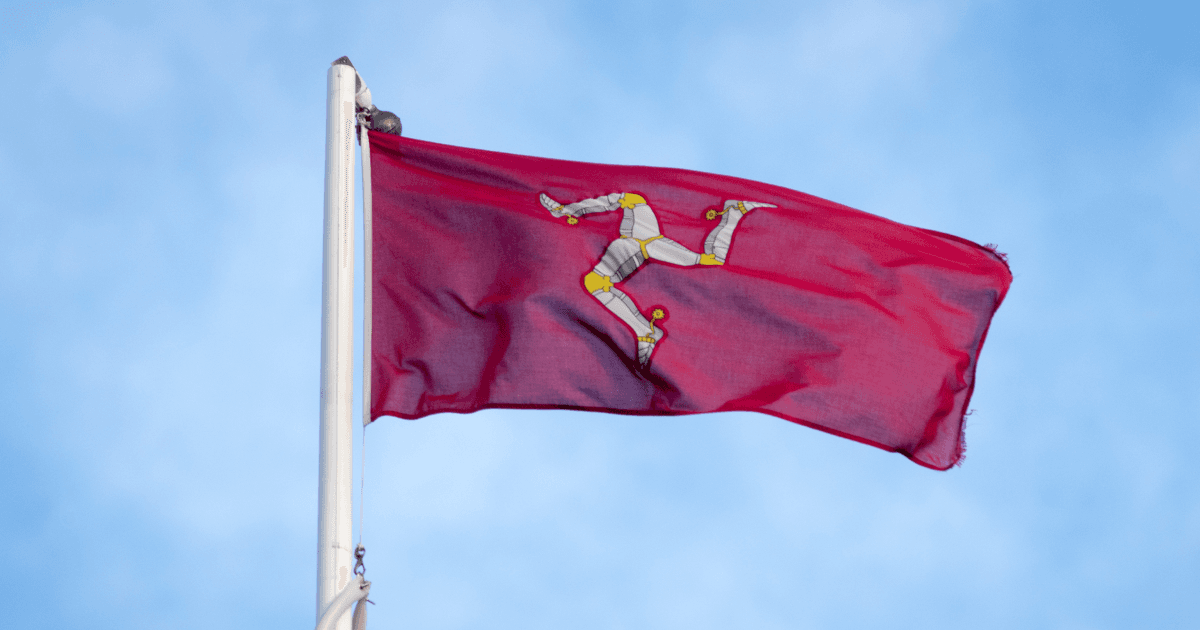 Newsroom
Isle of Man assisted suicide Bill receives Royal Assent as archbishop warns of ‘watershed’
Corrie Douglas-Young
subscribe to the catholic herald today
Our best content is exclusively available to our subscribers. Subscribe today and gain instant access to expert analysis, in-depth articles, and thought-provoking insights—anytime, anywhere. Don’t miss out on the conversations that matter most.
Subscribe



